
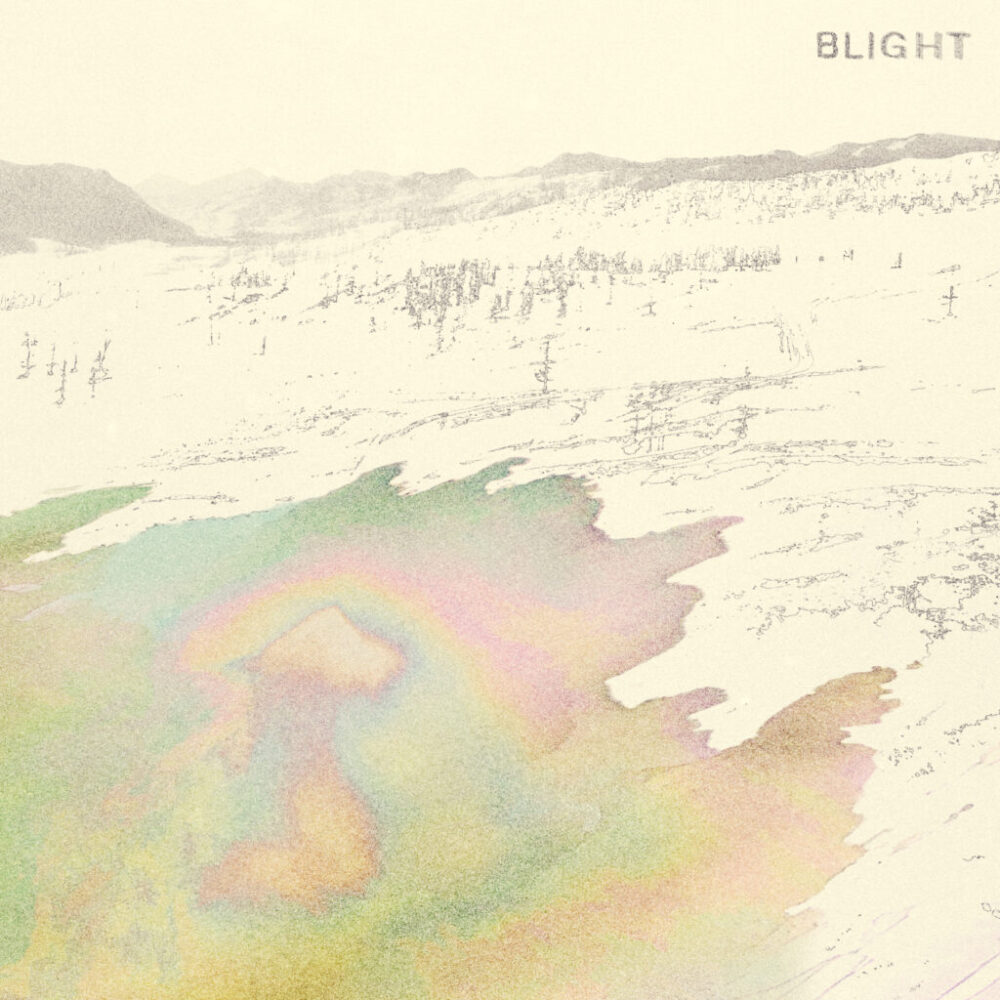
The Antlers – Blight (Transgressive) (13th Floor Album Review)
Blight…The Antlers first full-length album in four years, is resonant, evocative, and poignant.
Peter Silberman has stripped away metaphors to speak openly about the climate catastrophe. The album is rich with organic sounds, rhythms that echo the natural world, and instrumentation that feels powerful in its clarity.
Blight opens with a slow and intimate track: “set the table for an easy meal. I don’t mind what I can’t feel. Tired turkey in a crowded cage. He can’t peek, he can’t rage.” Consider The Source sets the scene with themes of ignorance, passivity, and desensitisation. Silberman’s harrowing falsetto underlines the tragic consequences that can unfold when a simple choice to look the other way dominates society.
The second track, Pour, carries a soothing guitar melody, gently plucked and steady in rhythm. It gives heart to an otherwise airy and minimal piece. Cymbals and synthesisers emerge in the second half, casting an eerie, almost dreamlike haze — a walk through a Japanese garden on a stormy day. “What we pour in the soil, whether poison or oil, will eventually spoil.” His lyrics capture the cyclical nature of human impact and urge us to reflect on our own choices. The instrumentation rises and falls like tides, while Silberman’s voice expands with a dreamlike weightlessness that leaves the piece feeling beautifully untethered.
Carnage, the album’s first single, is aptly titled. It speaks of the innocent harm humans cause without intention, born precisely from our lack of attention. Moving away from the natural textures of the previous tracks, Silberman crafts a soundscape of distortion and mutilation through layers of synthesiser. The song’s victims — “a toad, bird, snake and fawn” — evoke the quiet horror of “accidental damage, casually maimed, incidental carnage, collateral pain.” The clashing piano, drums, and electric guitar perfectly mimic the grotesque scenes, building to a tense and chaotic crescendo.
Silberman manipulates timing as he builds tension, clashing melody and harmony to portray the grotesque. “Toad hops out of the briar and underneath my spinning tyre. There he remains, emulsifier.” The piano’s delicate trimming of the harsh synthesiser suggests a resigned acceptance of the destruction. The bridge expands into broad, sustained guitar notes merging with crashing drums, as Silberman skilfully constructs a musical carnage.
The title track, Blight, deeply resonates with its fingerpicked guitar riff and muted drum. The melody is circular and gentle, like a lullaby. Silberman’s voice is understated, almost whisper-soft. The spotlight remains on the guitar until the rhythm accelerates, revealing bright arpeggios that breathe between phrases. “Caterpillars hatching, swinging on thread with fanatical spread…” he sings, tracing the exhausting yet necessary journey of growth. “Sleeping and sated, nesting on the bark, evolving in the dark, prepared to disembark.” It’s a song about endurance. Quiet, necessary evolution, even within decay.
Something In The Air feels like a chilling lullaby. Its melancholic stillness draws the listener into Silberman’s ungrounded, airy voice. Sparse piano notes fall like droplets, later adorned by trills and unexpected embellishments. The acoustic guitar anchors the piece, grounding its otherworldly drift.
In the final section, synthesiser and percussion swell to fill the deliberate emptiness, until a thunder-like resonance lingers longer than comfort allows. This gives the song an eerie, almost horror-like atmosphere. It would feel sweet and nostalgic if not for the melody’s sinister edge, carried by Silberman’s breathy, aching tone. The song closes hauntingly: “There’s something in the air today… thank God I wasn’t there today.”
Deactivate follows with a waltzing tempo and hypnotic, plucked guitar. For its first minute, the guitar commands full attention. “Abandon ship, reserve your seat, but if you transfer incomplete…” Silberman urges us not only to remember but to reckon with our history and take responsibility for what we leave behind. “Who will look after what we leave behind? Well-hidden waste, out of sight, out of mind.”
A Great Flood sounds like the score to an apocalyptic film. A trembling low frequency vibrates against hollow tones. Silberman’s distorted voice rises like a signal through the storm, punctuated by thunderous pauses that create deep suspense. “We were only children… faultless in our innocence, charming in our ignorance.” The track embodies the haunting weight of hindsight.
They Lost All of Us, the final track, is a stunning instrumental that begins in serenity. Birds and rain paint the soundscape. As it builds, explosions erupt through synthesisers, and the tranquil tide morphs into the roar of traffic. When the rain fades and the sound drops into silence, the metaphor is unmistakable: a stark, devastating reflection of the path humankind is walking.
Lexi Tuenter
Blight is out now on Transgressive Records
