
The Blasters – American Music/Non-Fiction (Liberation Hall) (13th Floor Reissue Review)
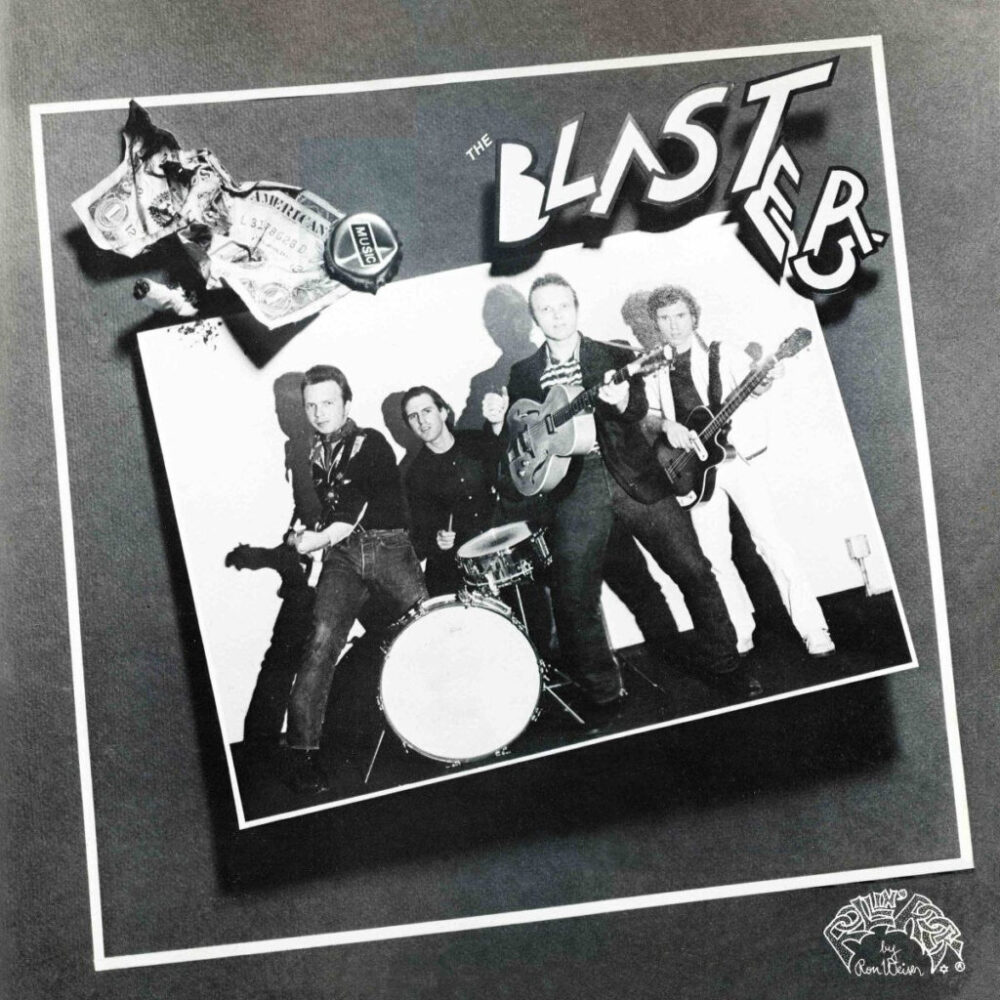
The Blasters pour the heart of Saturday night into every song on American Music, their vivacious 1980 debut, pressing against the corners of rockabilly, a genre that can easily be mistaken for a time capsule.
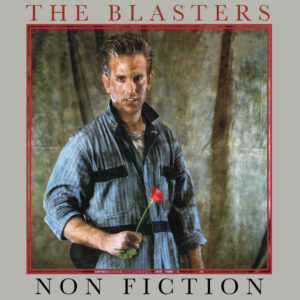
On the back of Liberation Hall’s lavish retrospective, American Music Story: The Complete Studio Recordings 1979-1985, released earlier this year for Record Store Day, the California band’s first two records – American Music and Non-Fiction (1983) – are now reissued individually on LP and CD with original packaging from their Rollin’ Rock Records heyday.
It’s worthy evidence for fans who feel The Blasters never got their due, and a welcome opportunity for the uninitiated to delve into a sound long credited with rejuvenating rock & roll with a jolt of cool at a time when it was seemingly a spent force, cowering under the heel of punk and new wave. I definitely count myself among the latter. My only previous experience with The Blasters is a brief sigh of admiration for the immaculate needle drop of Dark Night during the opening scene of From Dusk Till Dawn (1996). Its Spotify stream count would indicate it was a notable taster for many of us too young to love any band besides Kiss in the early 1980s and who were non-existent for the late-50s aesthetic The Blasters sought to revive and enliven.
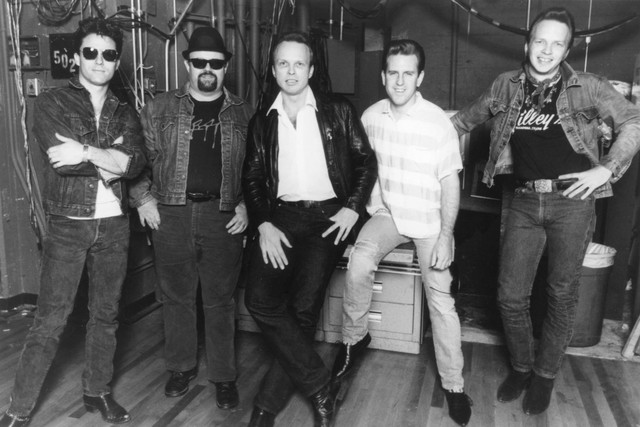
Tiring of the LA blues scene in the late 1970s, brothers Phil Alvin (vocals, guitar) and David Alvin (lead guitar), John Bazz (bass) and Bill Bateman (drums), set about adding a hard edge and a lot of swagger to their collective knowledge of American roots music. They produced a high-tempo rockabilly sound propelled by the clean, steely treble tones of Phil Alvin’s telecaster and his brother’s vibrant vocals, which oozed bravado. The Blasters played fast, they played tight, and you can tell they believed wholeheartedly in the joys of the rockabilly life they could enshrine into two-and-a-half-minute bites; the classy women, the classic cars, dancing to the beat, and letting the good times roll.
Whether you believe in them is crucial to how much American Music is to be enjoyed. This is a style of music tethered to an era so ceaselessly commodified it is a challenge to separate the music from brand America 1955-62. How do you identify and appreciate the genuine when your only experience is pastiche, be it American Graffiti, Happy Days, Grease, hot rod shows or any number of shitty retro diners in California?
The title track is an emphatic mission statement, a celebration of The Blasters’ musical influences, from “Louisiana boogie and the delta blues” to “country, swing and rockabilly, too”. But what I hear is an “oldies” tune that is a little rowdier than Johnny B. Goode but doesn’t threaten to push any boundaries. It makes me think of The Modern Lovers’ Roadrunner, a song that served a similar anthemic purpose, that came out four years earlier and was a more progressive nod to classic rock & roll.
Real Rock Drive, I Don’t Want To and Flat Top Joint have a stronger country flavour and are reminders of how influential Hank Willaims’ Move It On Over was on Rock Around The Clock and so much that followed. The bluesier songs, Barefoot Rock, I Wish You Could, and Barn Burning, carry more brawn, and I can begin to see how The Blasters came to perform on LA bills between punk and metal acts. Phil Alvin’s harmonica is both playful and a little menacing, complimenting his brother’s relentless guitar, while he proves an effective yodeller on the gassed-up crack at the Jimmie Rodgers standard, Never No More Blues. But the pick of the bunch is the gloriously infectious cover of The Hollywood Flames’ soulful and honey-sweet Buzz Buzz Buzz, where the harmonica takes on the guise of a lovestruck honeybee.
It’s astounding that this music was recorded in 1979 and not 1959, and that it was part of a bigger rockabilly revival. It would be remiss to not note Marie Marie, which somehow became a UK top 20 hit for Shakin’ Stevens later the same year, despite The Blasters’ version, which has a bit of grunt, being superior. Compared to the fad nonsense of The Stray Cats, The Blasters certainly sound like the real deal, dedicated to the music rather than posturing, and David Alvin’s guitar playing is reason enough to keep dipping back into this album. But it does remain within the confines of a nostalgia trip best suited to a classic car show and, in my experience, troublingly out of place in a Nissan Qashqai.
Matthew Dallas
Pre-order American Music at Bandcamp and Amazon.
Pre-order Non Fiction at Bandcamp and Amazon.
