Jessie Murph – Auckland Town Hall: November 22, 2025 (13th Floor Concert Review)
Jessie Murph brought her Worldwide Hysteria Tour To Auckland’s Town Hall. The 13th Floor’s Ming Lyu was there.
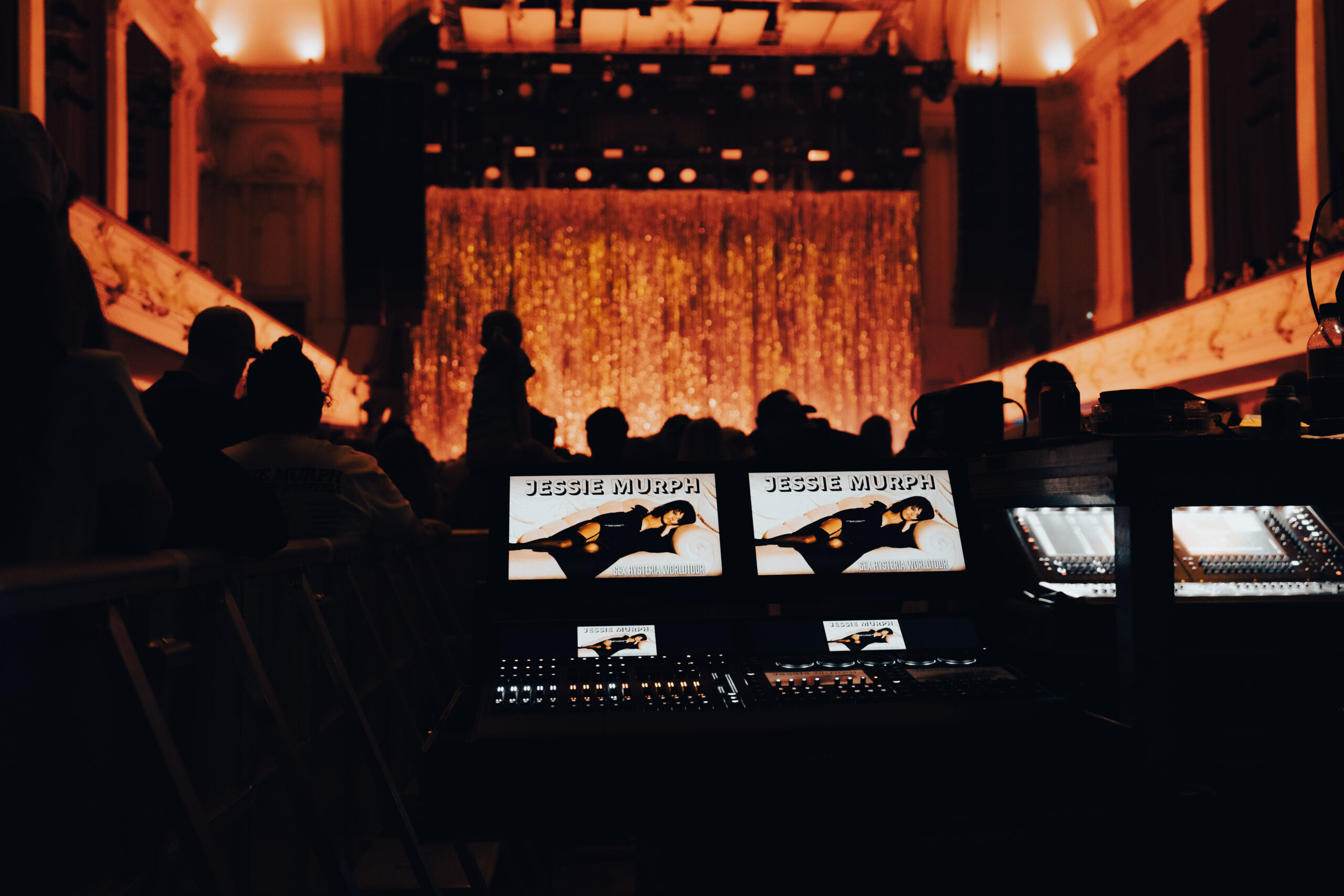
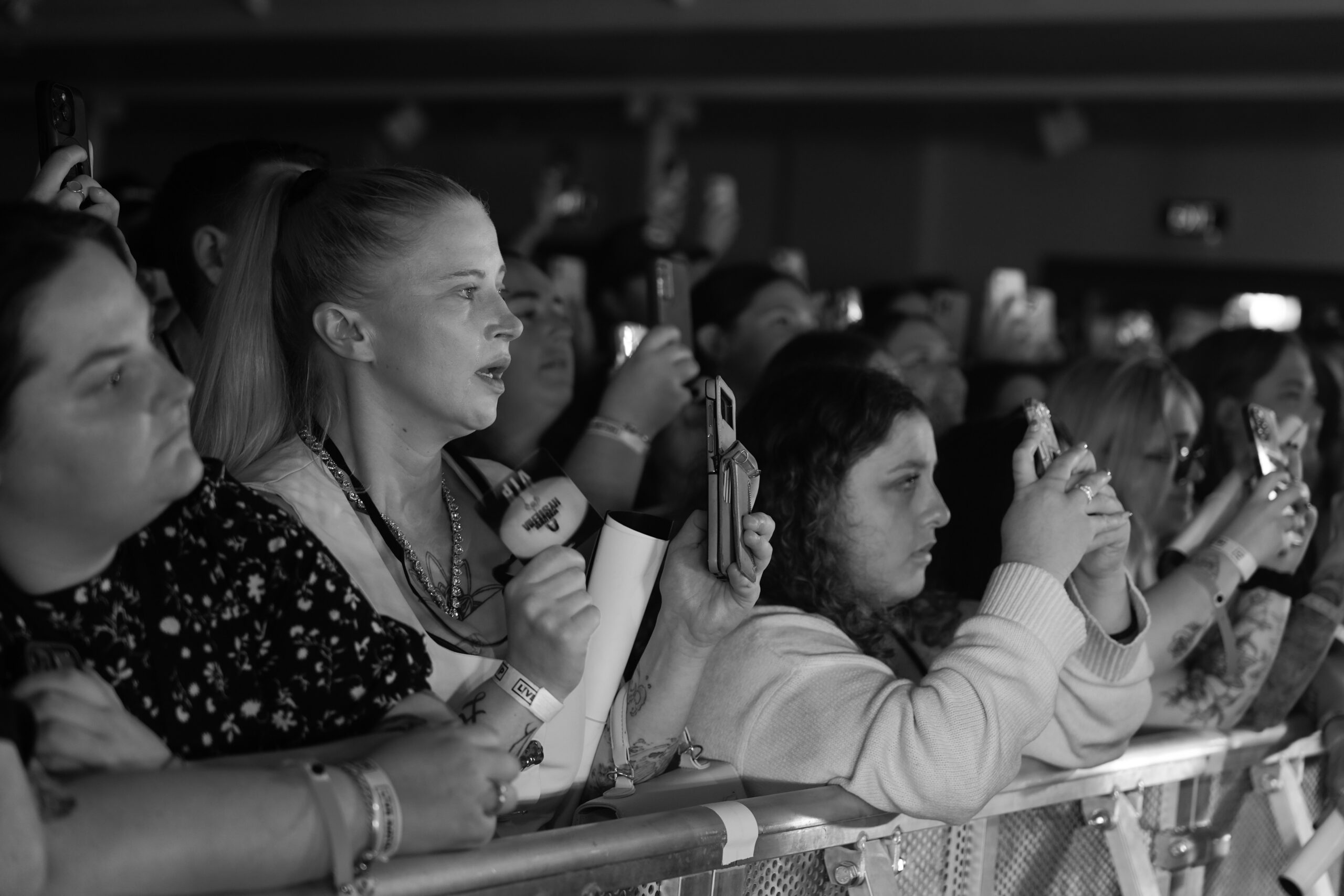
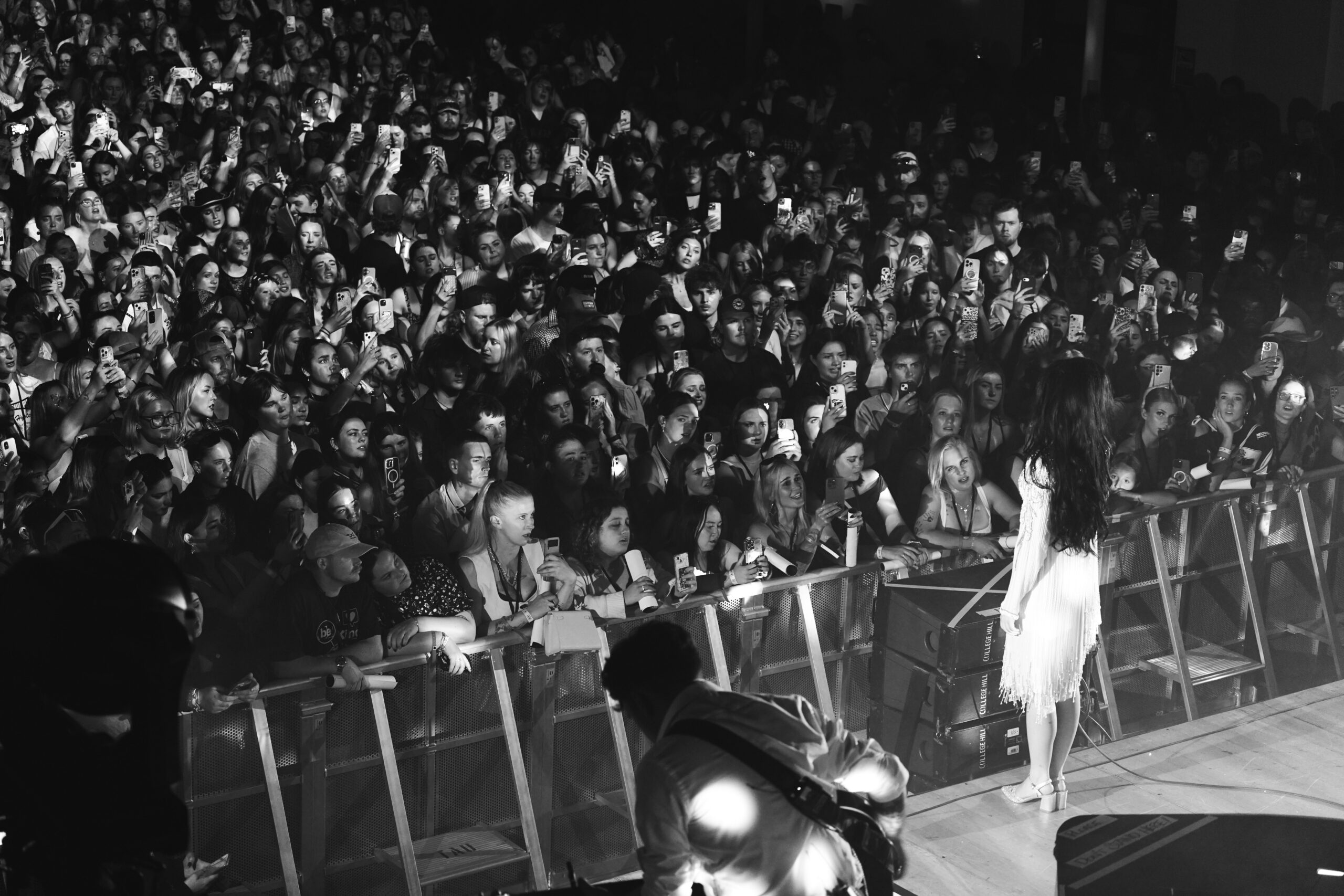
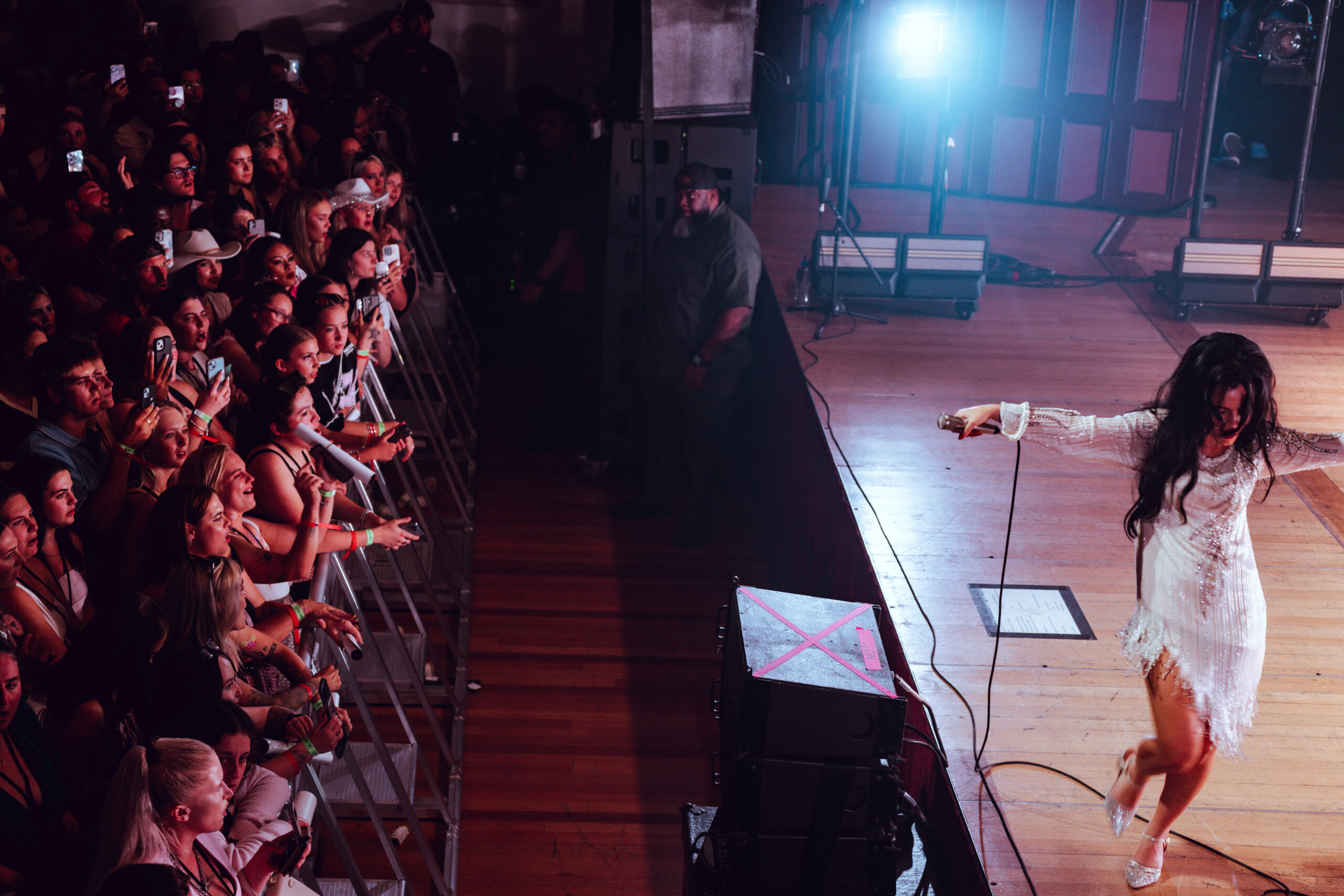
You didn’t even have to reach the doors of Auckland Town Hall to know something big was happening. Half a block away, the queue was already thick with bodies—mostly young girls, many dressed in full Western flair: leather boots, denim fits, and the unmistakable tilt of a cowboy hat. Inside the hall, an hour before showtime, the front rows were already packed tight. Everyone clutched the exclusive VIP poster like a badge of devotion, waiting for the night’s star: Jessie Murph.
She broke out at 16, blew up on TikTok, and at 21 commands a staggering 11.6 million followers, the kind of numbers most artists can’t even dream toward. A ten-second vocal clip from her can break a million views before you finish your coffee. On Spotify she pulls in 13 million monthly listeners, a reach that’s almost surreal for an artist still so early in her career.
This year, Jessie hit the road with her latest record, Sex Hysteria, a tour that’s taken her across the globe. Tonight, Auckland marks the final stop of her Australia–New Zealand run—and we know it.
Stella Lefty
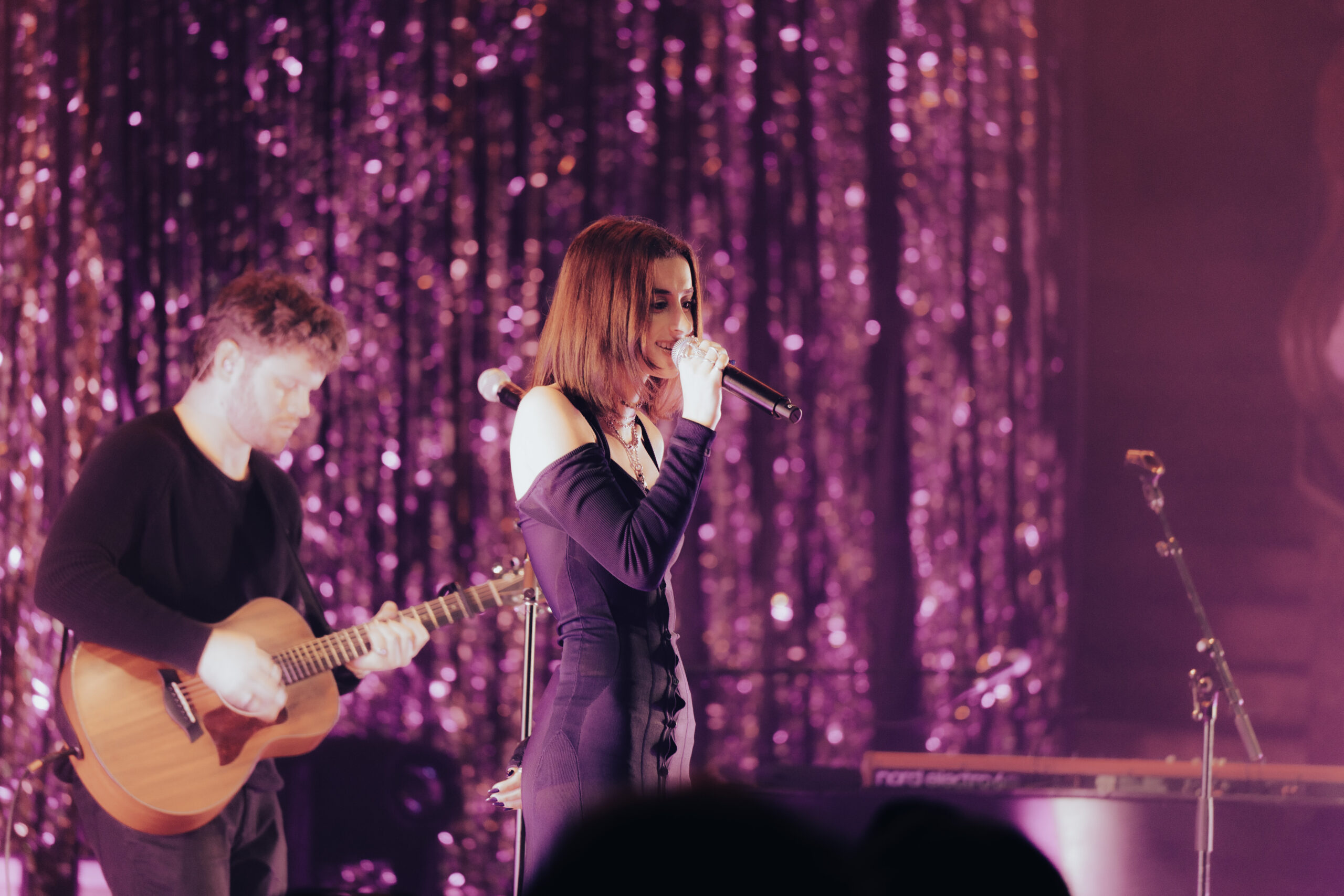
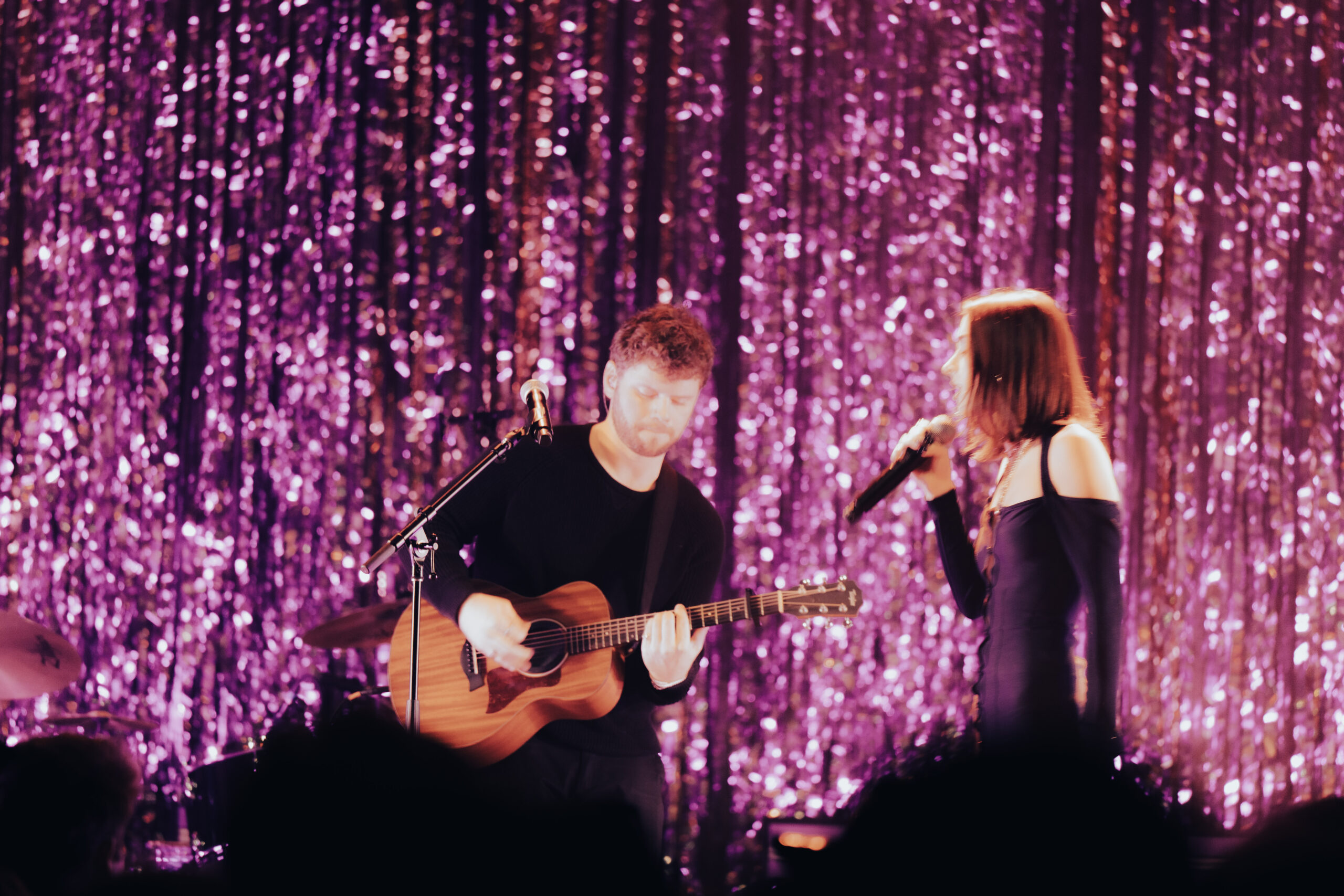
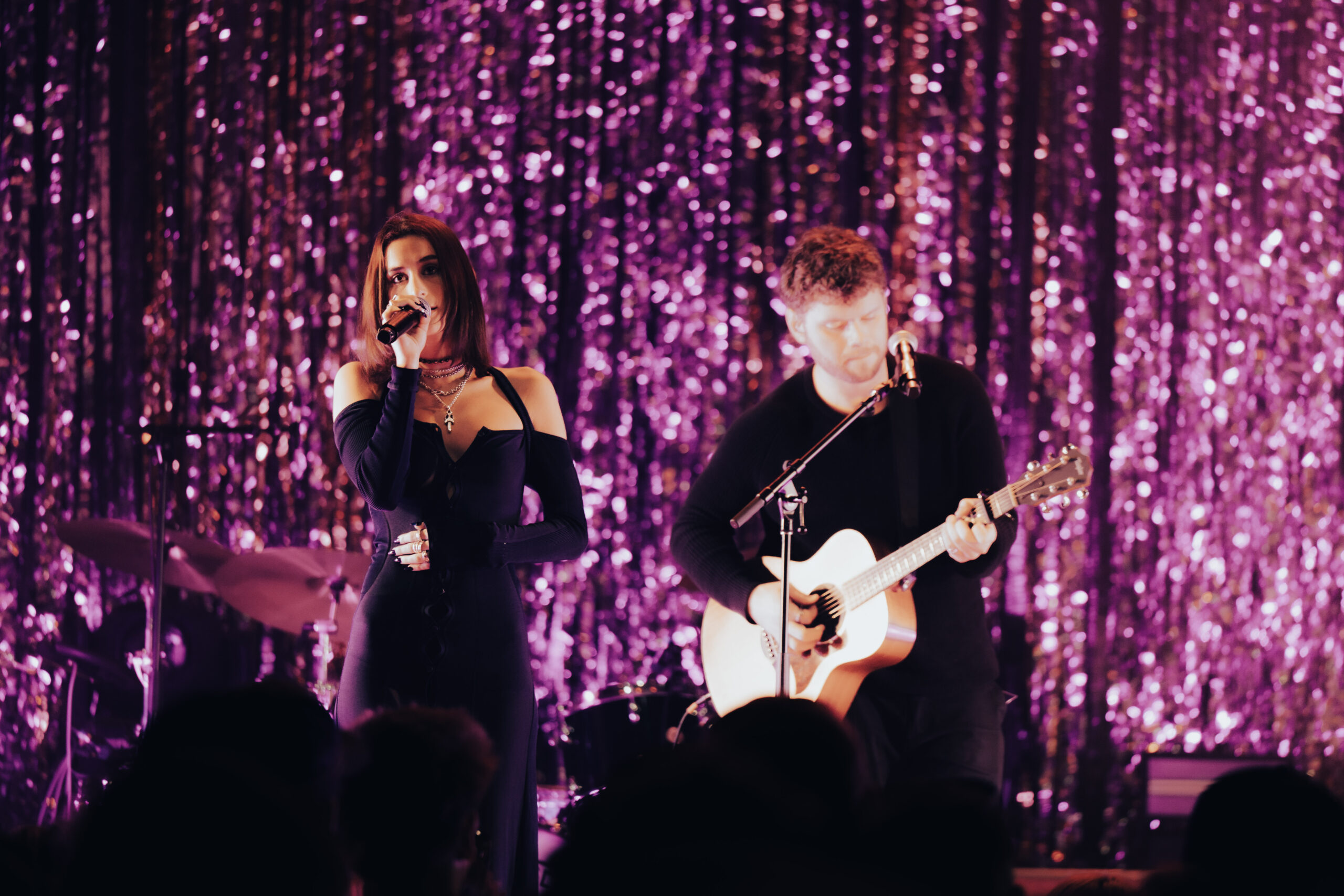
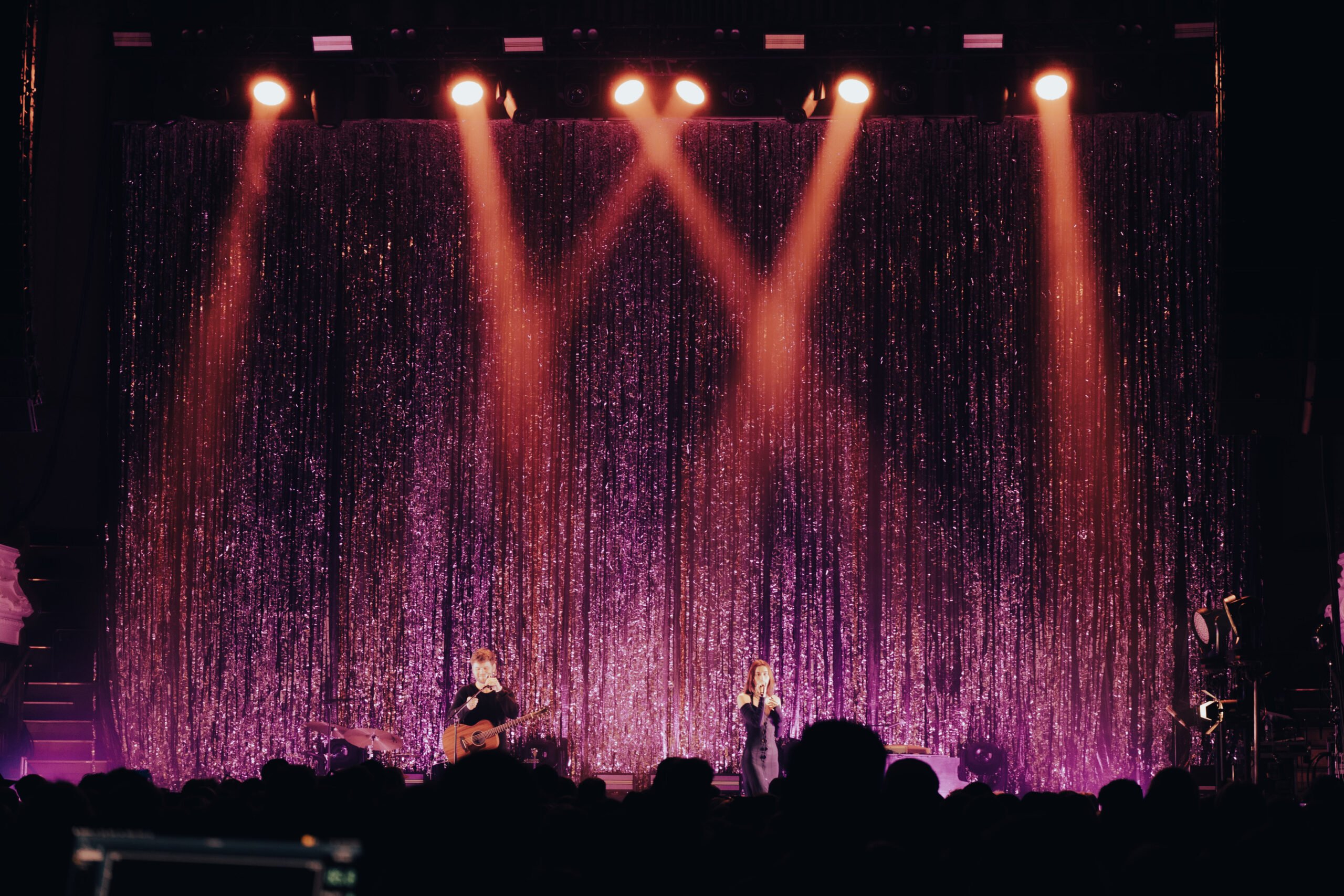
The lone opener for the Australia–New Zealand leg was Stella Lefty, who stepped onto the stage with nothing but an acoustic guitarist by her side. She delivered an eight-song set drawn from her debut EP, Tragic, Really, released earlier this year, along with a few freshly dropped singles. At just nineteen, with her first track Kiss Me barely a year old, she has already racked up 148k TikTok followers and 838k streams—a trajectory that hints she won’t be an opener for long.
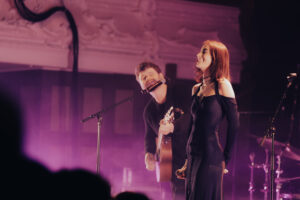
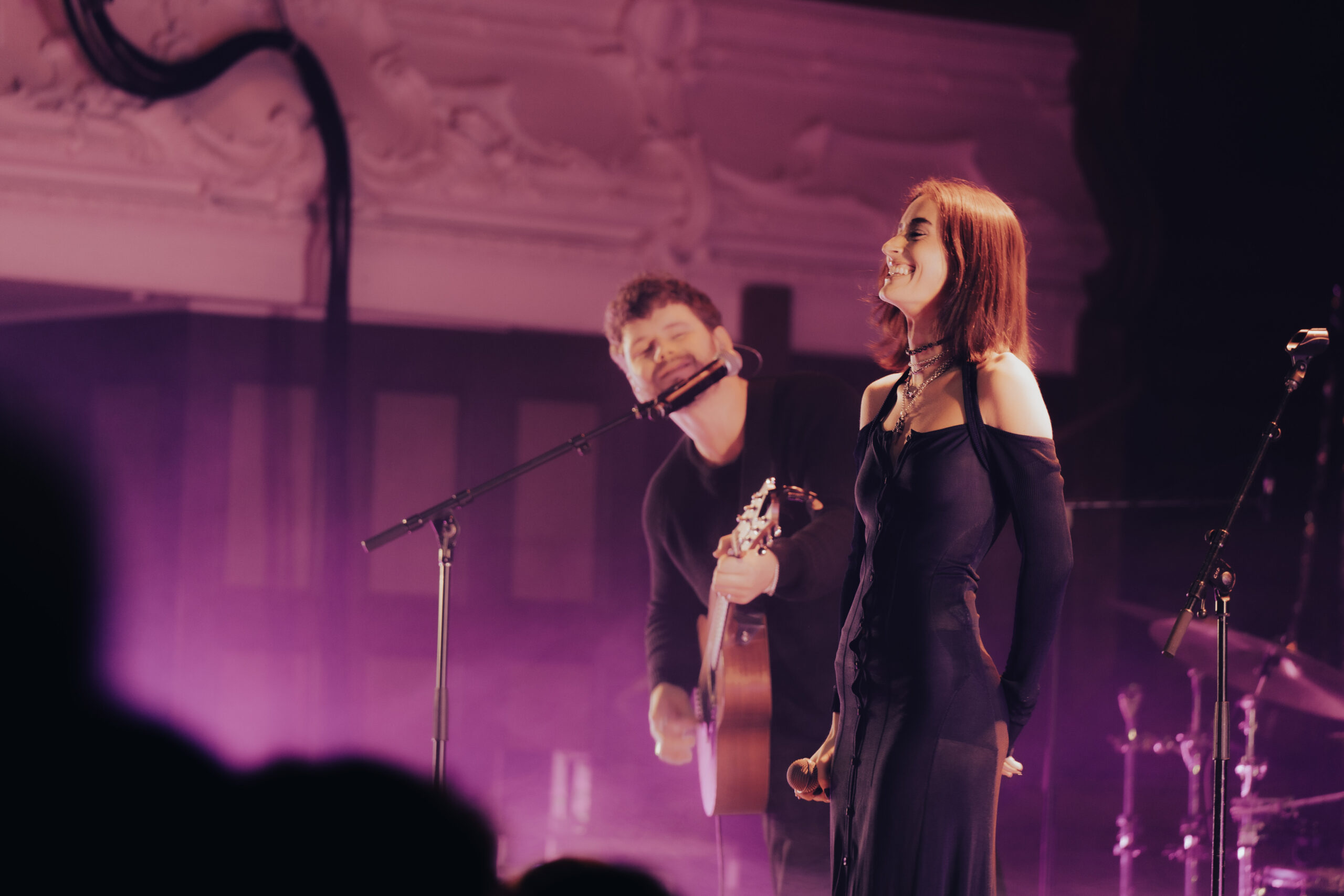
She told the crowd she was from Chicago, though the room hardly needed the introduction. The audience knew her lyrics, her melodies, the emotional turns of each chorus. They sang with her as if they’d grown up on these songs, and Stella couldn’t hide her delight. Her performance carried a steadiness and polish far beyond her age, but between tracks she’d flash a shy smile, the kind that reminds you she’s still figuring out what it means to stand on a stage this size.
She closed with Cynic, a finale that landed with precision. The soaring chorus triggered a full-hall sing-back and a wave of high-pitched screams, sealing her set with a moment that felt larger than an opening slot has any right to be.
Jessie Murph
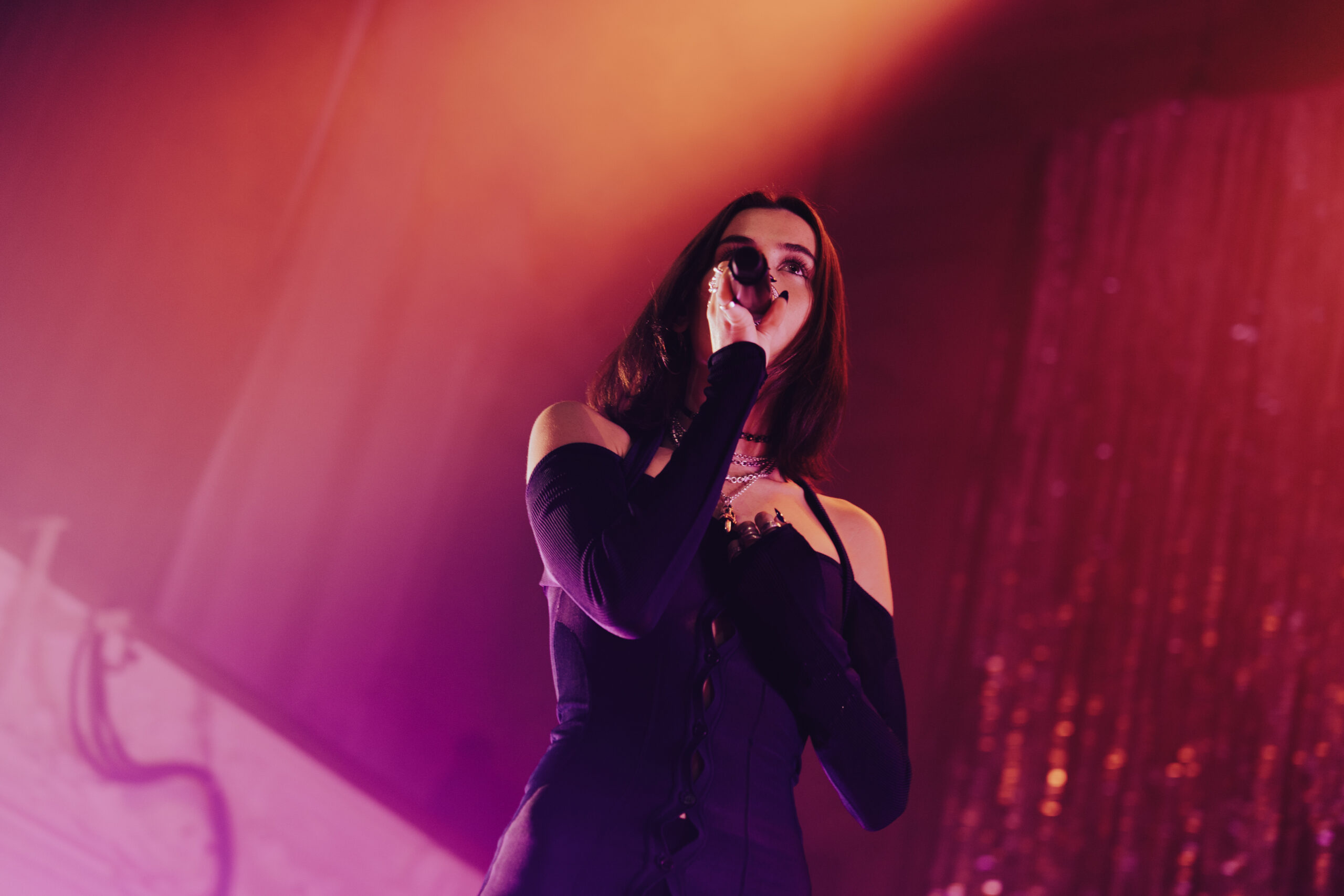
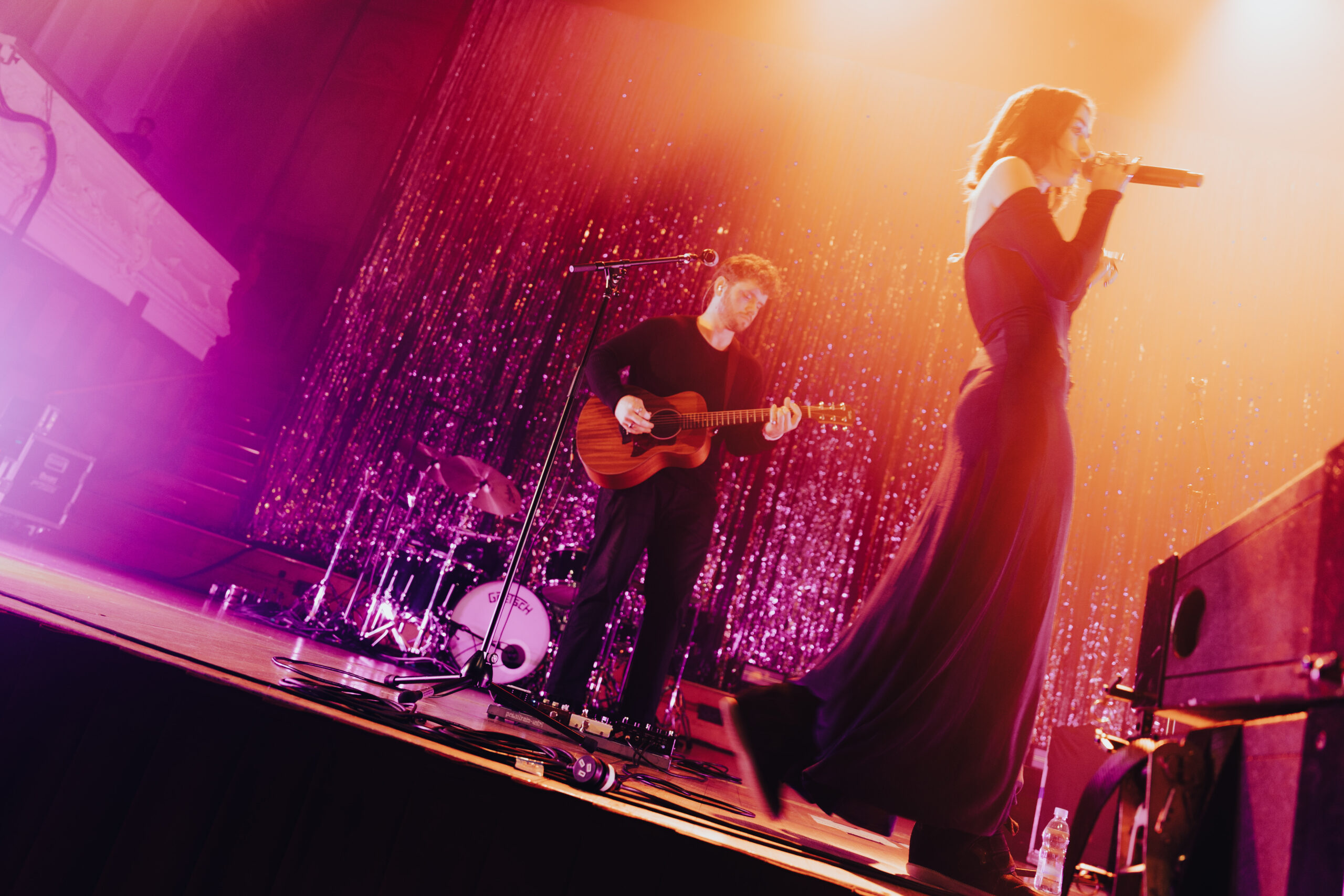
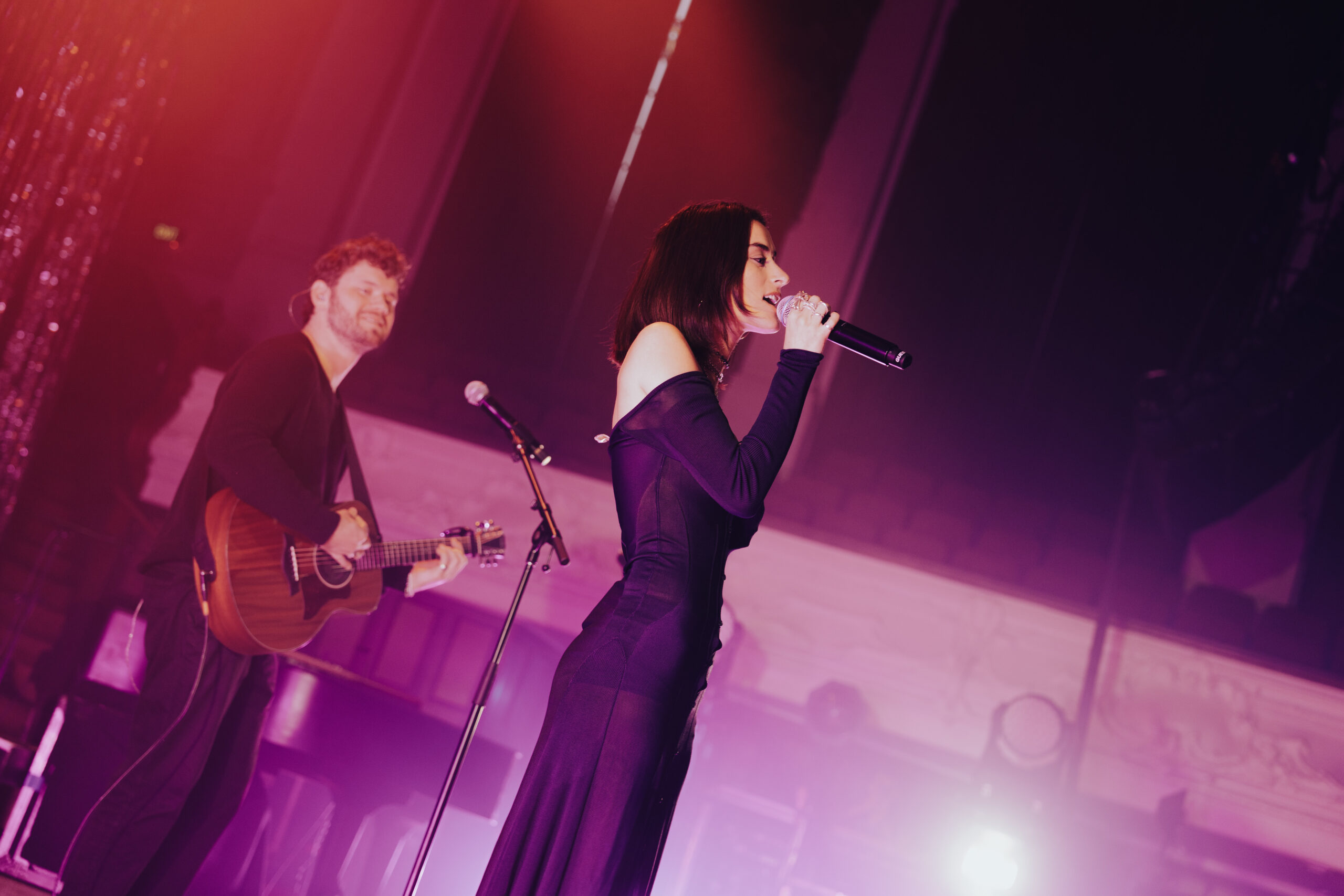
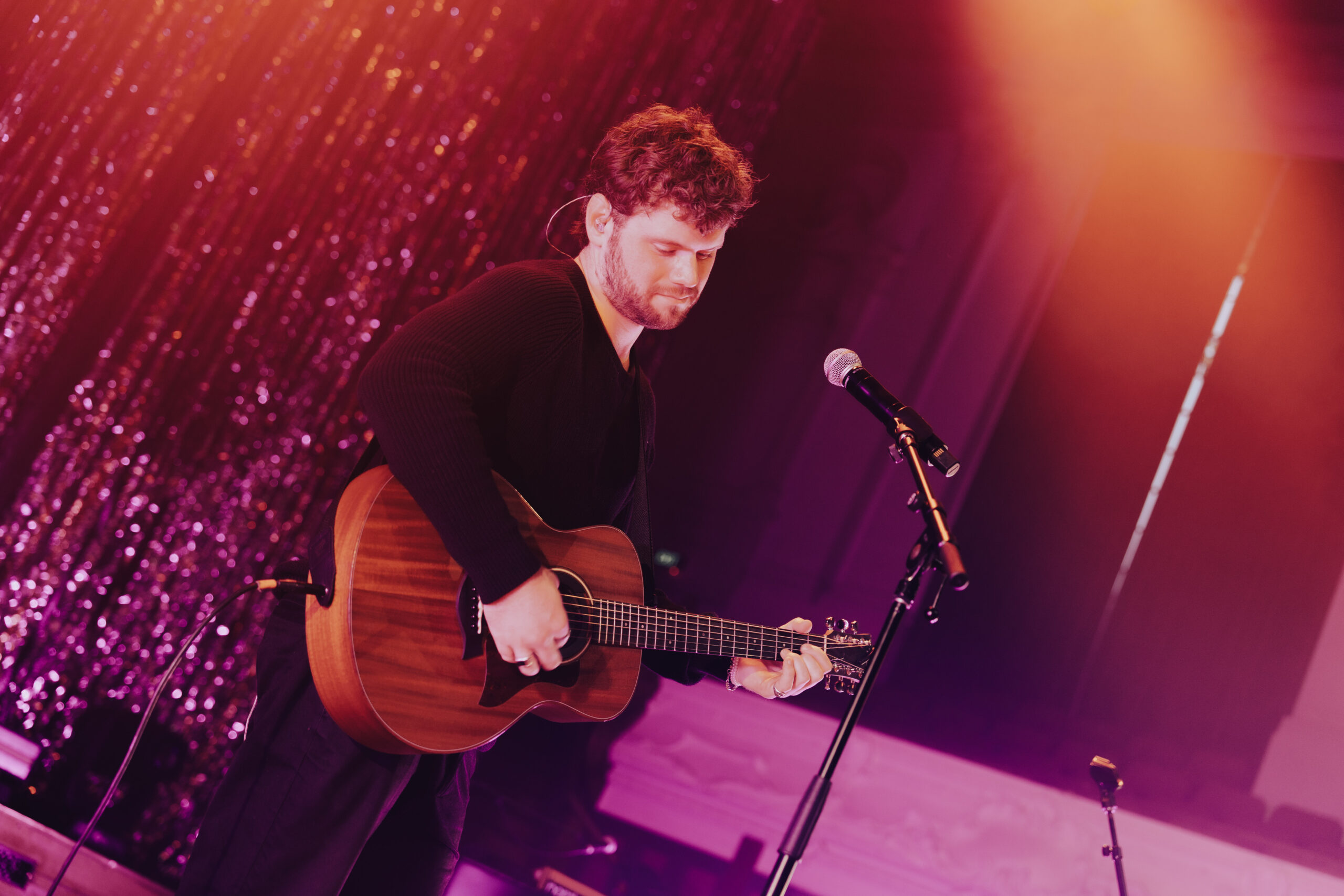
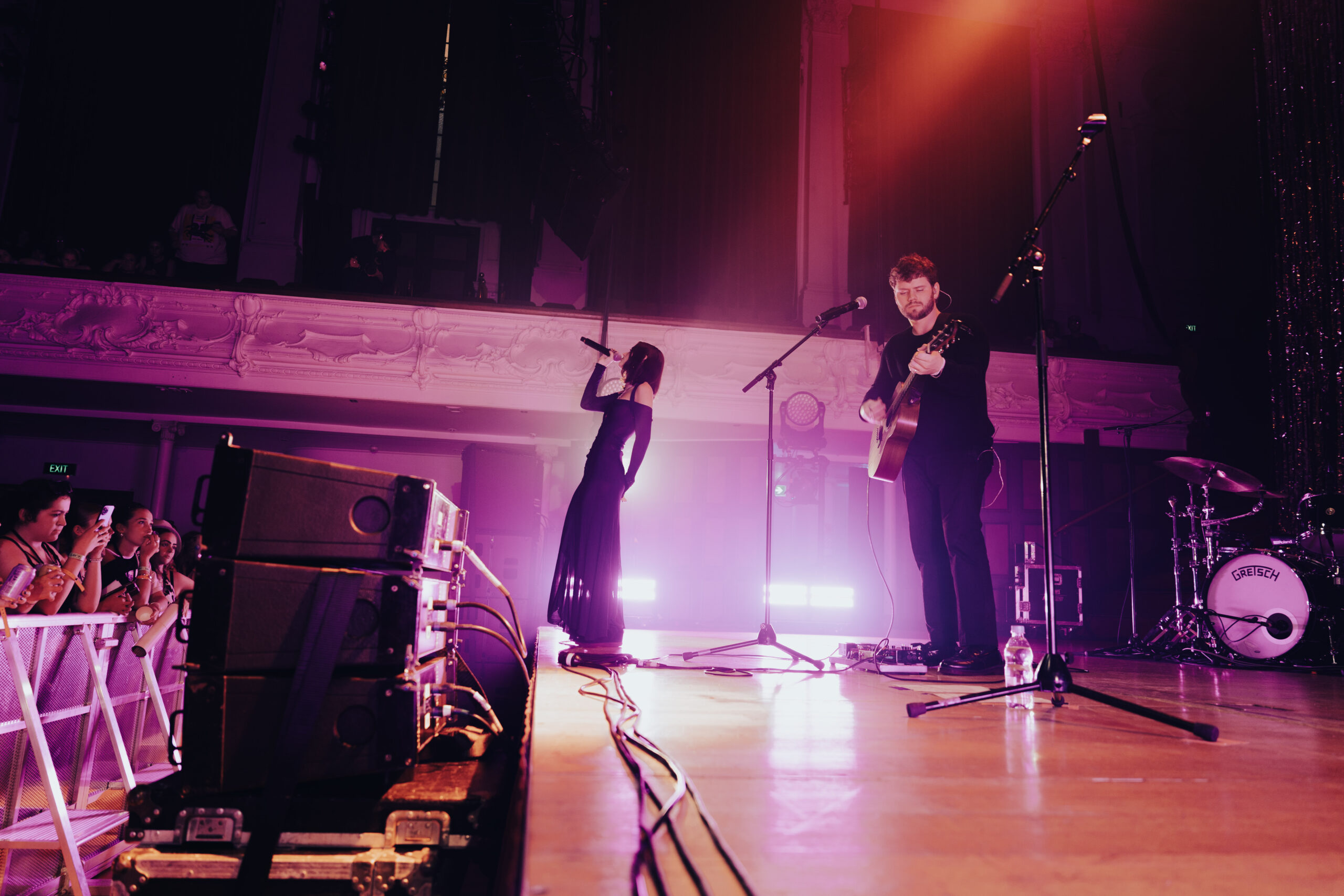
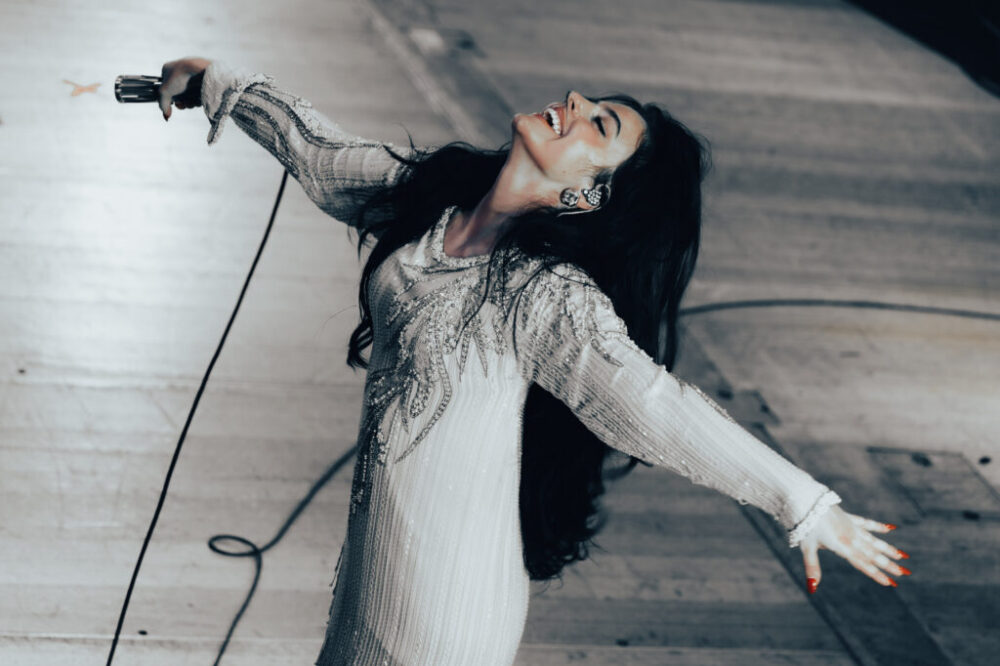
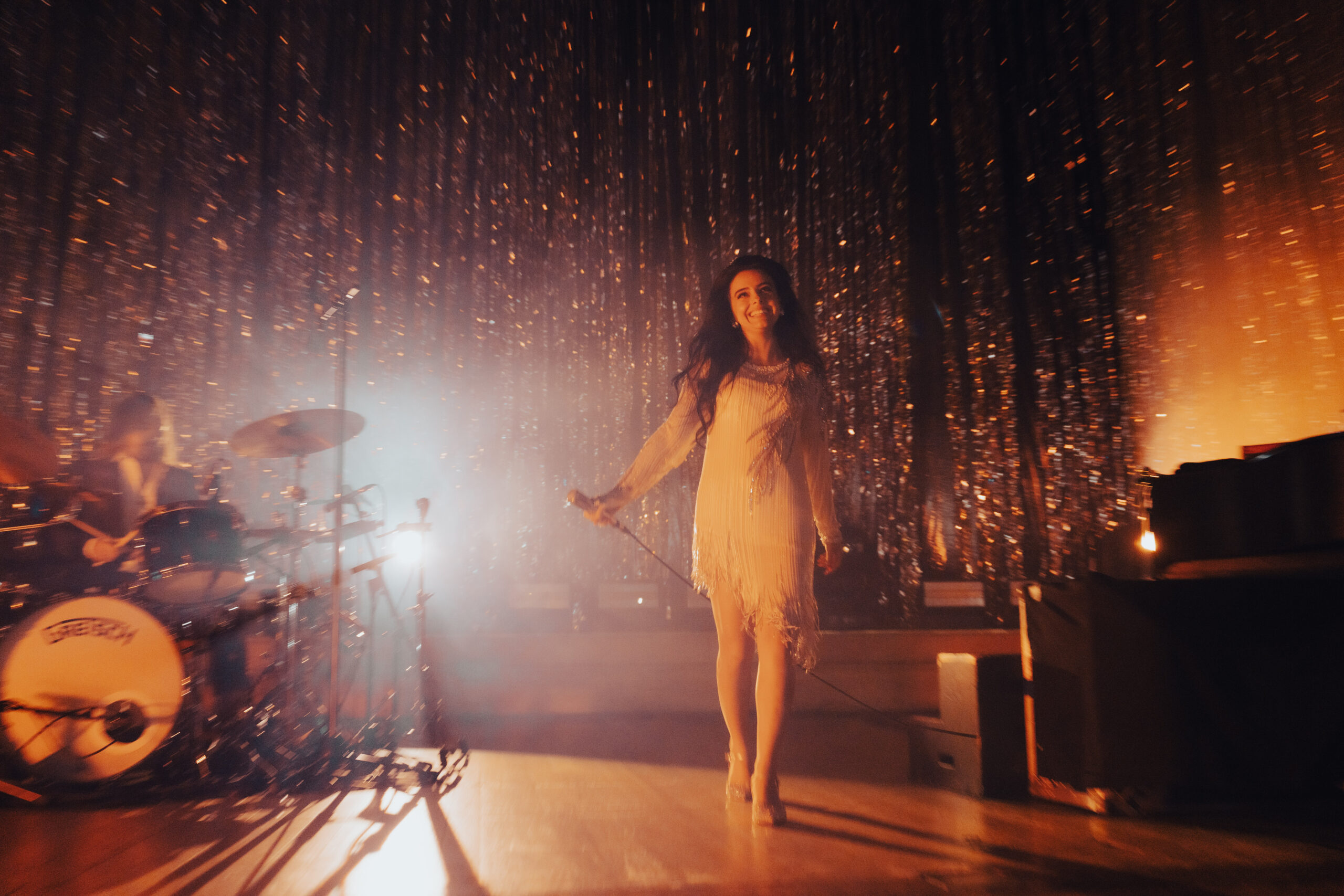
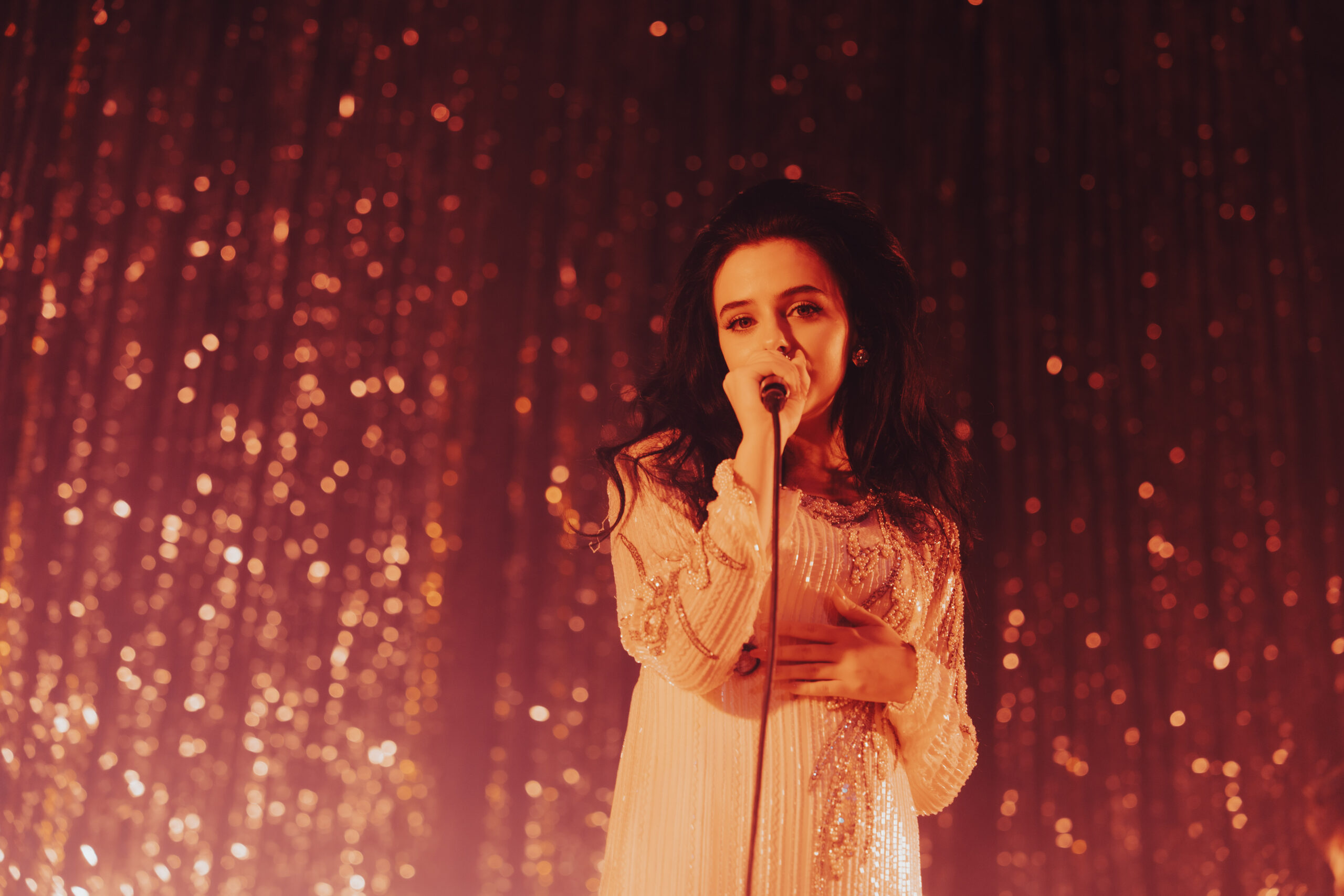
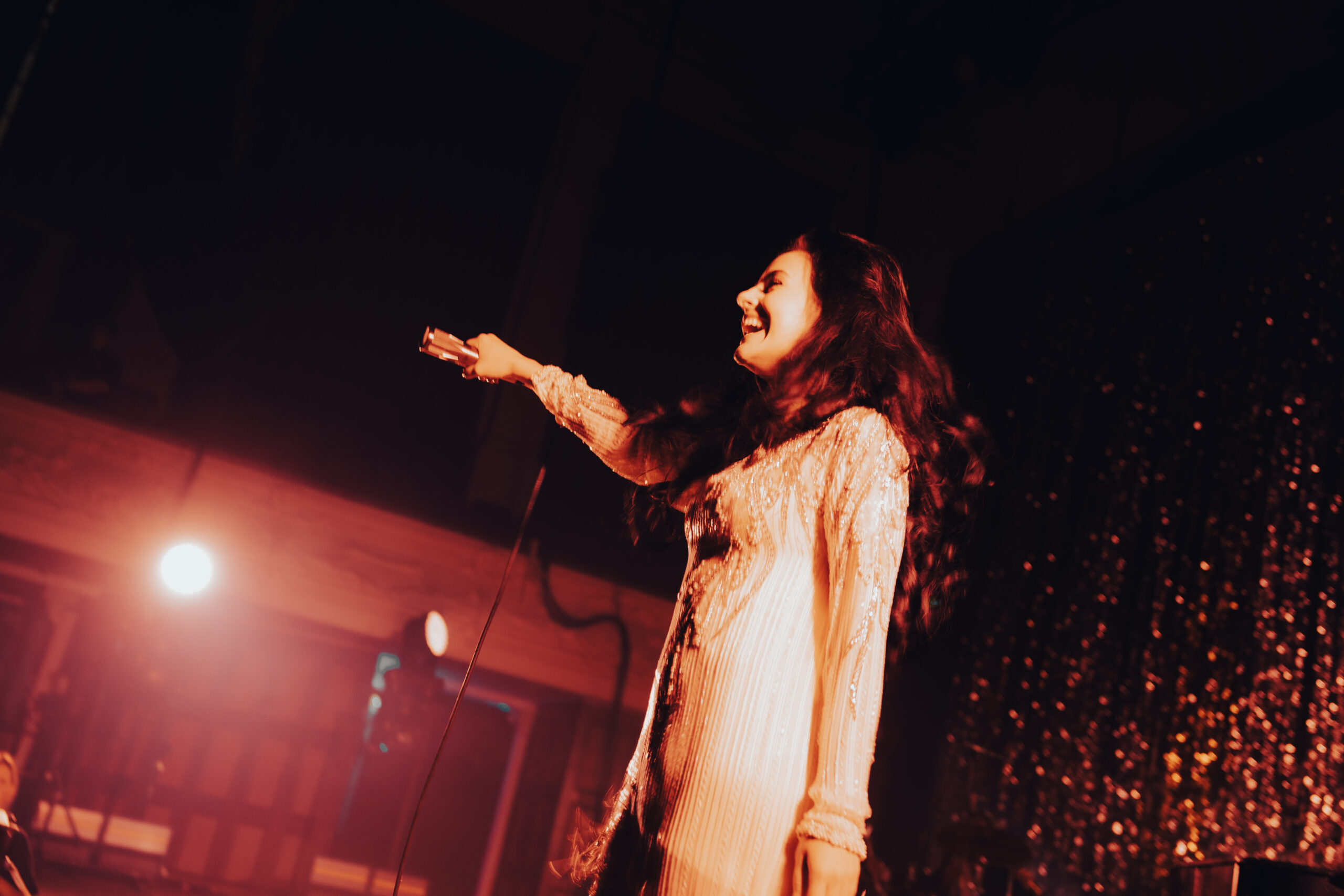
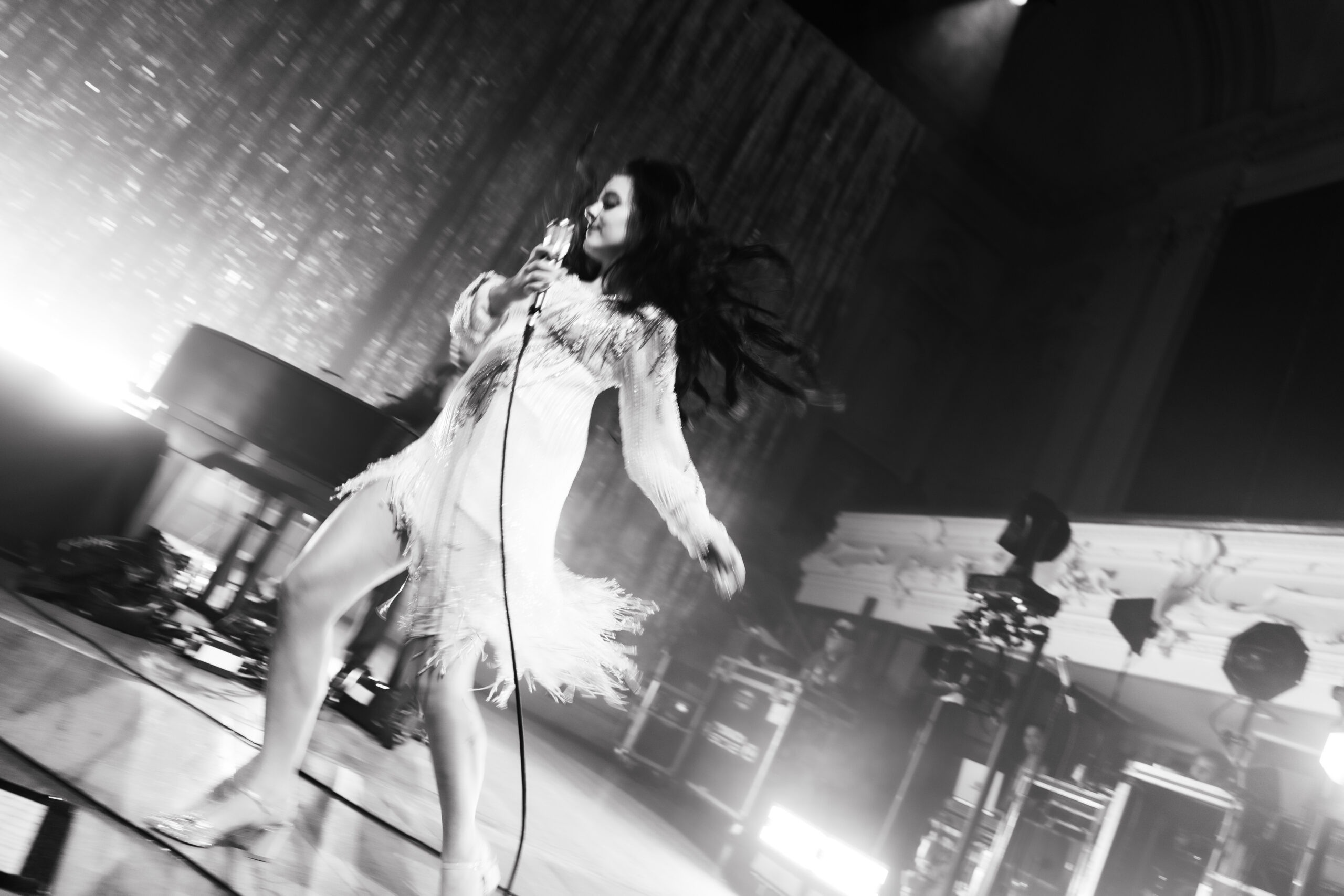
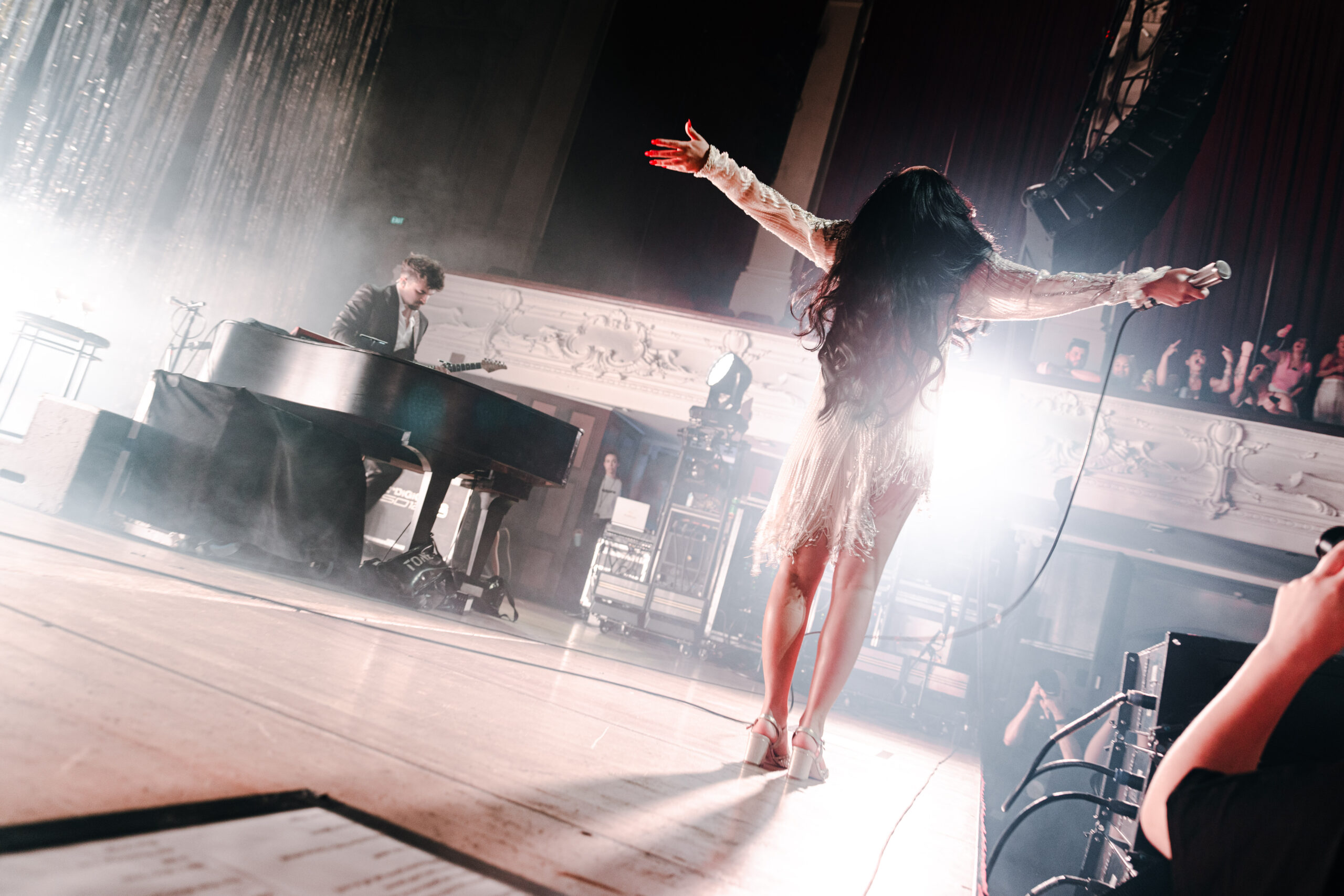
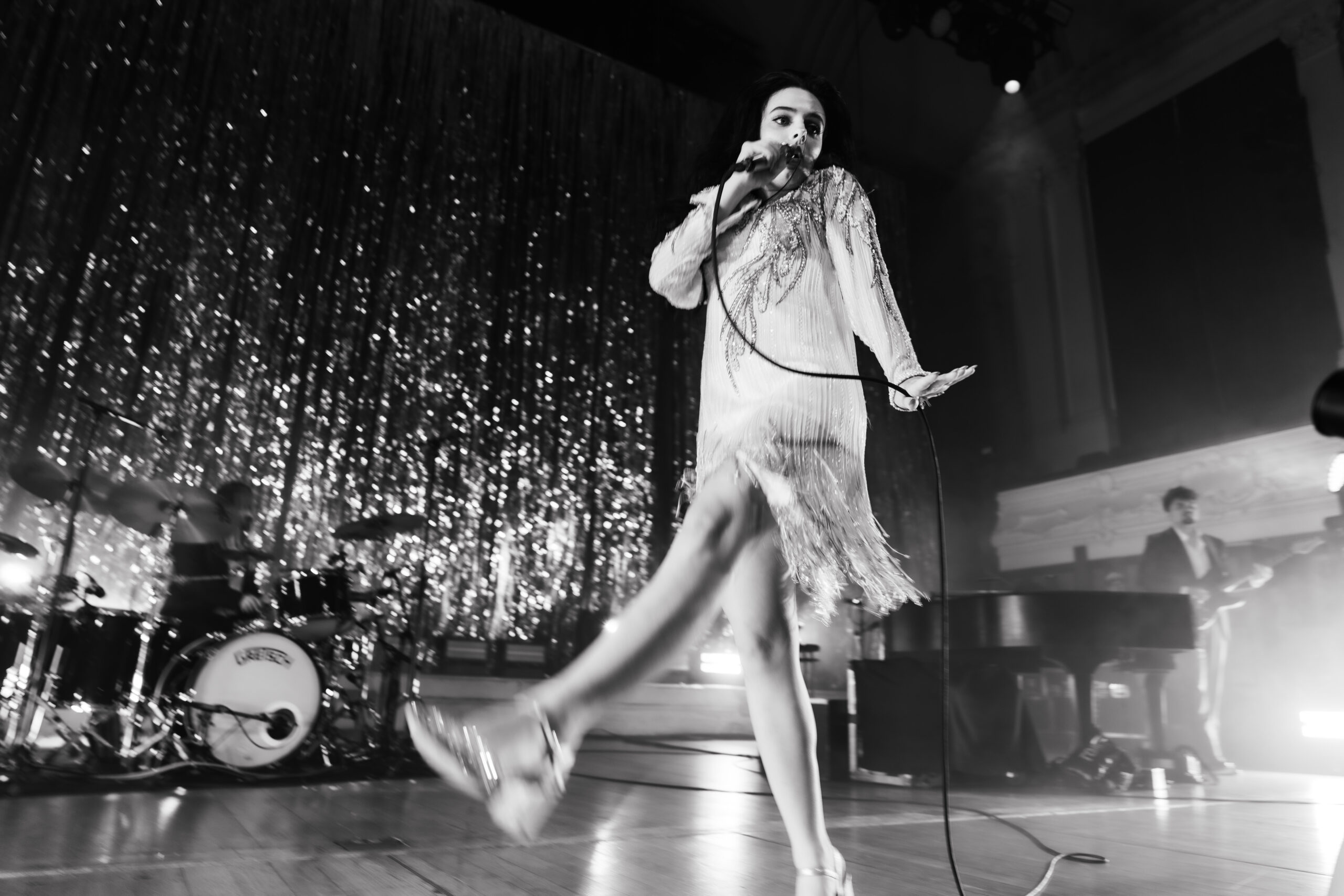
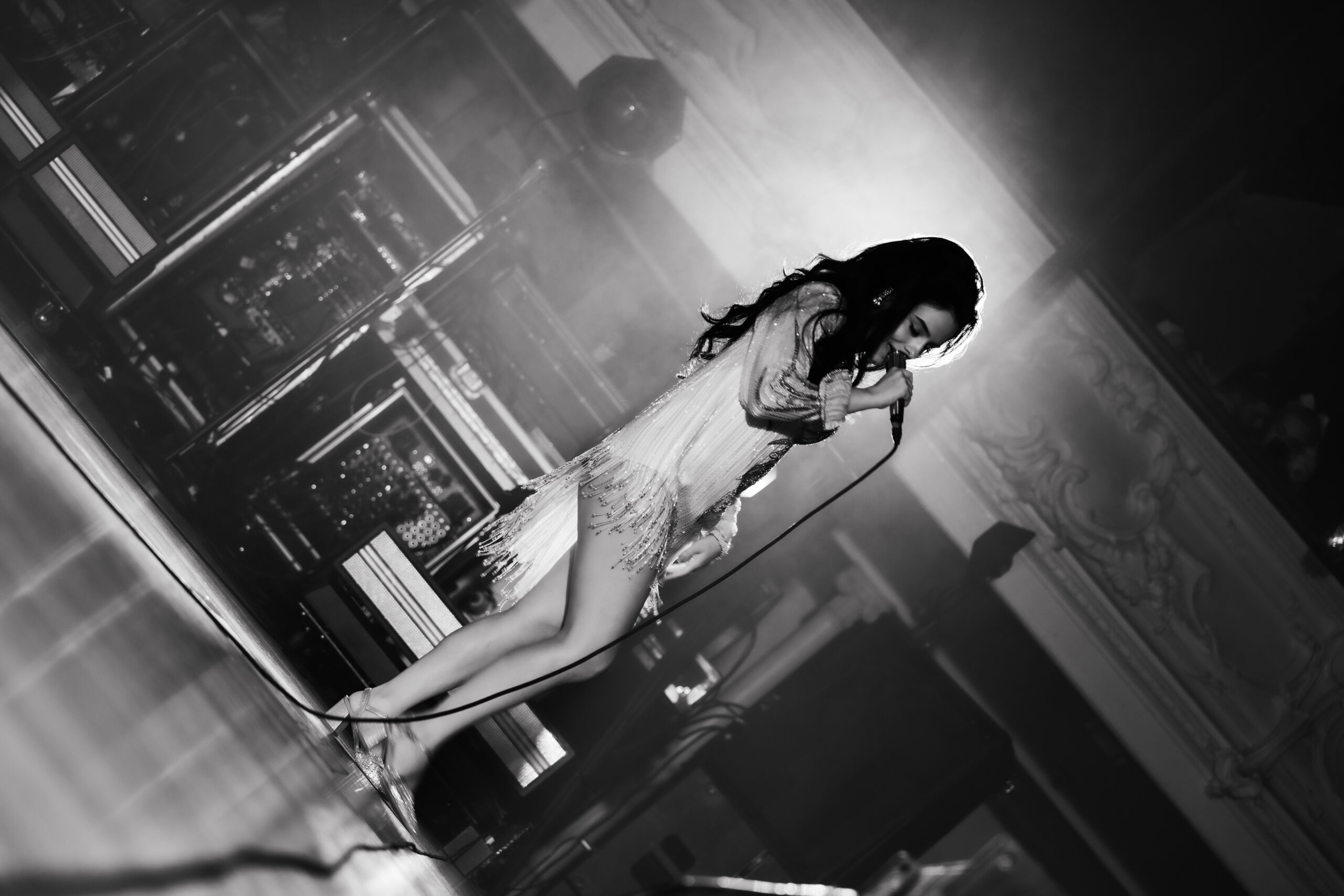
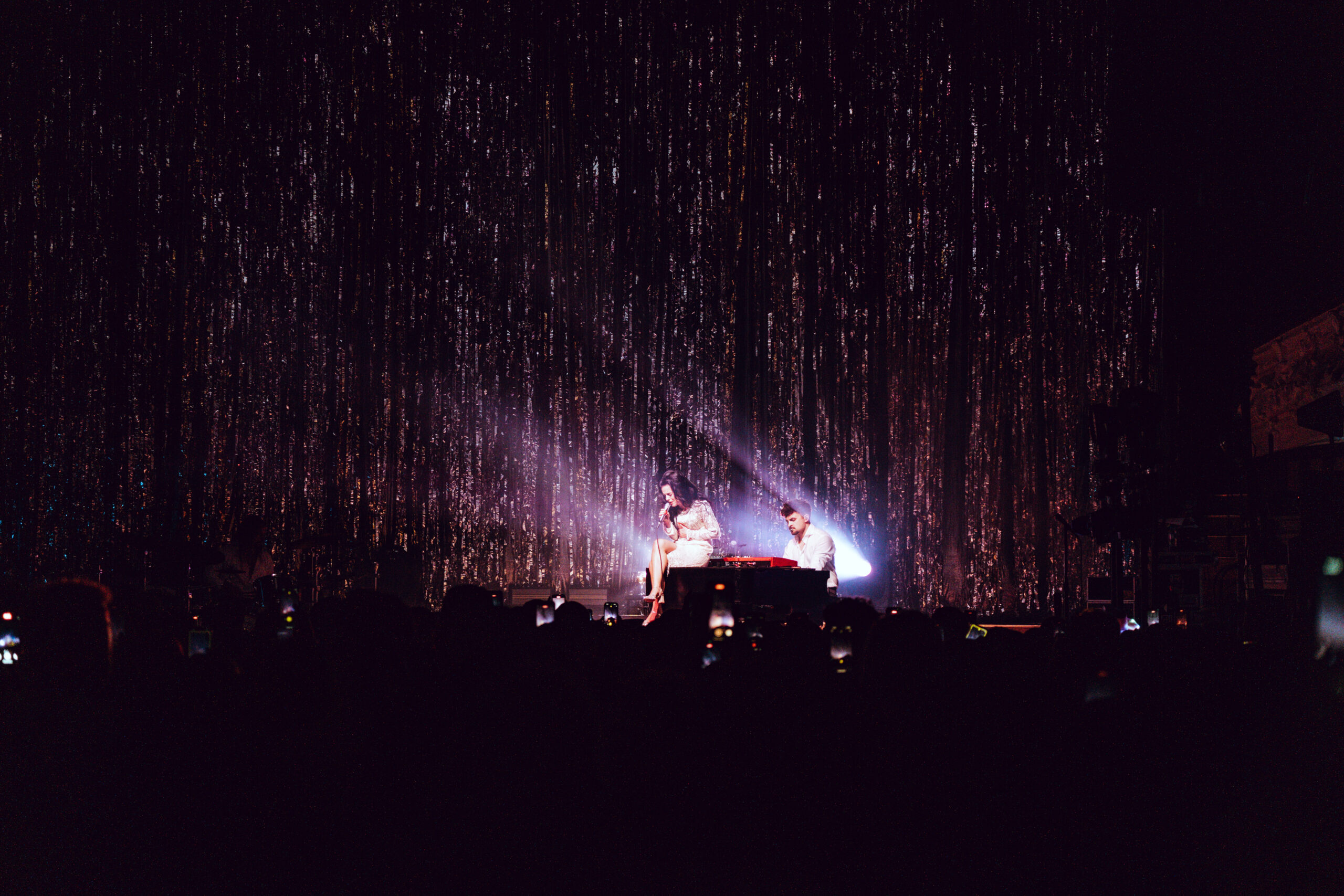
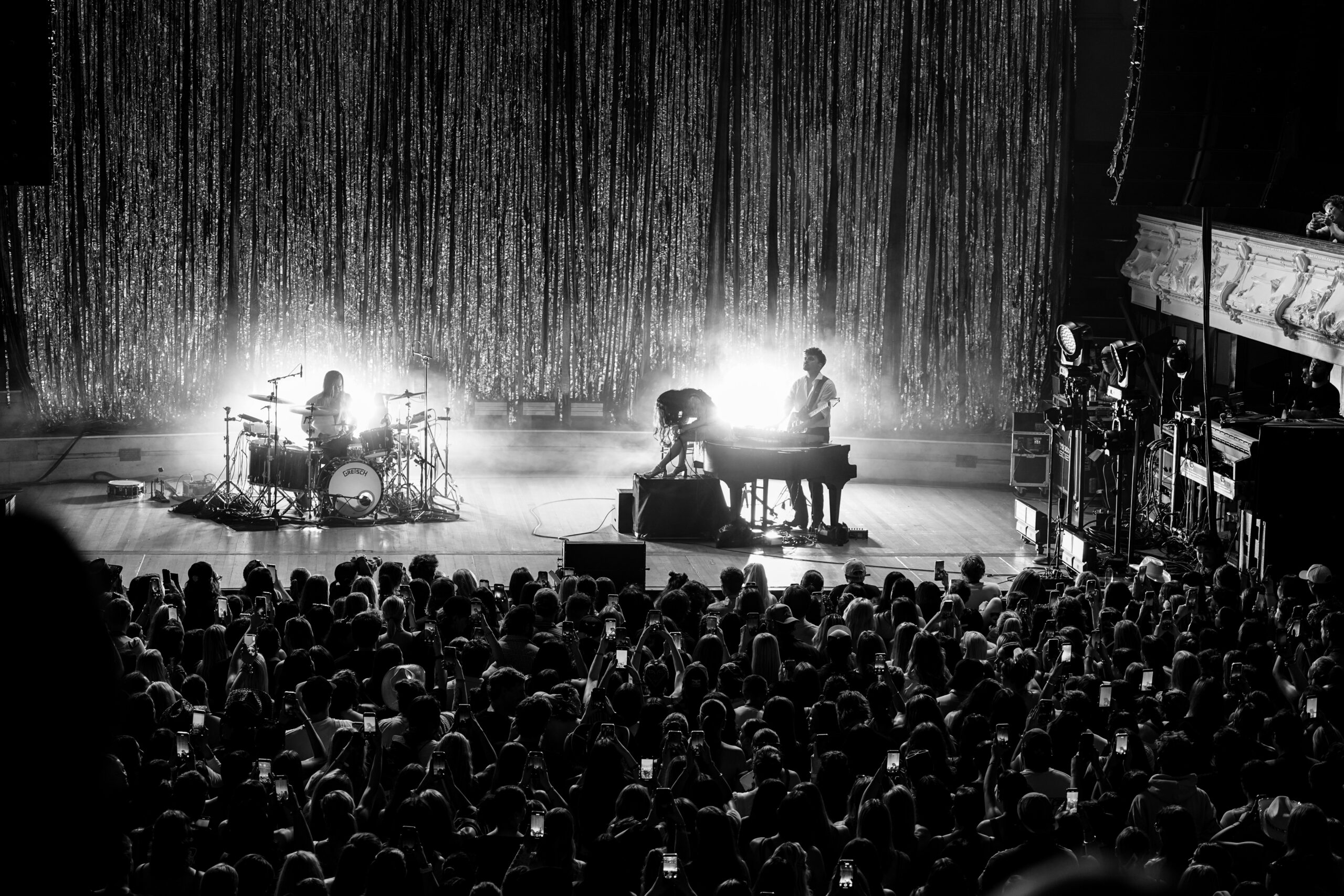
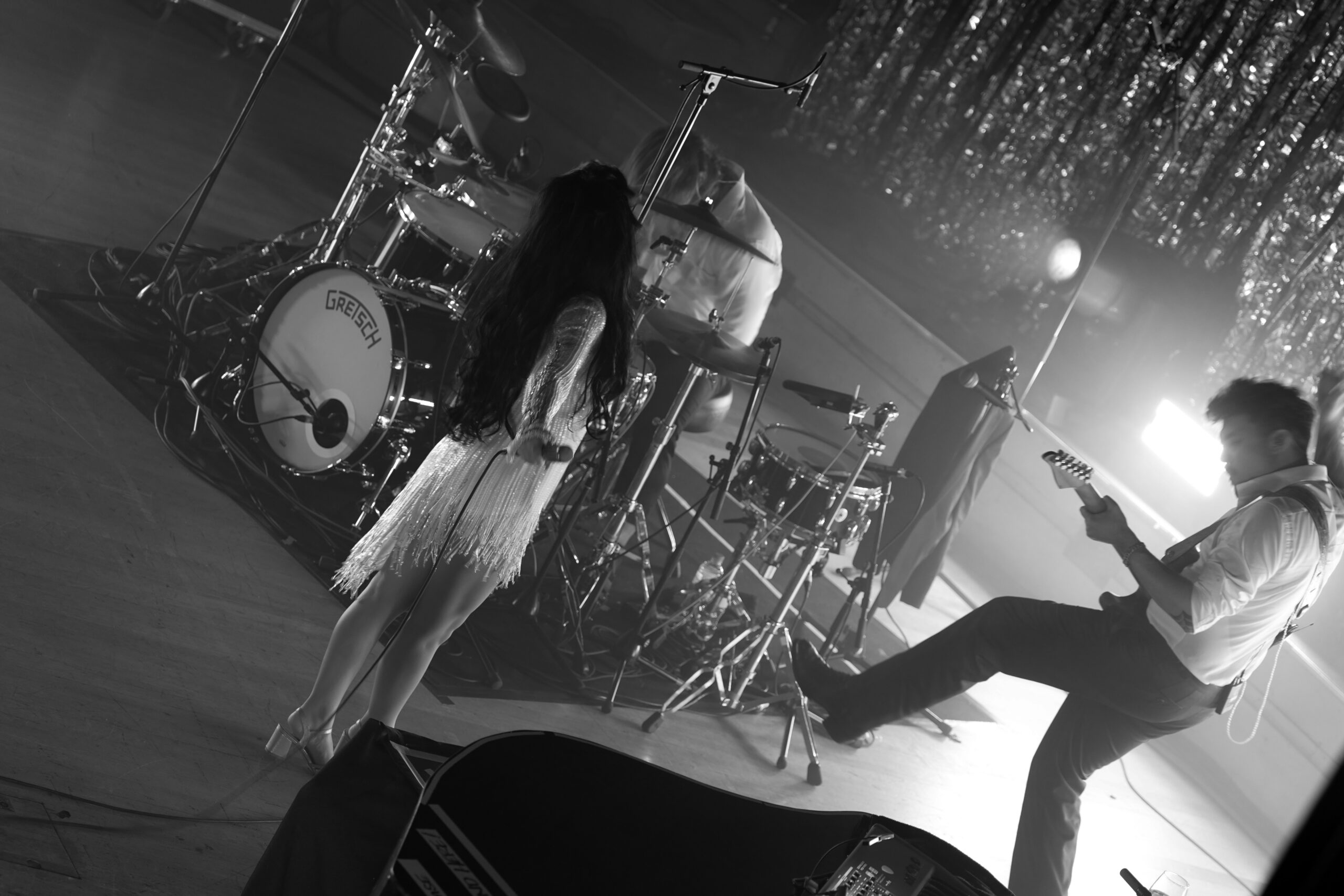
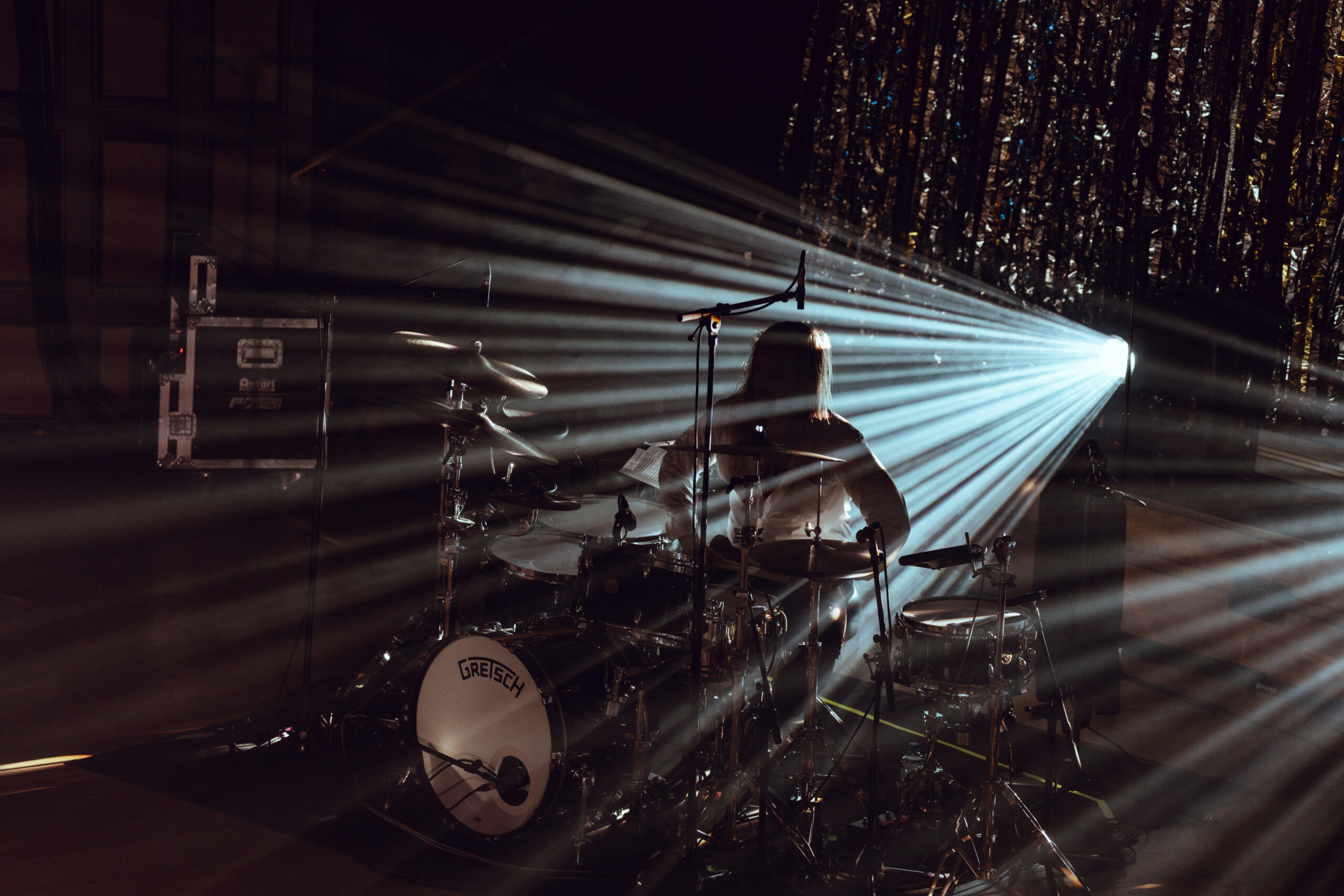
Two figures emerged in the dark—drummer Yotam Weiss and guitarist Haven Cody, who would later switch over to piano. As the lights flickered to life, they locked into a heavy, pulsing rhythm that rippled across the hall, stirring the crowd into a restless buzz. After a few suspenseful seconds, Jessie Murph swept onto the stage in a white dress, lit up like a flare. She dove straight into Gucci Mane and 1965, the opening pair from her new album Sex Hysteria and the namesake of this tour. The room erupted. In the front row, I caught sight of a girl with two streaming tear lines carved down her cheeks. I don’t know how long she’s waited for this night—but in that moment, her dream had arrived.
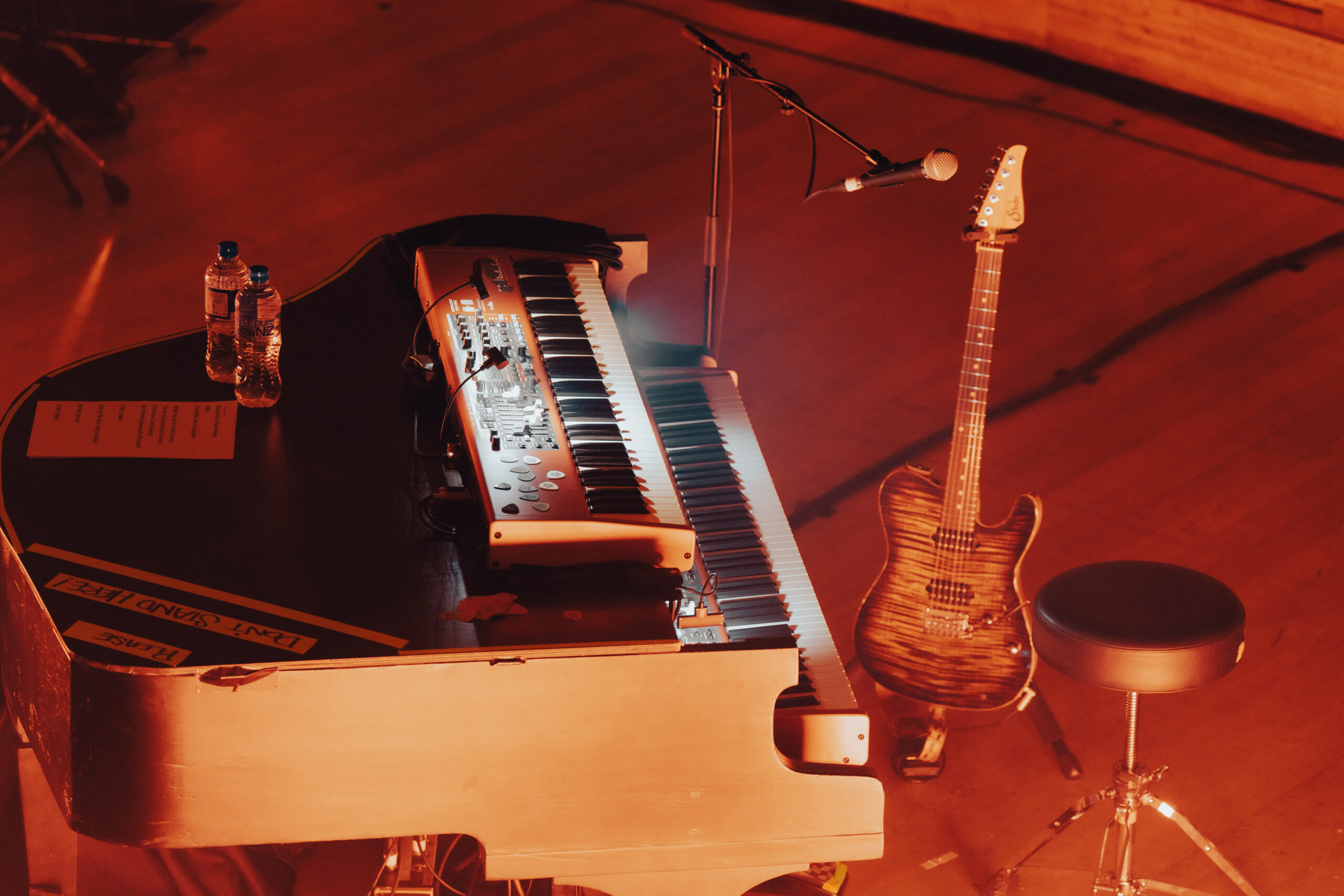
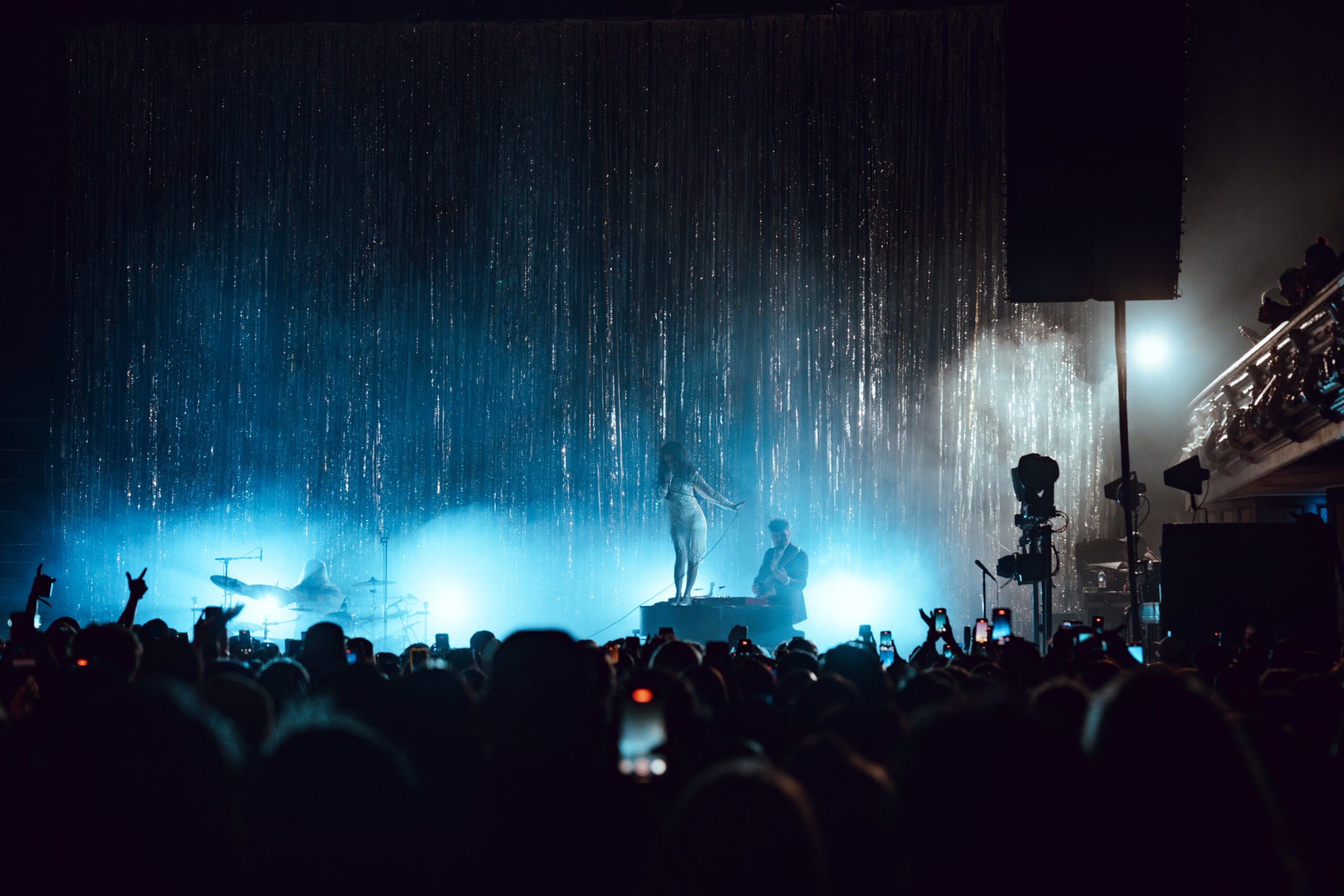
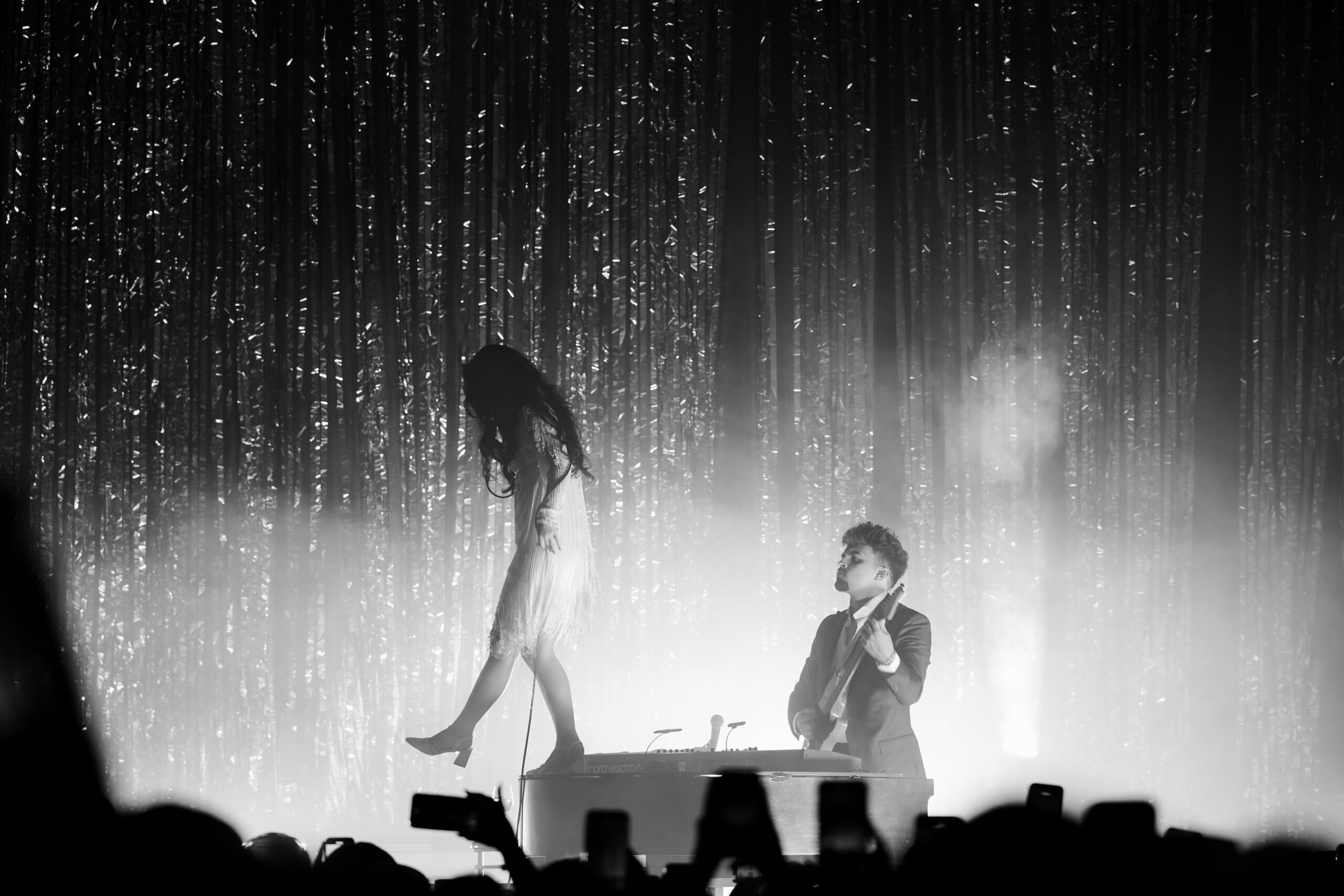
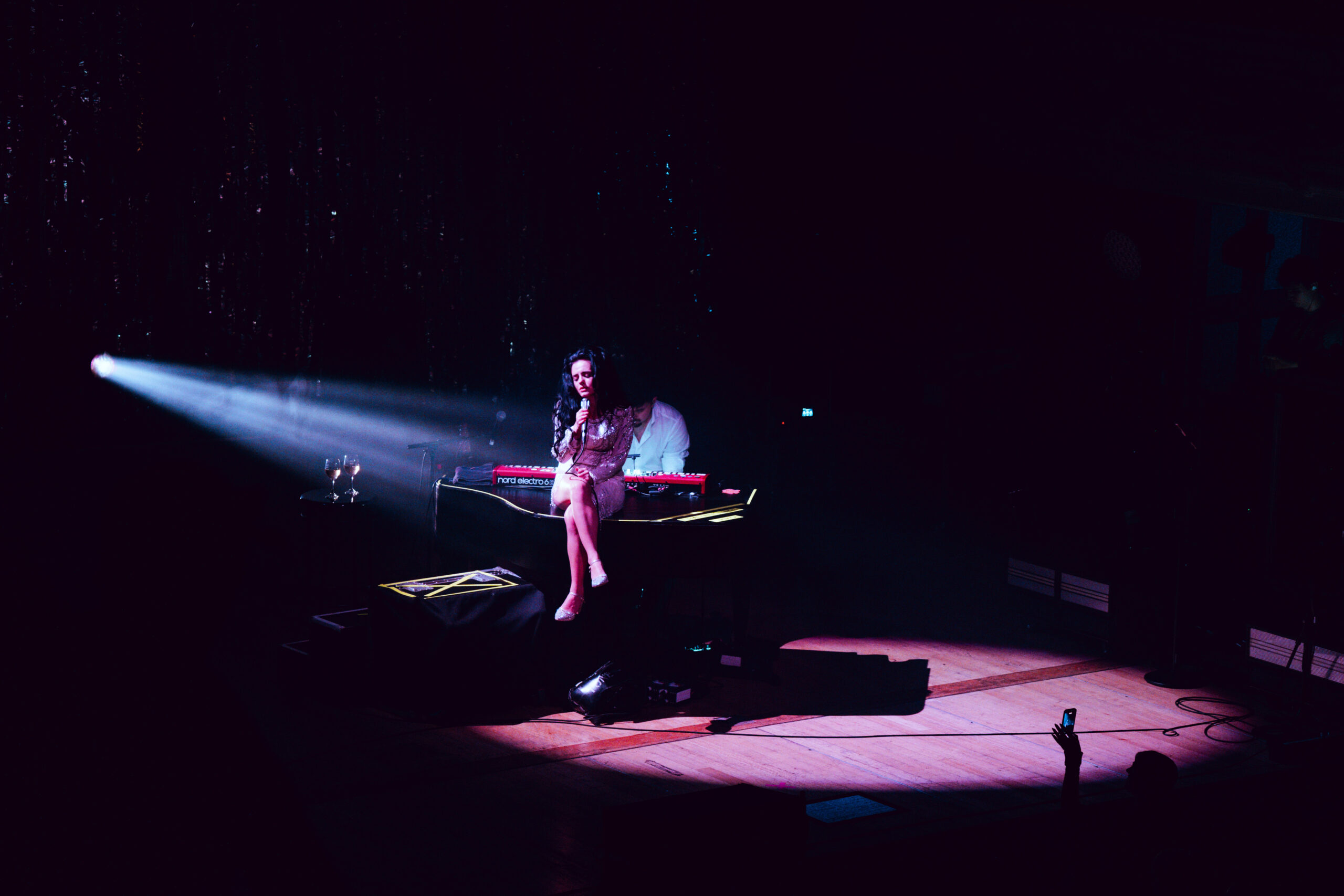
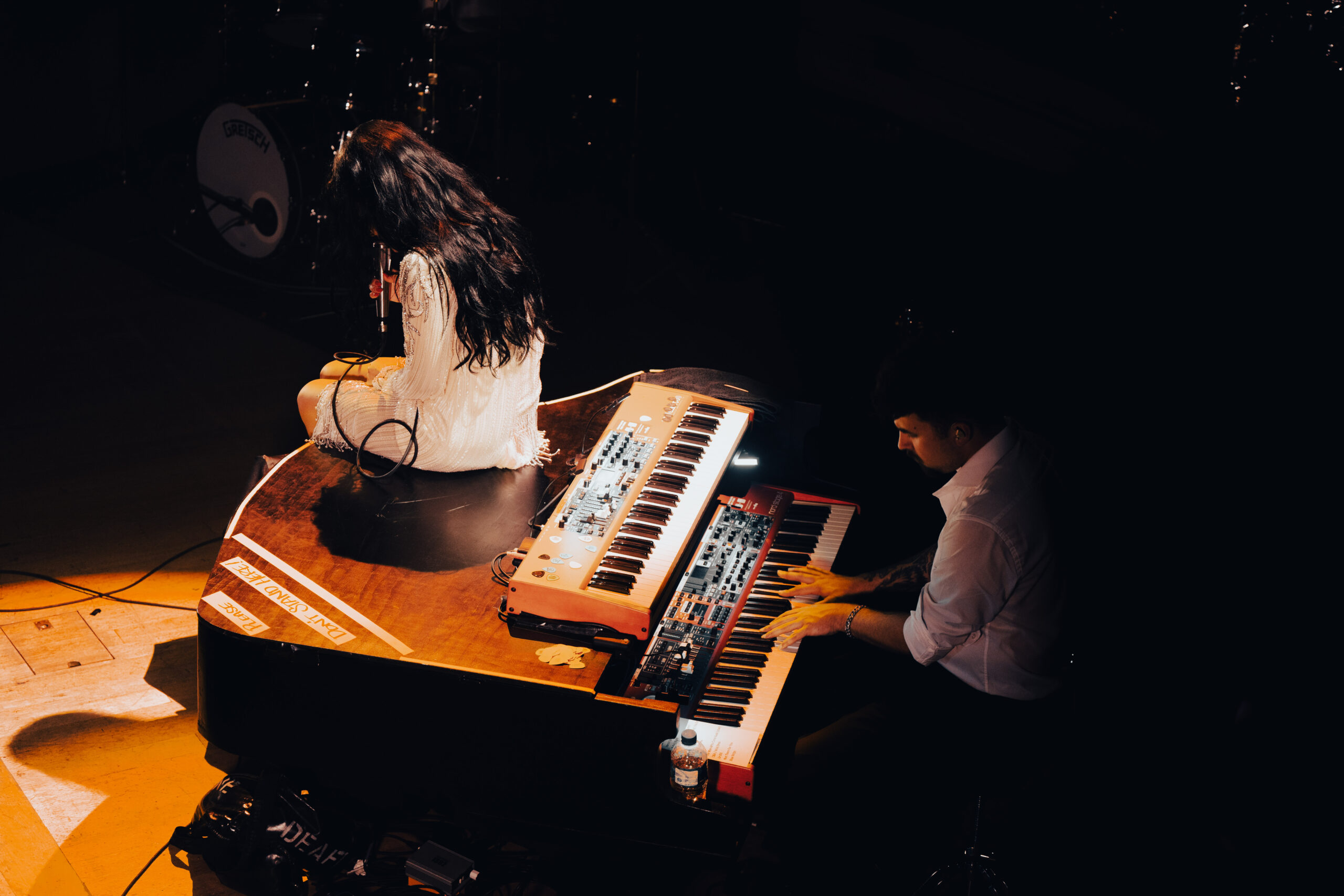
When Jessie leaned into I Like How I Look, the stage washed over in deep blue. She crossed her legs and perched on the piano’s custom-built three-step platform, a picture of poise and elegance. The crowd lost its mind. She told them, “I’m proud of you,” then climbed fully onto the piano and belted the highest note of the night—a razor-sharp reminder that she’s not just a social-media phenomenon but a powerhouse vocalist with technique to match.
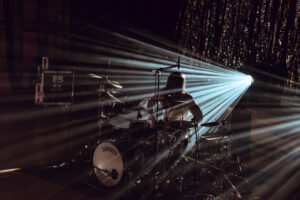
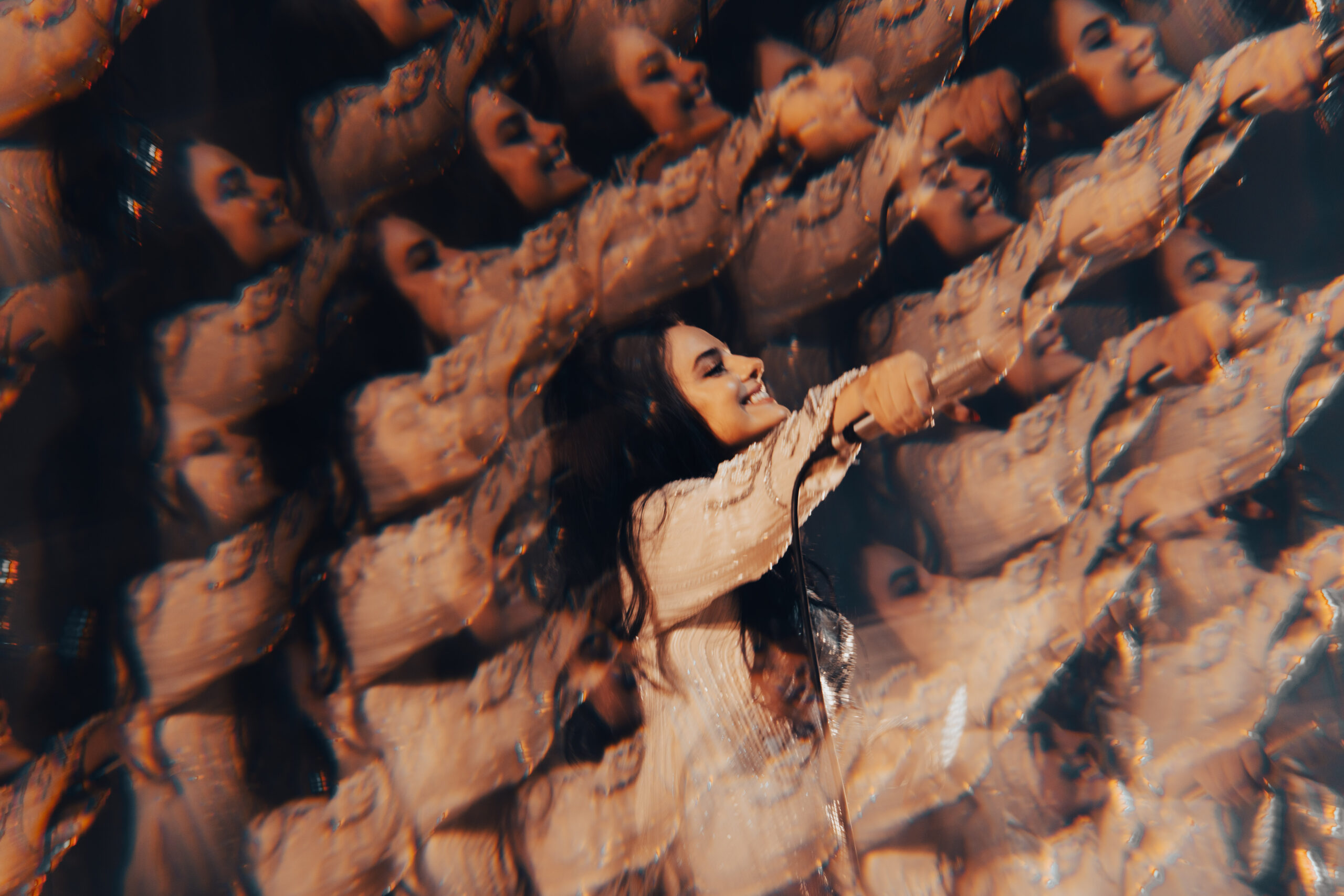
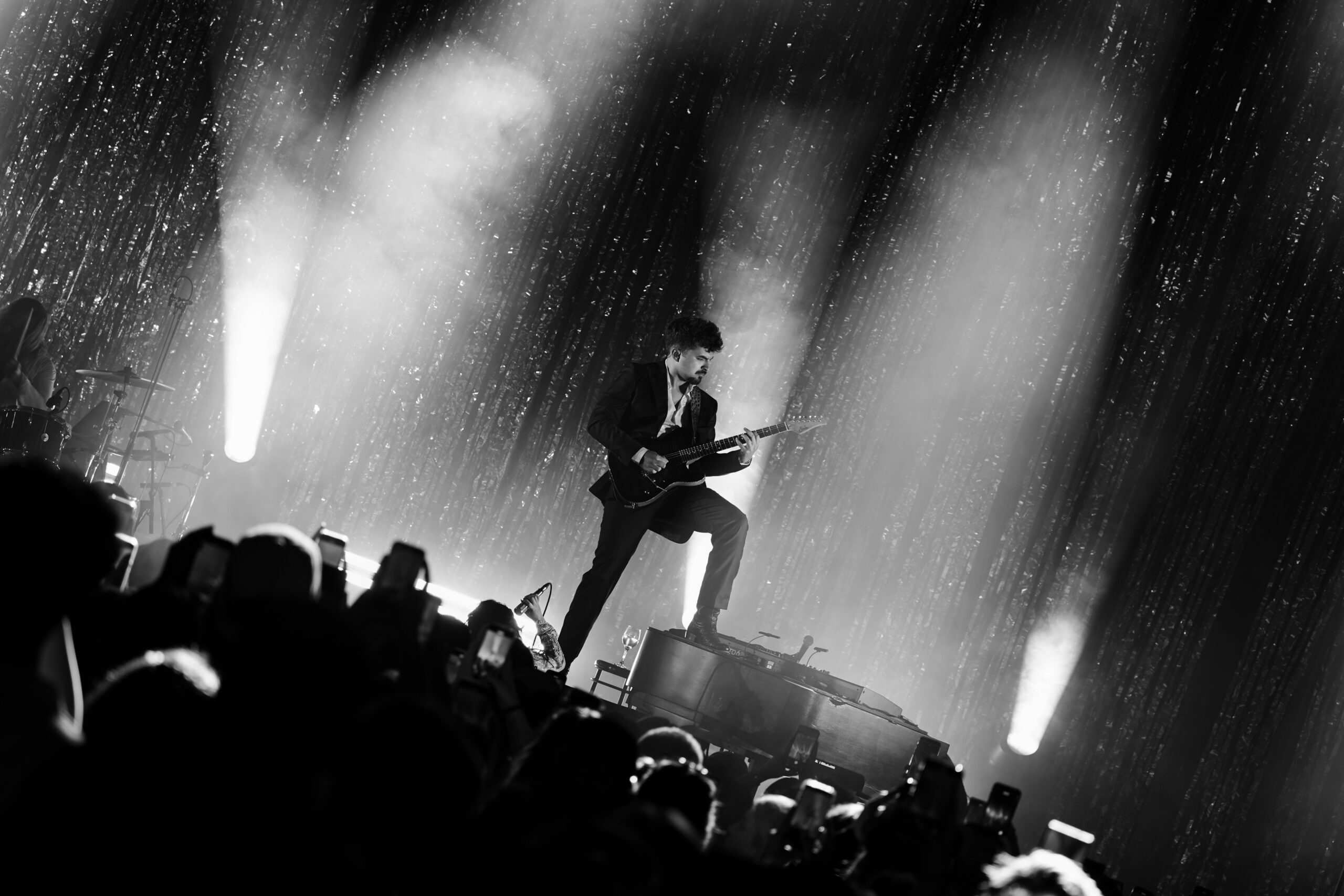
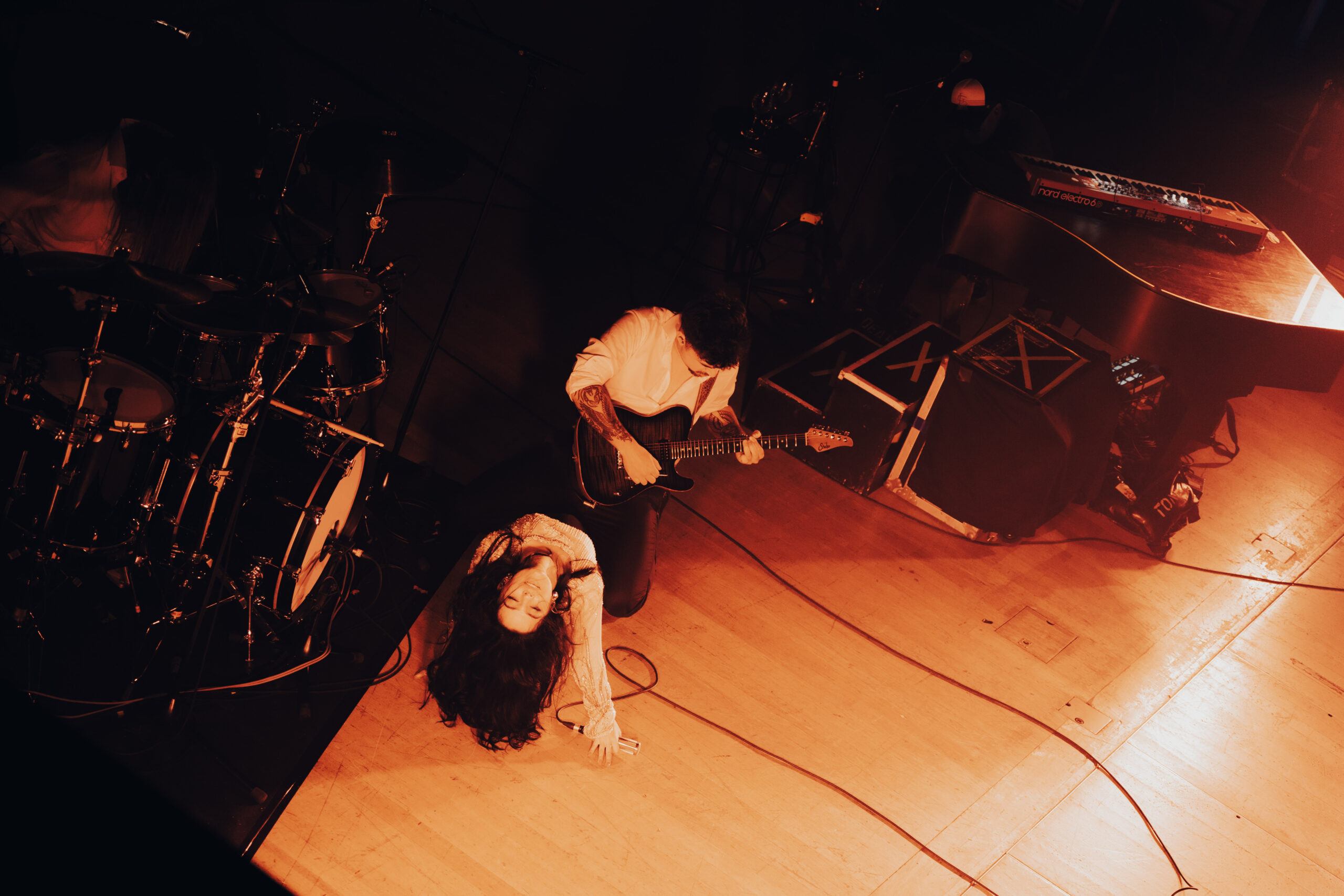
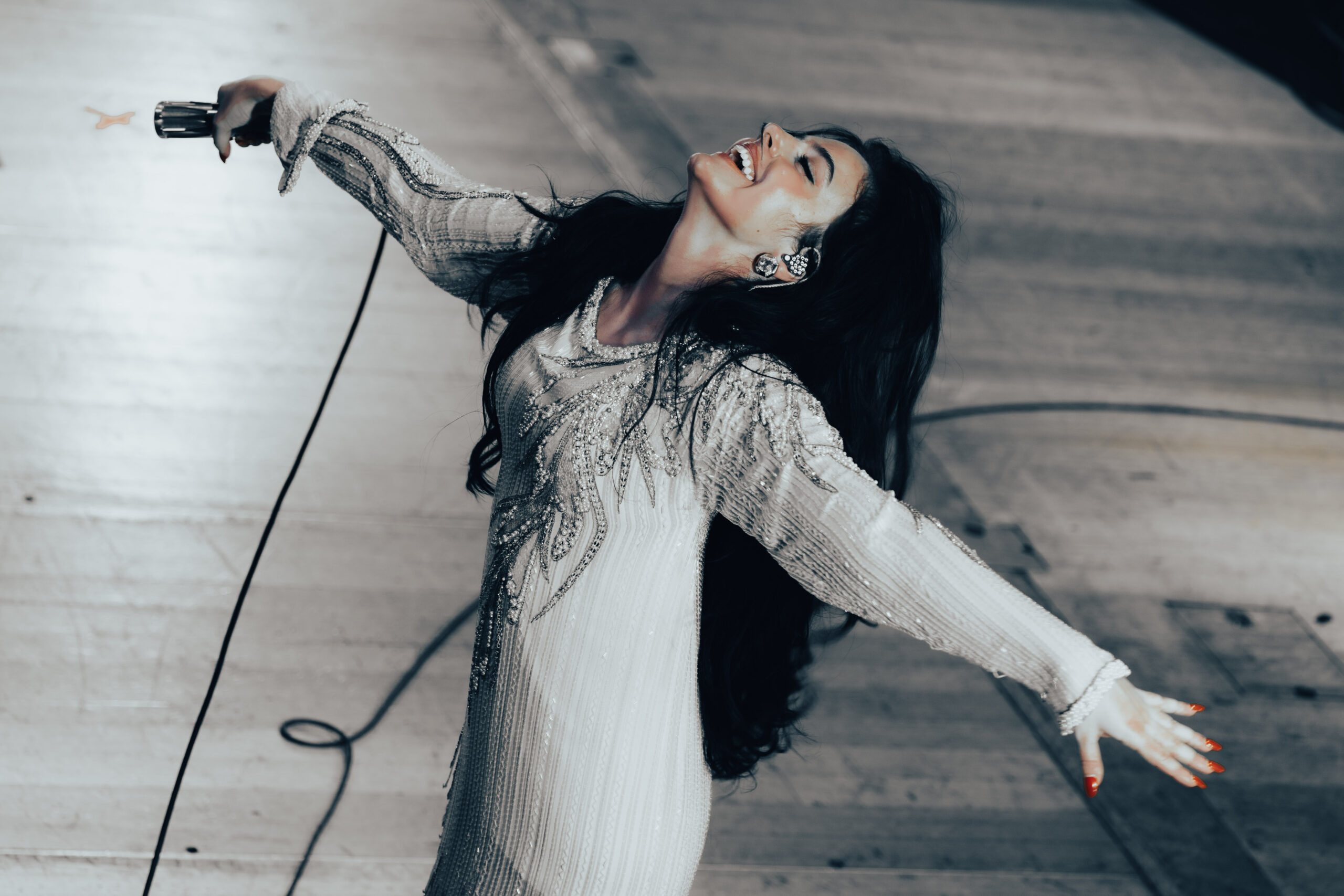
She greeted the crowd for the first time, shouting out New Zealand, before launching into the record’s defining track, Sex Hysteria. The response was instantaneous—a deafening, chest-shaking sing-along from every corner of the hall. Jessie handed her mic to the fans with no hesitation, letting them take the reins. Even Haven got caught in the surge, planting one foot on the piano, while Jessie dropped to her knees, arched back, and held the microphone high above her head. It was a frame-worthy moment, the kind that imprints itself into the collective memory of a tour. The show had hit its first true peak.
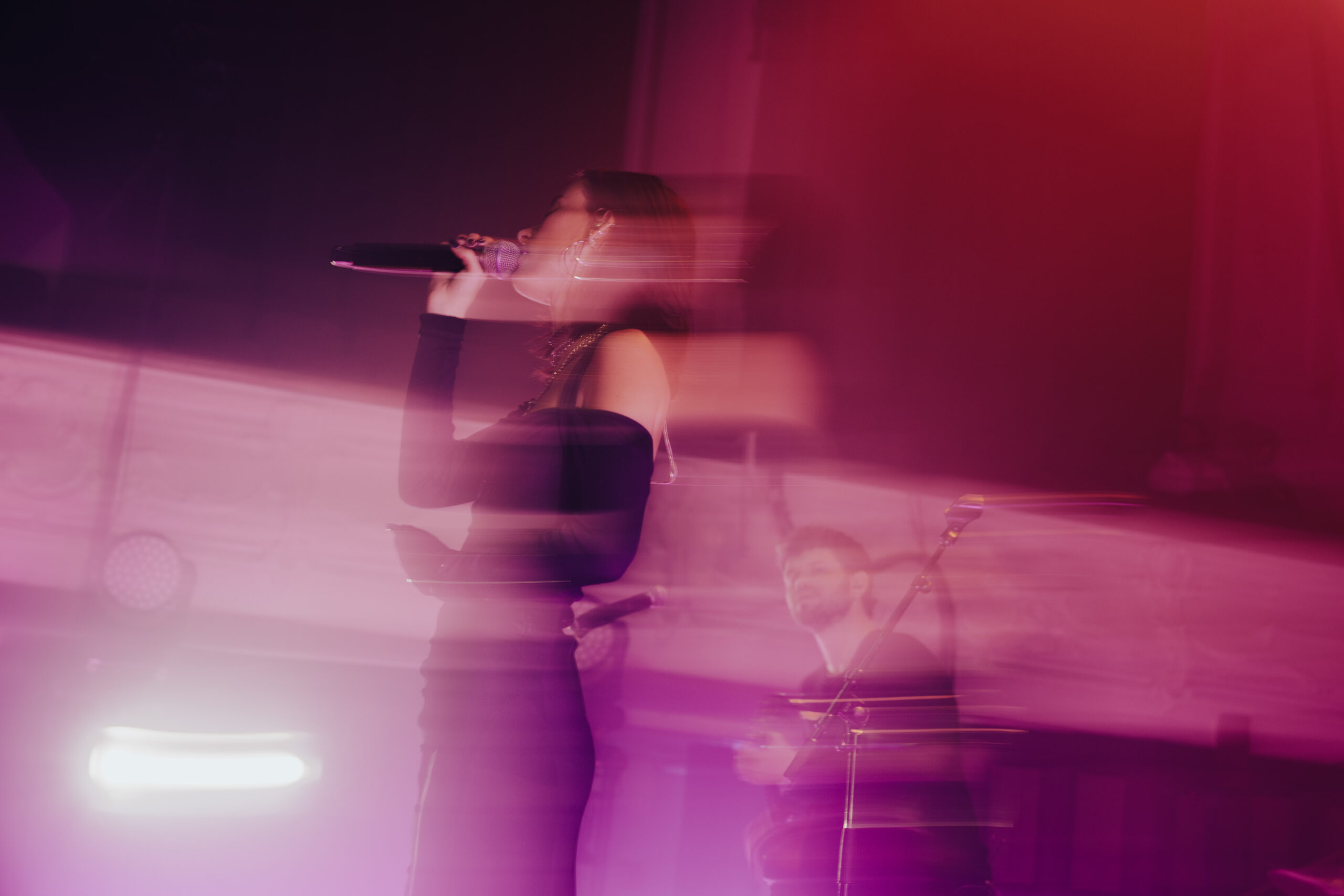
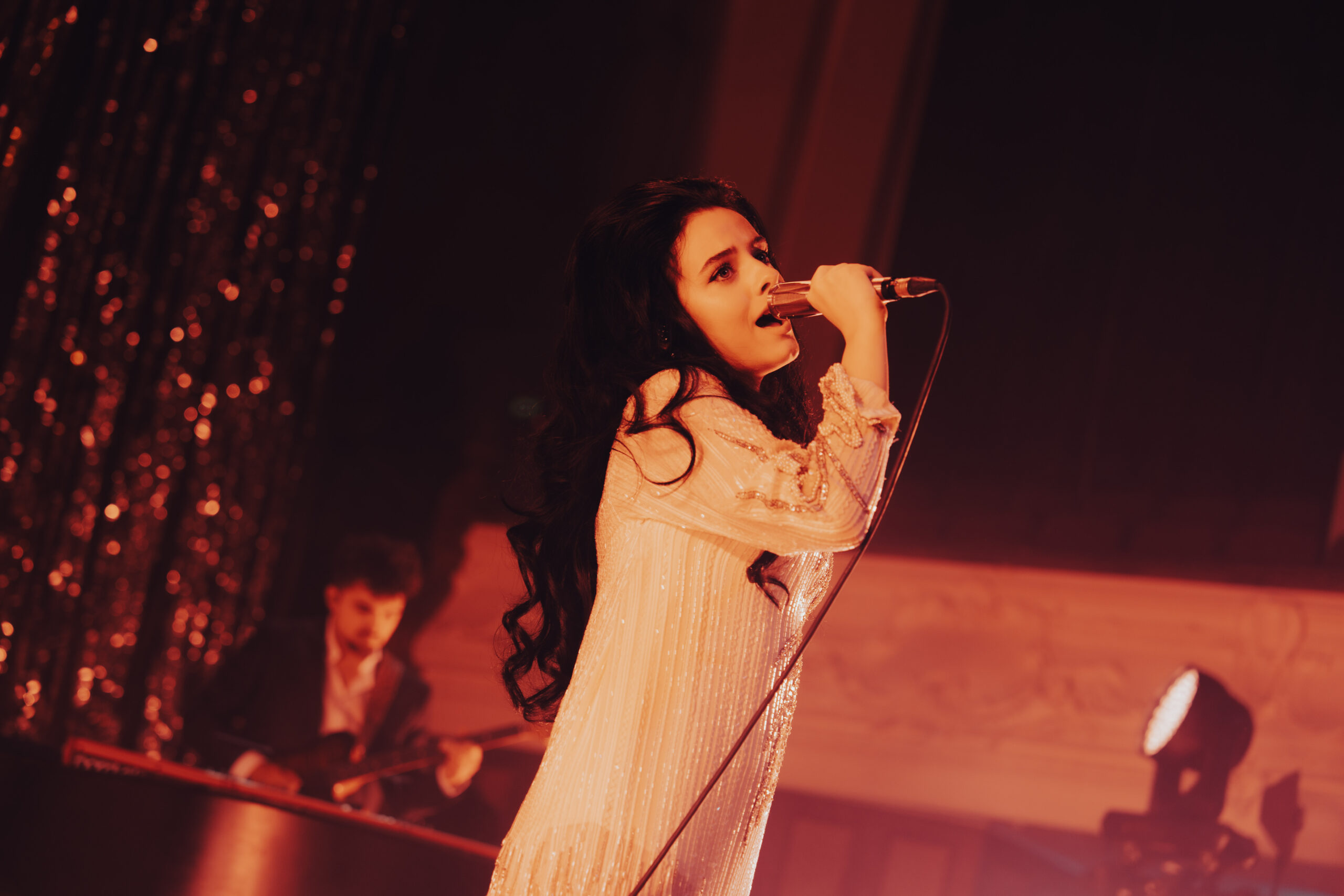
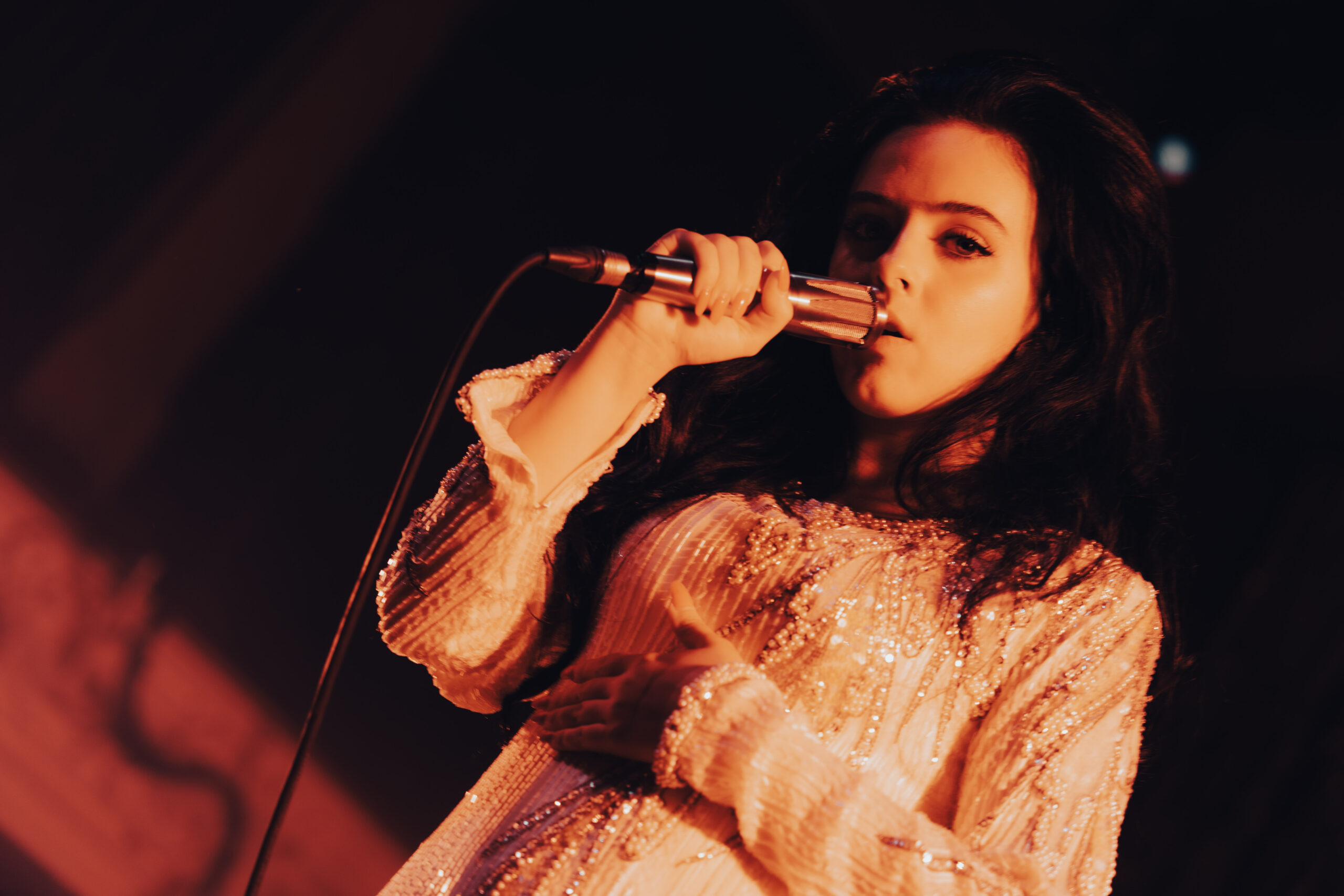
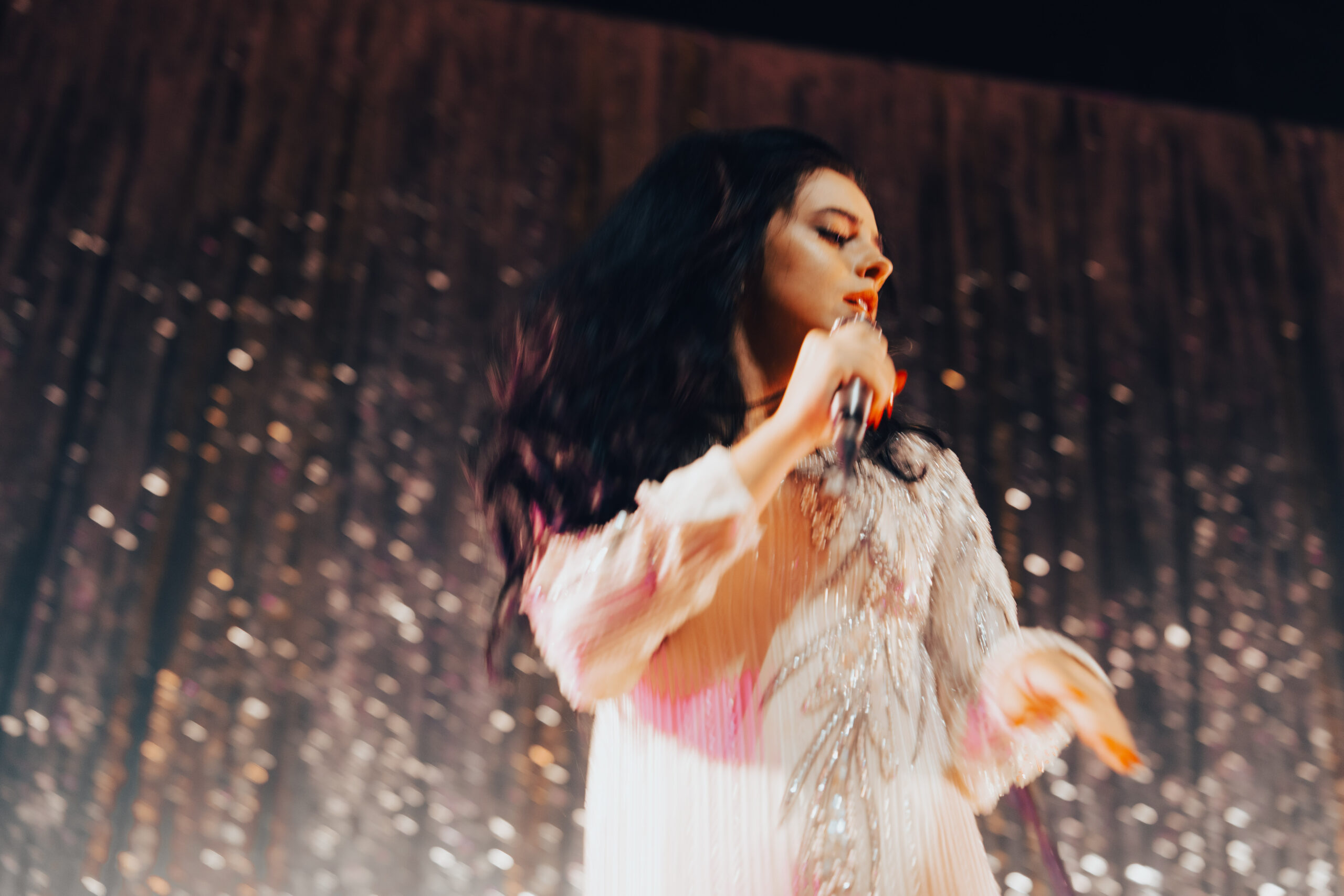
Then the stage fell black again, broken only by a single warm beam of light from behind. Jessie sat gracefully on the piano and eased into I Stay I Leave I Love I Lose, letting the softness reset the room. She followed it with Bad as the Rest, which opened with delicate piano lines before erupting into its stormy climax. The track showcased everything about Jessie’s voice that makes her so compelling—its rasp, its heat, its total command. She threw herself into it so completely that goosebumps prickled across my arms. Haven closed the song with the best guitar solo of the night, playing with such raw feeling that both he and Jessie ended the moment on their knees, facing each other as the room exploded in a sustained roar.
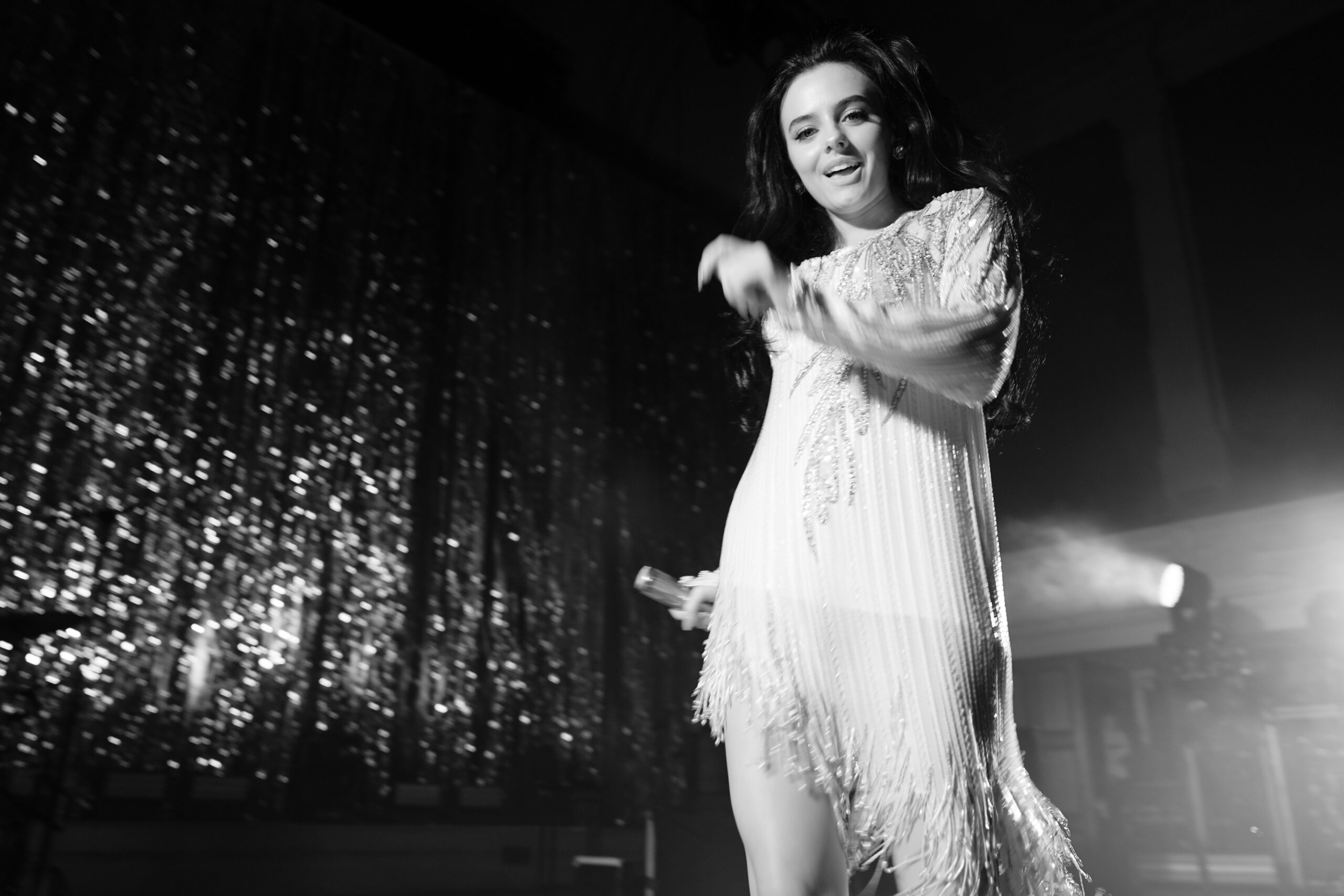
After that song, Jessie finally paused to introduce her band. She reminded the crowd that this night marked the last stop of her Australia–New Zealand run—“not easy,” she admitted, “but worth every second.” Then she added something surprisingly tender. She told the audience that everyone in the room was here because they shared something in common. She asked them to turn to their neighbors and say hello. The lights came up, and suddenly Auckland Town Hall felt like a giant living room—people smiling, greeting strangers, bridging the space between rows. It was the warmest moment of the night.
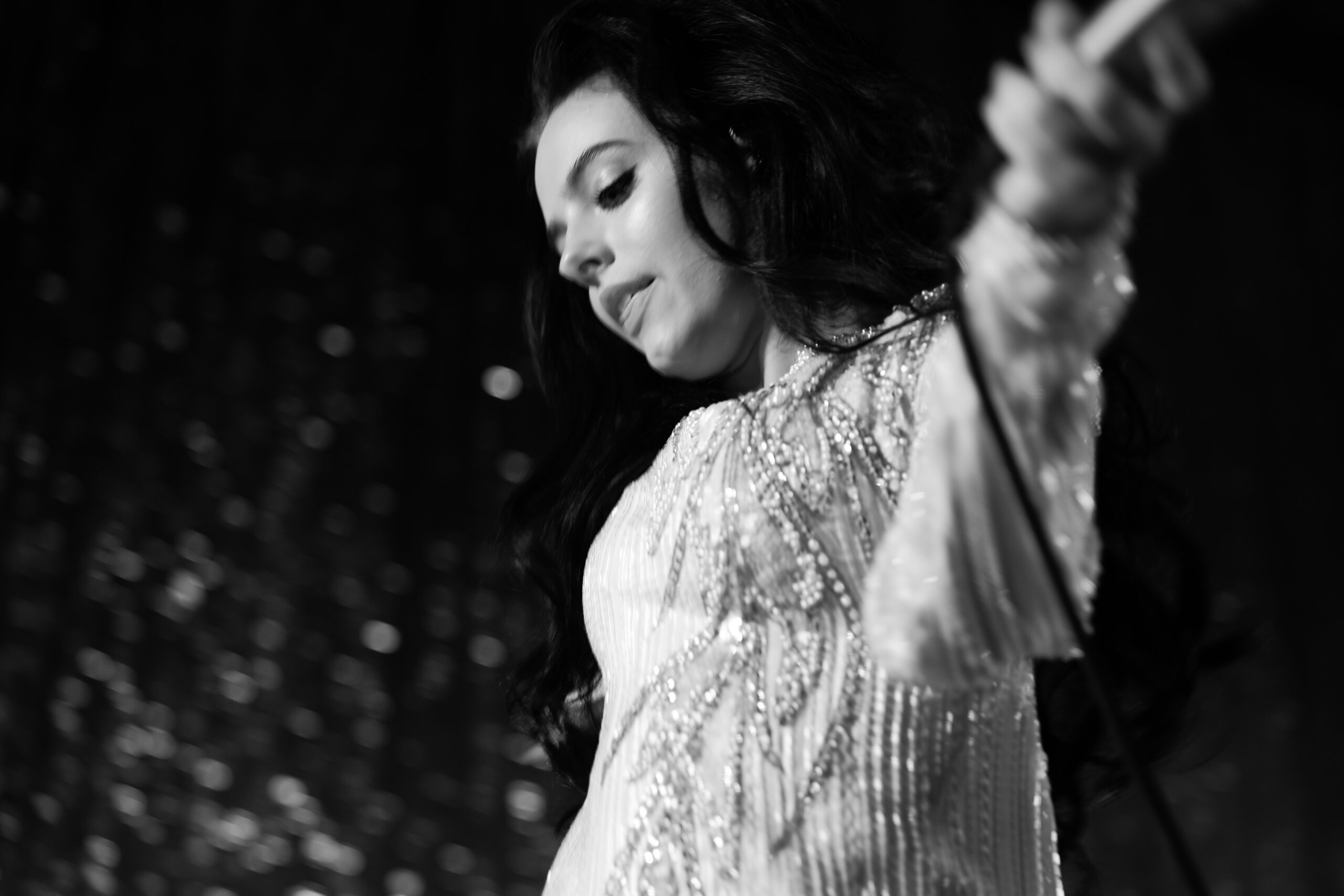
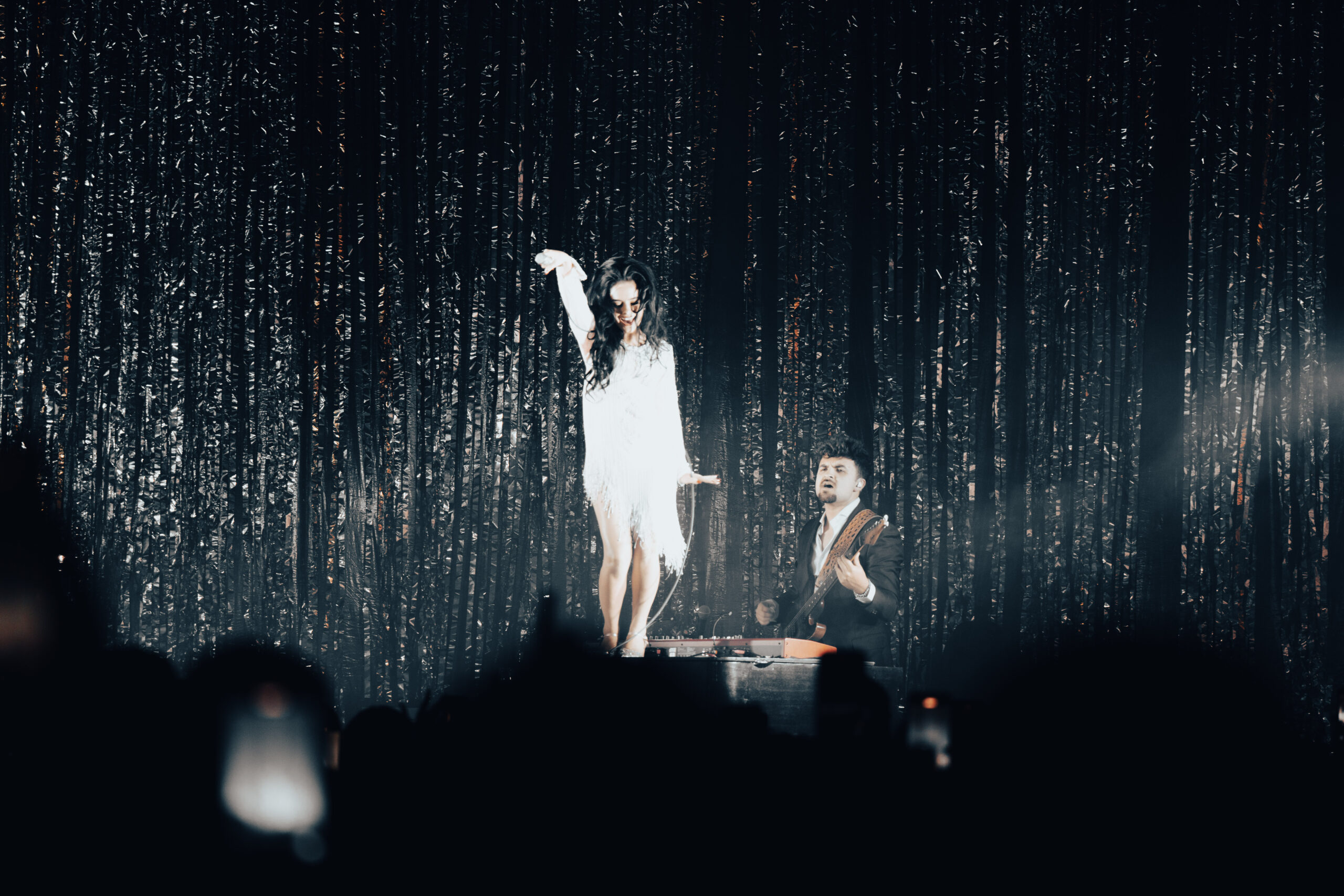
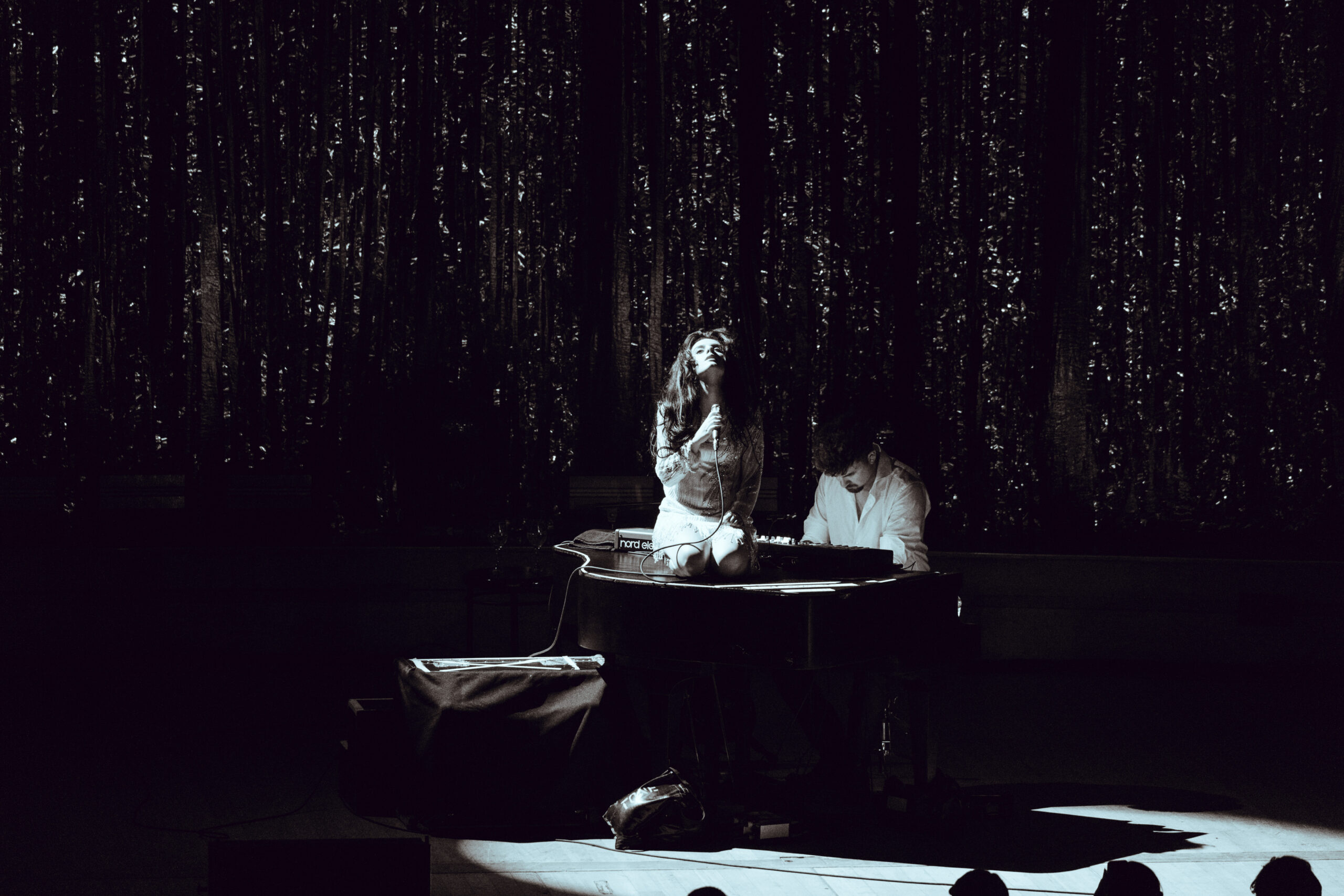
Before the next track, Jessie confessed it was her favorite song she’s ever written. It’s about “someone you want to leave but always come back to—love that feels like heroin,” she said. And then she proved once again why her voice is impossible to replicate. Raw emotion poured through every note. She stood on the piano, her shape glowing in the stage lights, and when the song hit its peak, she dropped to her knees, leaned her head back, completely lost in the moment. I was lucky enough to capture the moment. She looked like a still frame from a timeless painting. The show surged into another emotional high.
With no drums and only sparse accompaniment, she shifted into Pray and If I Died Last Night. The atmosphere changed instantly. Both tracks come from her 2023 album Drowning, and you could hear the more delicate R&B inflection in her earlier writing—less explosive, more introspective. It was a reminder of how far she’s come, and how many versions of herself she’s already lived through.
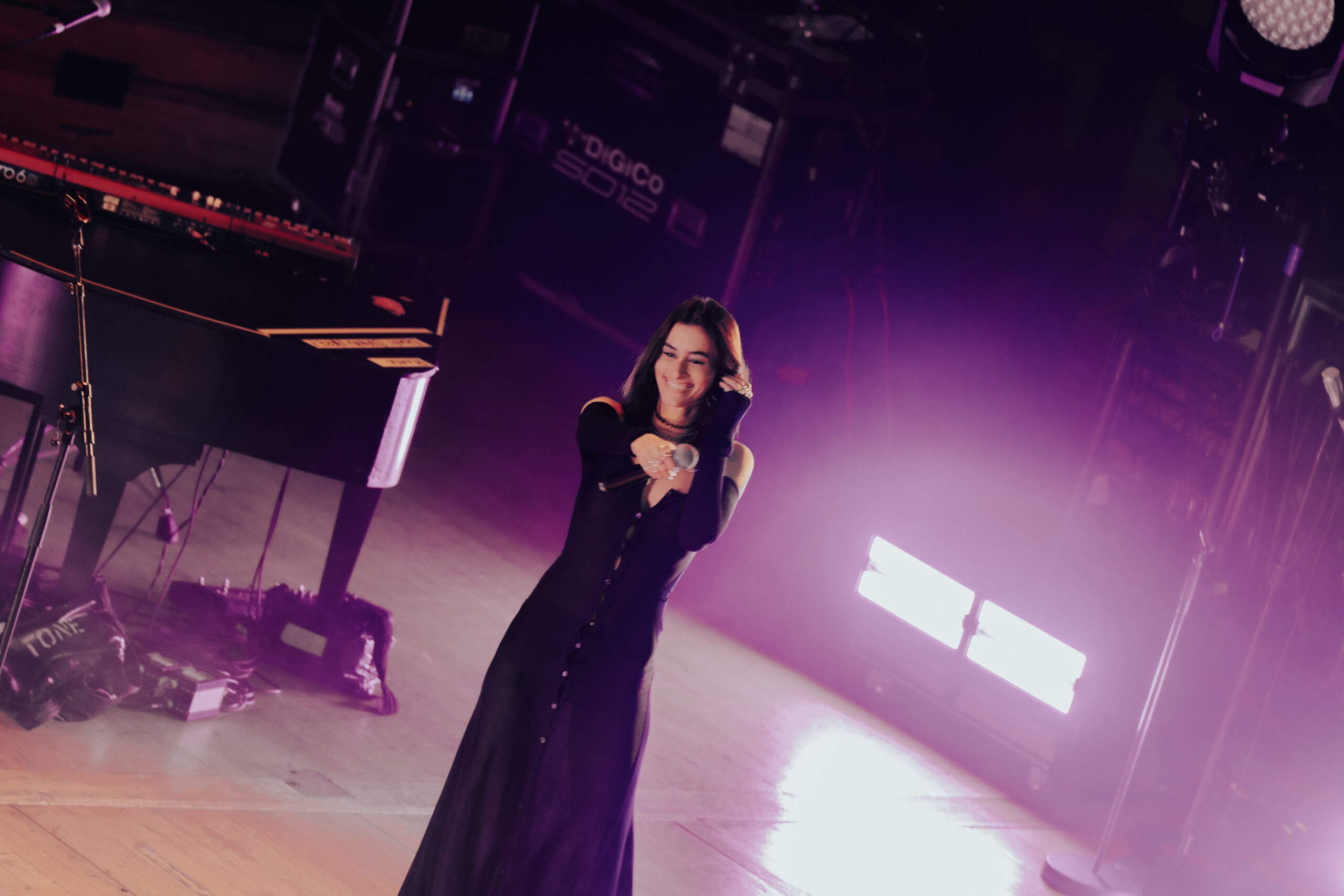
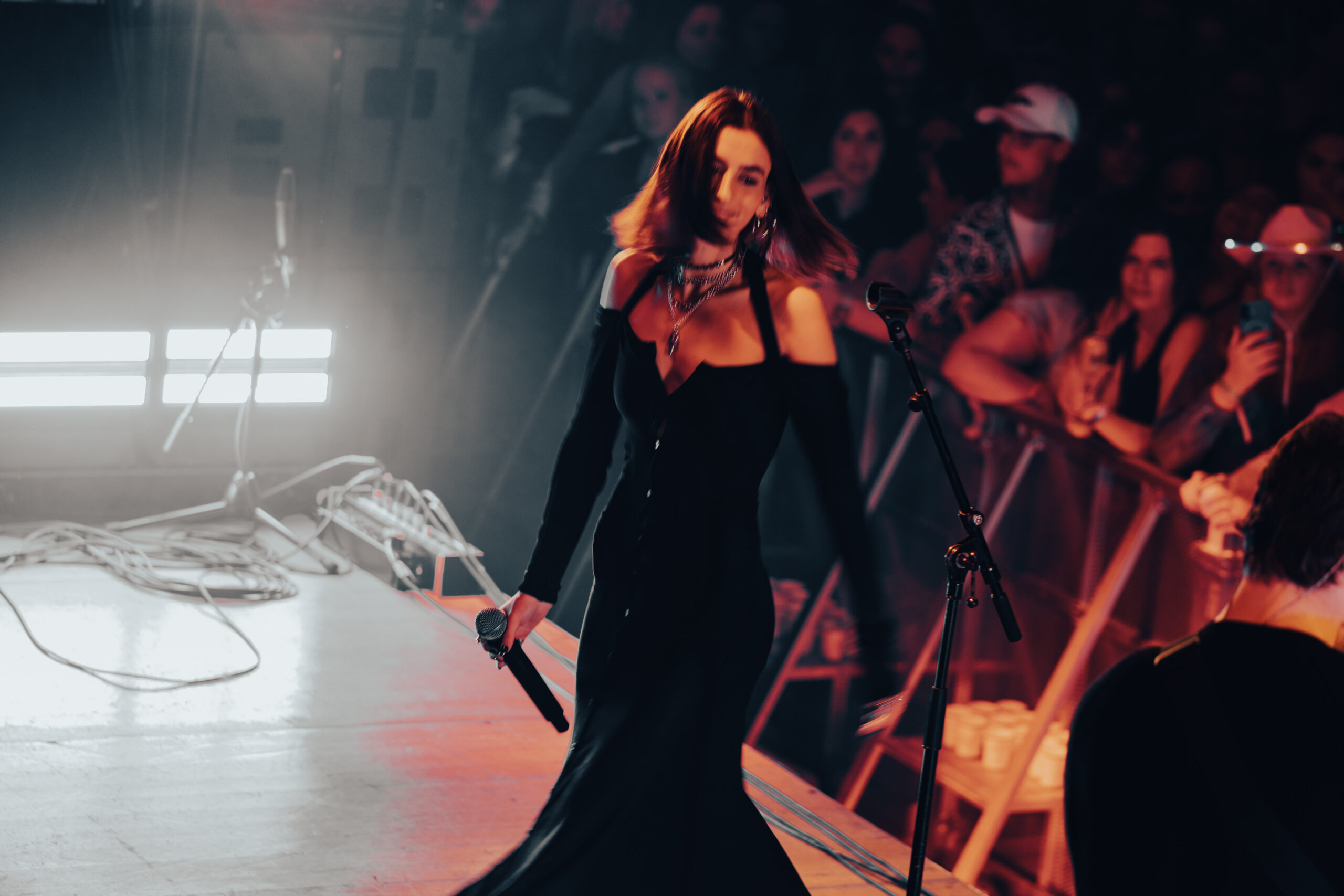
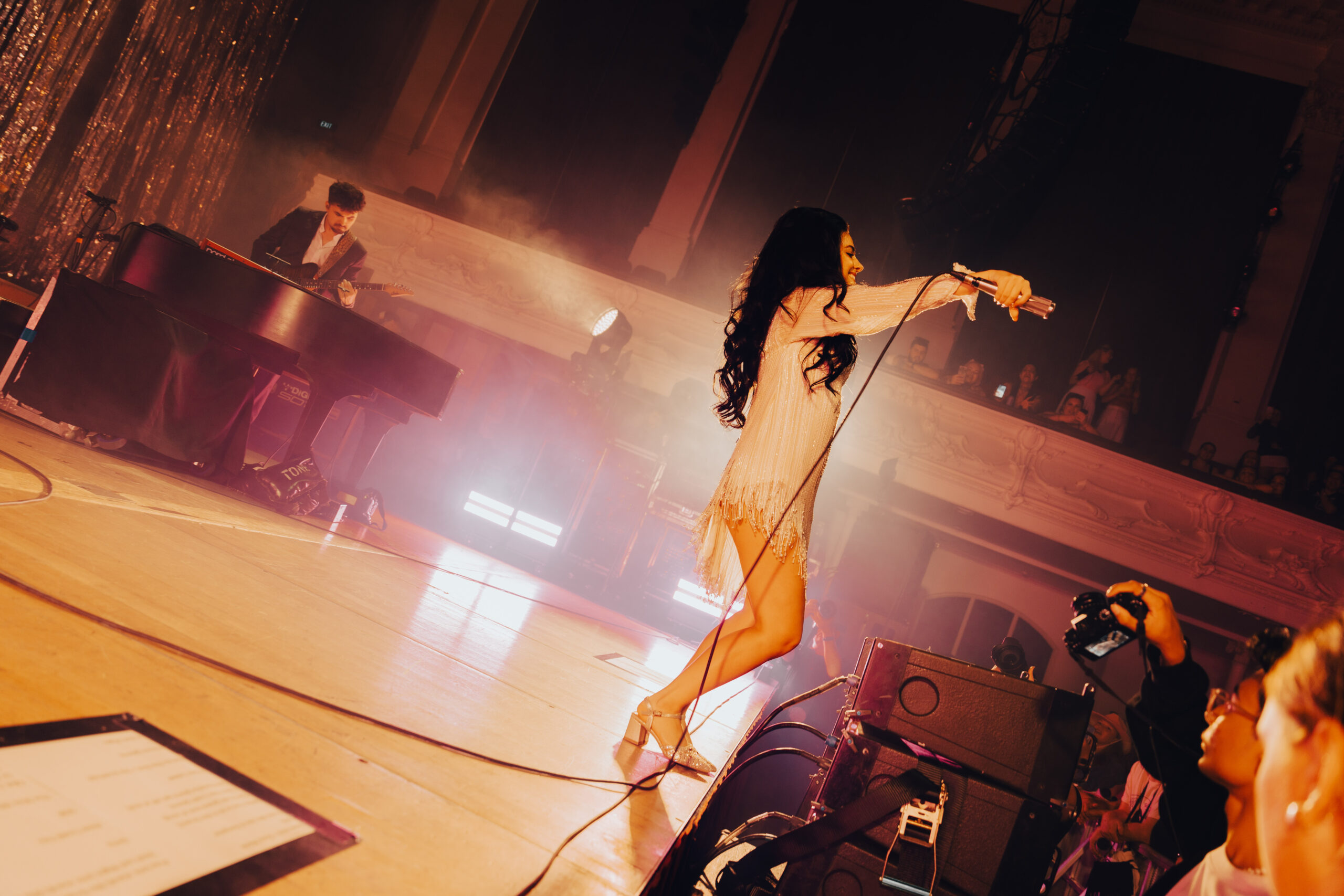
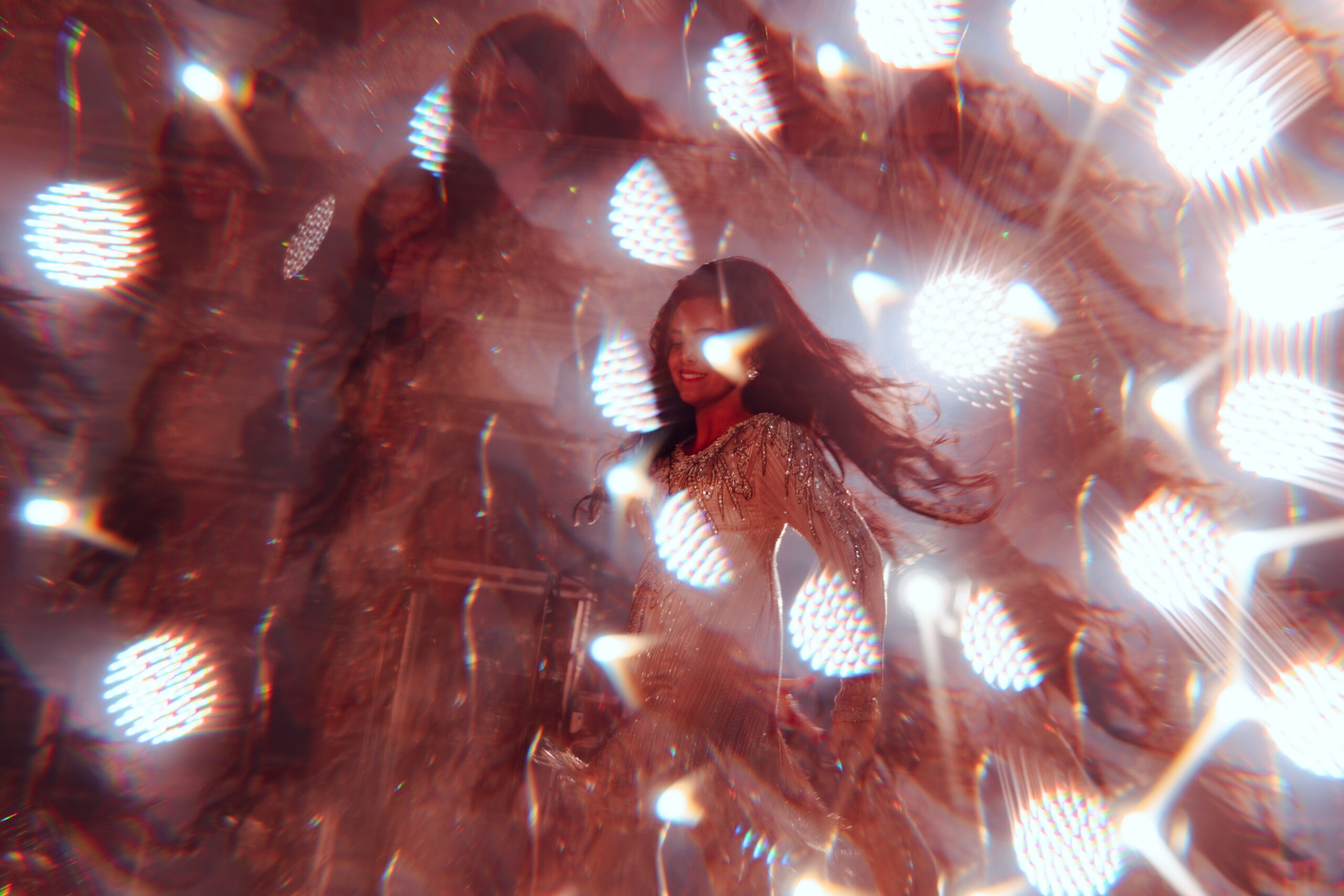
Then the microphone stand was whisked away, and she eased into Dirty, another slow burner. Soft white spots floated across the audience like drifting snow, illuminating every face until the hall looked bright as day. It was mesmerizing. Jessie could see everyone clearly now, and she smiled as she held out the mic toward the crowd for yet another massive sing-along.
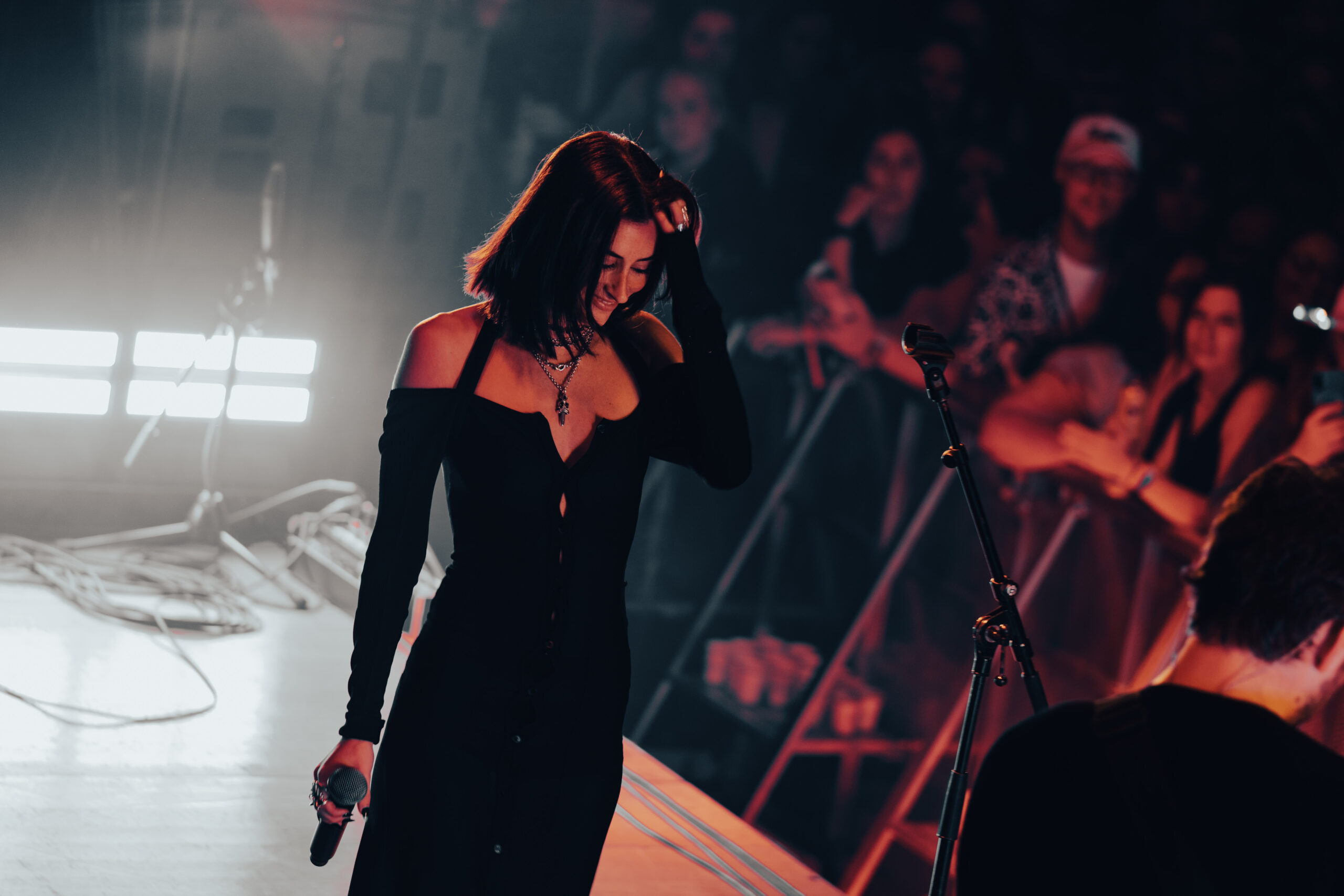
Before the next song, she spoke for a long time. She said this one might be the most personal track she’s ever written—so personal she didn’t want to put it out for a long time. It was born from her struggles with anxiety and the “demons” she fights internally. The song was Sobriety. It spelled out her fear, her chaos, and the gradual climb out of it. In the final passage, her voice shifted from gritty to soft, a transition only she can pull off. It was a moment that showed, once again, just how much power she holds as a vocalist.
The next song, also from the new album, was The Man That Came Back, perhaps the most devastating moment of the entire night. Unlike many of the tracks that deal with love and relationships, this one cuts far deeper. It lays bare Jessie’s childhood and her memories of a father who drank, raged, and left lasting scars. The honesty of it was overwhelming. The hall fell into a heavy silence—everyone locked into her voice, into the hurt she was willing to show without flinching.
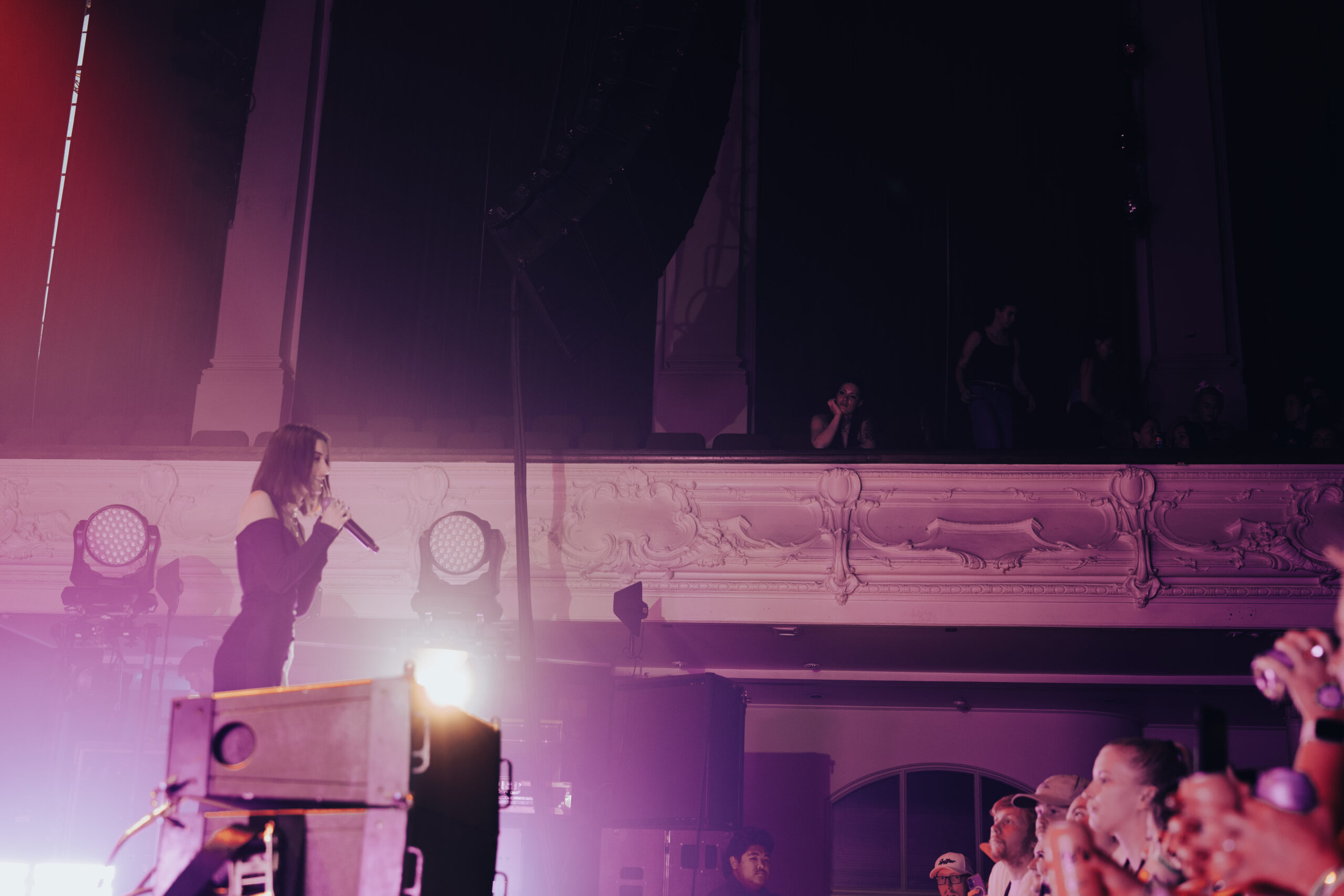
In the middle of it, there was a small, almost fragile moment. Jessie lifted her eyes toward the balcony and caught sight of me with a 200mm lens pointed at the stage. For a second, she slipped out of the song’s darkness, smiled, and gave me a quick wave. Sorry I missed the shot—just like I missed a couple of heartbeats.
After firing off a sharp, breathless rap to finish Ur Bill Is Big as Fuck. Then she told the crowd they’d reached her final song of the night: Blue Strips. Jessie wrote it when she was 17, posted it on TikTok, and then forgot it even existed—until it exploded. She had, without a doubt, saved her biggest weapon for last. The track now holds 170 million Spotify streams and became her highest-charting single on the Billboard Hot 100, peaking at No. 15. Jessie has admitted in interviews that she wrote it in just ten minutes, a detail that says everything about her instincts as a songwriter.
The night closed with the entire hall singing along. When the lights came up, Jessie waved goodbye—no encore, and none needed. On the final stop of her tour, she’d already poured out everything she had. No one walked away feeling shortchanged.
Two years ago, at 18, she arrived in New Zealand with her debut album and played the Powerstation. Now, two years later, she’s returned with a new record and filled Auckland Town Hall, each step feeling carefully earned. Tonight proved again that her rise is built on real talent, not hype.
Next time, the stage will be bigger. Spark Arena is waiting for her. And judging by the look on her face as she took her last bow, she’ll be ready. We’ll be waiting too. And we all know that her next visit won’t be far away.
Ming Lyu
Click on any image to view a photo gallery by Ming:
Jessie Murph:
Stella Lefty: