
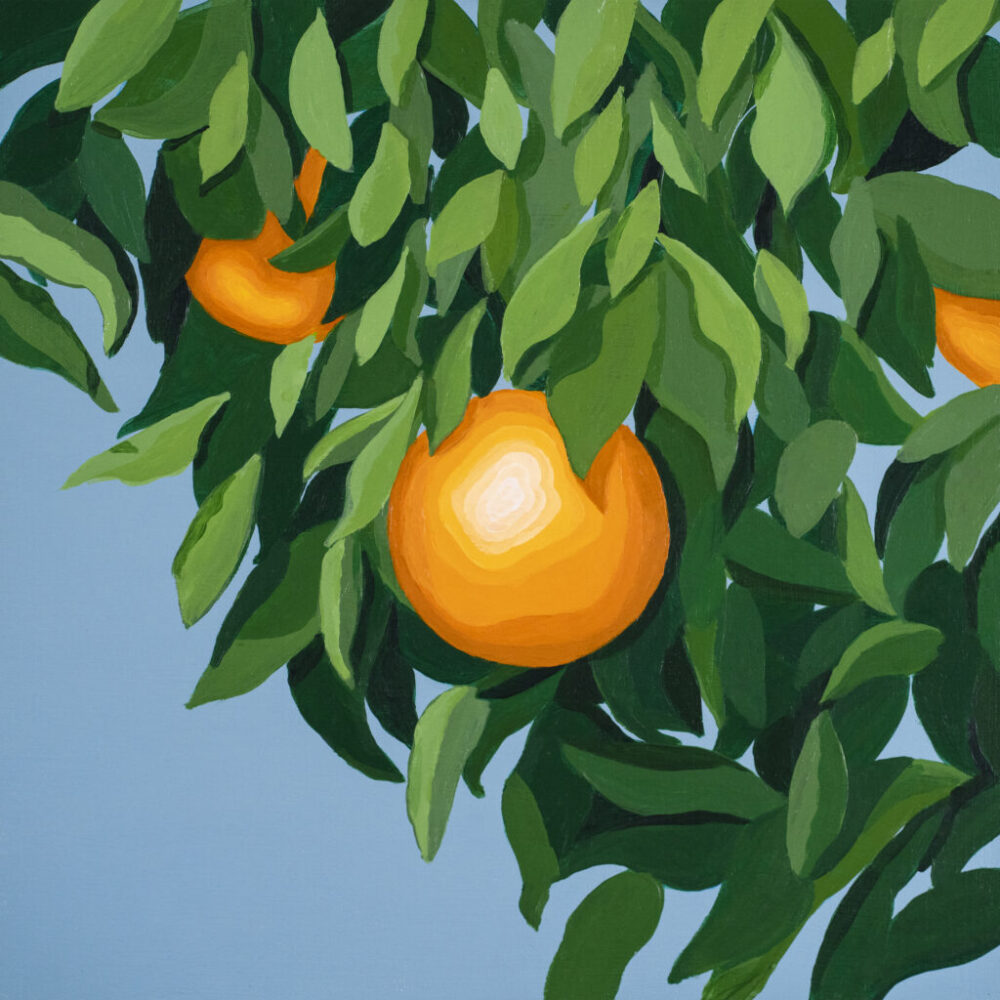
Tyler Ballgame – For the First Time, Again (Rough Trade) (13th Floor Album Review)
For the First Time, Again, Tyler Ballgame’s debut album draws you in slowly and patiently on the strength of a voice that feels both exposed and assured, with production that knows when to step back.
It sits close in spirit to classic rock and singer-songwriters of the late 60s and early 70s built around tone, phrasing, and emotional proximity. The album puts its trust in the power of a voice and shapes the songs around it.
Tyler Ballgame is the stage name of Tyler D Perry, drawing on “Ballgame”, the nickname of venerable Boston Red Sox player (Ted Williams), and chosen deliberately as a kind of mask. Ballgame has spoken about the freedom the name affords him, a way of stepping into performance while revealing more rather than less of himself. That tension between persona and exposure runs through the album. Now based in Los Angeles after years of uncertainty and self-doubt, Ballgame has taken time to arrive at these songs, and that lived-in sense runs through the record.
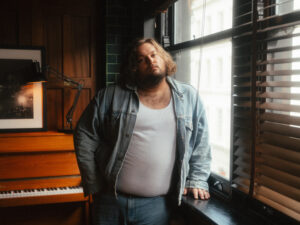
The album was produced by Jonathan Rado and Ryan Pollie, and their collective sensibility is central to its aesthetic. Rado’s work with The Lemon Twigs and Weyes Blood brings analogue warmth and melodic clarity, while Pollie’s experience with Los Angeles Police Department lends restraint and emotional economy. Recorded largely live, the production keeps the instruments close and tactile, preserving the sense of musicians playing together in real time. Guitar, bass, piano, organ, saxophone, and percussion are used carefully to create intimacy and a sense of closeness between the songs and the listener.
The title track For the First Time, Again opens with a gently strummed acoustic guitar, closely locked to the drums. A steady groove is established before Ballgame’s voice slides in, soft-edged and thoughtful. As the song unfolds, the arrangement subtly responds to his phrasing, allowing the vocal to climb into a higher, Jeff Buckley-esque aching register before settling back again. The song fades to little more than a snare drum, signalling the album’s preference for understatement.
I Believe in Love introduces a brighter surface and a quicker pulse, though the confidence feels deliberately tentative. Ballgame stretches syllables and leans into pauses, as if using the act of singing to reassure himself. The refrain feels slightly unstable, and the line “Was it so naïve to think it wanted me alive?” leaves the listener with uncertainty rather than resolution.
That vulnerability deepens on You’re Not My Baby Tonight, a slow, piano-led ballad where the arrangement gradually pares back to single notes before the rhythm subtly changes, loosening the song’s emotional footing. Ballgame’s voice here leans fully into its Roy Orbison-like qualities, expressive without tipping into melodrama.
Matter of Taste brings looseness and swagger, with guitars, drums, and brass punctuated by dramatic stops and restarts. The repeated plea “Baby baby give your love to me” hovers between desire and demand. It’s a moment of outward push, where desire is voiced directly rather than filtered through reflection.
The mood softens again with Sing How I Feel, where Ballgame drops his voice to a near murmur before lifting it in brief, impassioned bursts. Goodbye My Love follows, slow and heavy-hearted, its close-miked instrumentation enhancing the sense of emotional proximity. Ballgame sounds reflective rather than devastated, as if narrating the aftermath rather than the moment itself.
Got a New Car’s warm, chiming guitar suggests optimism, but the lyrics quickly undermine that feeling. The self-reference “Tyler Ballgame got his hopes up” punctures the fantasy, while lines about cult fame, status, and legacy sit uneasily alongside “You know I love it when you lie to me.” Shifts in texture and tone build toward a discordant ending that never quite settles.
The closing stretch continues to deepen the album’s focus on voice and emotional perspective. Ooh drifts on a gentle shuffle, the voice floating above the rhythm. Down So Bad injects urgency, guitars and drums surging in response to the vocal. I Know pulls back again, warm and swaying, while Deepest Blue leans into chamber-pop textures, its piano embellishments enhancing the song’s emotional ambiguity. The album closes with Waiting So Long, a loose, early 70s flavoured full band groove that feels quietly affirmative rather than triumphant.
Ballgame’s high, clear tenor carries vulnerability without indulgence, recalling early John Grant solo work in its balance of openness and control. The production understands this completely, framing rather than competing with the vocal. It may not chase scale or reinvention, but For the First Time, Again leaves its mark through tone, phrasing, and a singing presence that commands attention from the first moment and sustains it.
John Bradbury
For the First Time, Again is out today via Rough Trade Records
