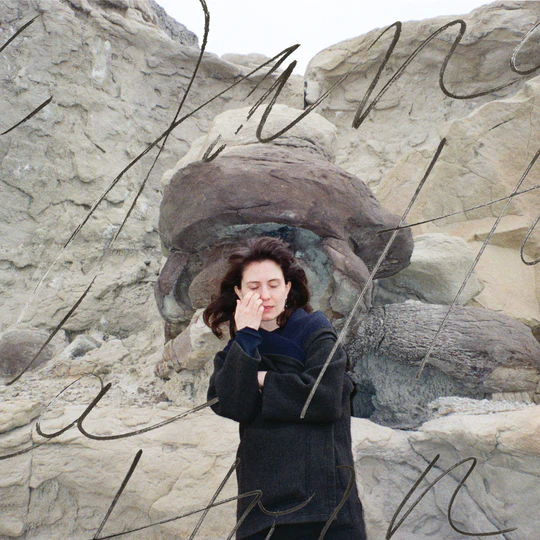
Jana Horn – Jana Horn (No Quarter) (13th Floor Album Review)
Jana Horn’s decision to self-title her third album lands with the quiet assurance of an artist settled into her sound.
Throughout the album, the Austin-based songwriter sings sparingly and carefully, trimming the music back to restrained guitar, bass, and drums, with touches of woodwind and synth, and trusting space to do much of the work. These songs land composed, observant, and emotionally exacting. It is folk music guided by clarity, restraint, and self-possessed confidence.
The album opens tentatively by design. Go On, Move Your Body drifts in on a slow, ominous pulse, Horn’s gentle vocal carried by lightly tapped drums and bass notes that hang rather than propel. The track introduces both the sound of the record and the way it asks to be heard. Momentum is withheld, and meaning accumulates through what is not played as much as what is.
That approach sharpens on Don’t Think, where strummed guitar establishes a melancholic sway and each touch of the snare is clearly audible. Horn’s voice sighs through the spaces, the line “just because it is easy” landing with soft inevitability. You hear every note and every change in velocity, as though the song is constantly recalibrating its emotional weight. All In Bet continues this circling motion, its almost jazzy drift reinforcing the album’s refusal to settle into familiar folk shapes.
At the record’s centre, Horn leans further into restraint. Come On unfolds slowly, vocals echoing into open space, emphasised by solitary notes. The song is reflective rather than narrative, each guitar strum suggesting thoughts held back. There is no dramatic turn, no catharsis, only a sense of time passing deliberately.
Love briefly brightens the palette. Guitar tones lift, cymbals shimmer, and Horn’s vocal opens out without losing its intimacy. You hear fingers sliding along the fretboard, the physicality of the performance drawing the listener closer. It is louder than what has come before, but its impact lies in contrast rather than volume, a reminder that even small shifts can feel significant within such a carefully controlled environment.
That calm is reaffirmed on It’s Alright, where entwined guitar and drums create a steady base. The song’s simple structure circles back on itself, ending exactly where it began, with resolution quietly accepted. The effect is grounding, an emotional equilibrium reached through patience.

The album’s final stretch introduces subtle instability. Unused clicks into place on a drum beat, Horn’s soft vocal floating above a gently shuffling rhythm. As the bass becomes more prominent, the song gathers strength before leaving the listener suspended rather than resolved. Designer adds movement without urgency. Electric guitar chords, sliding bass lines, and slight rhythmic shifts create a sense of motion that never quite breaks the surface. The insistent hum beneath Horn’s gliding vocal hints at pressure without release.
On Without, a glowing guitar tone persists and Horn’s voice holds steady against the unease suggested by the line “if you believe.” The closing Untitled (Cig) is the album’s most unsettled moment. Slow and breathless, the lyrics lead the instruments rather than the other way around. Unstable woodwind notes introduce a final note of disquiet, the interplay between voice and bass creating a tension that lingers well beyond the track’s end.
Throughout Jana Horn, what stands out is the way these songs trust the listener, refusing to explain themselves or underline their emotional stakes. Horn’s voice is even, her writing observational, and the arrangements leave space for thought and contemplation. In an era that often equates intimacy with exposure, this album offers something more meditative: emotion without exhibition, clarity without emphasis, and songs that reveal themselves slowly, on their own terms.
John Bradbury
Jana Horn is out January 16 via No Quarter. Click here to pre-order