Opeth – Trusts Arena: November 14, 2025 (13th Floor Concert Review)
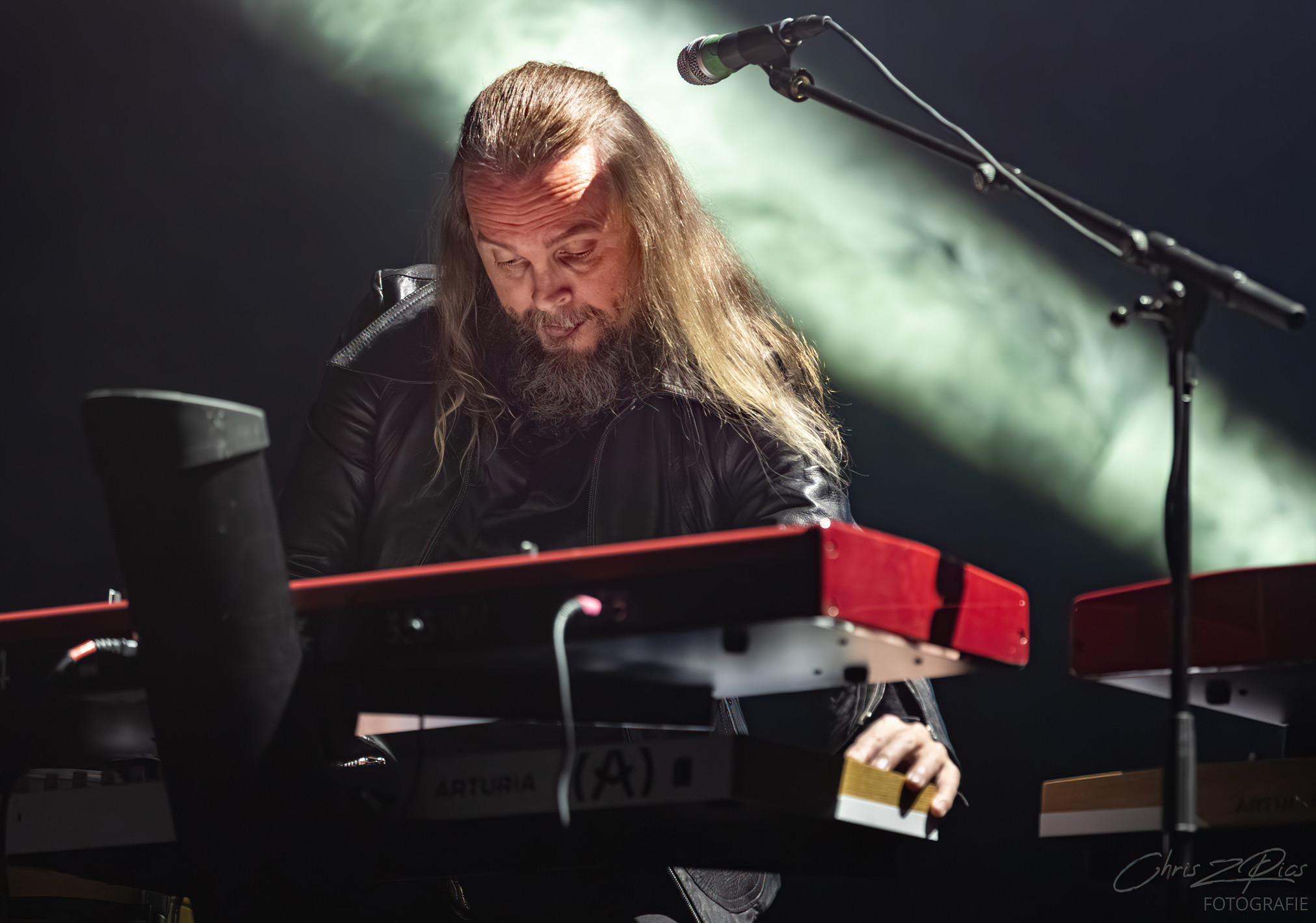
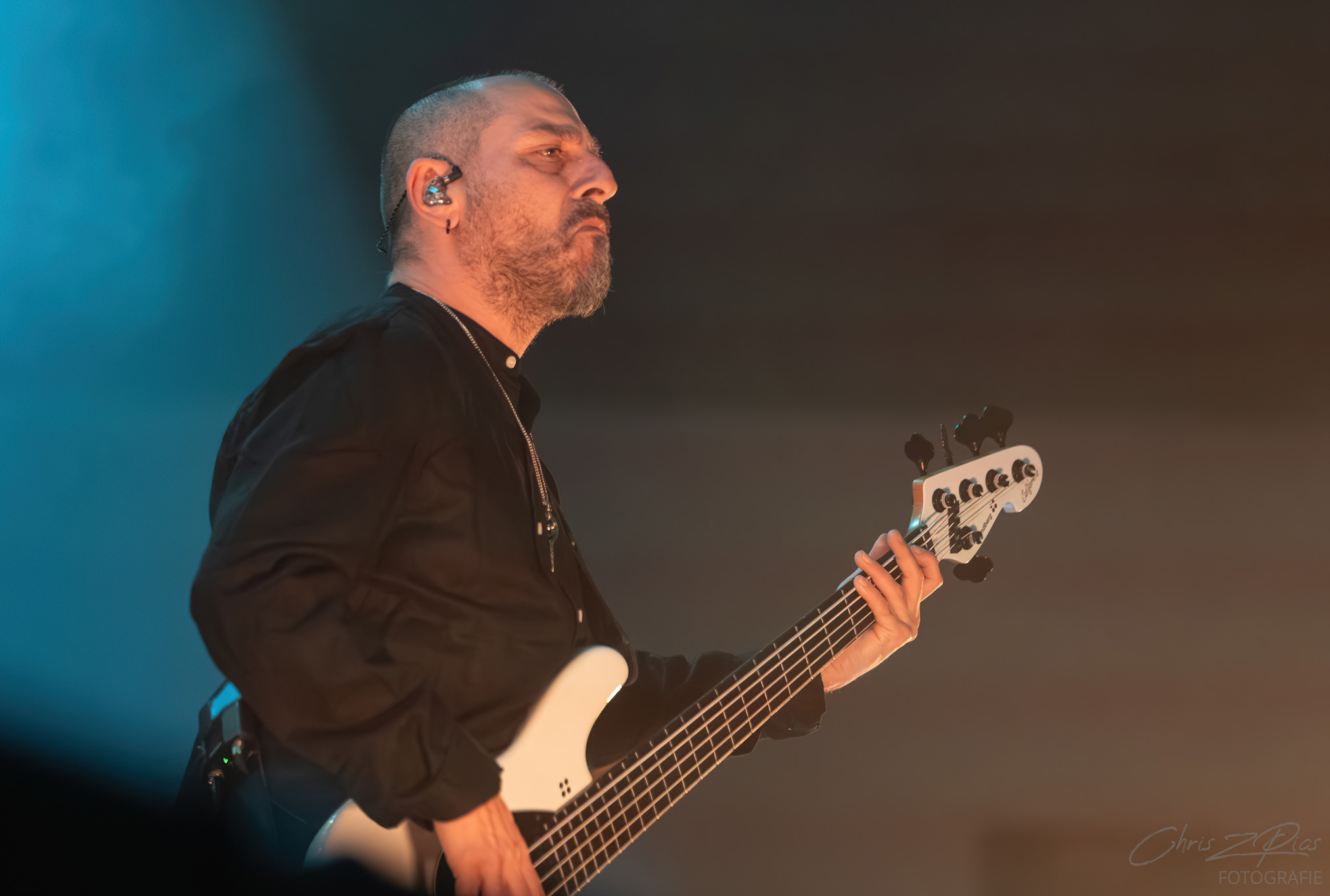
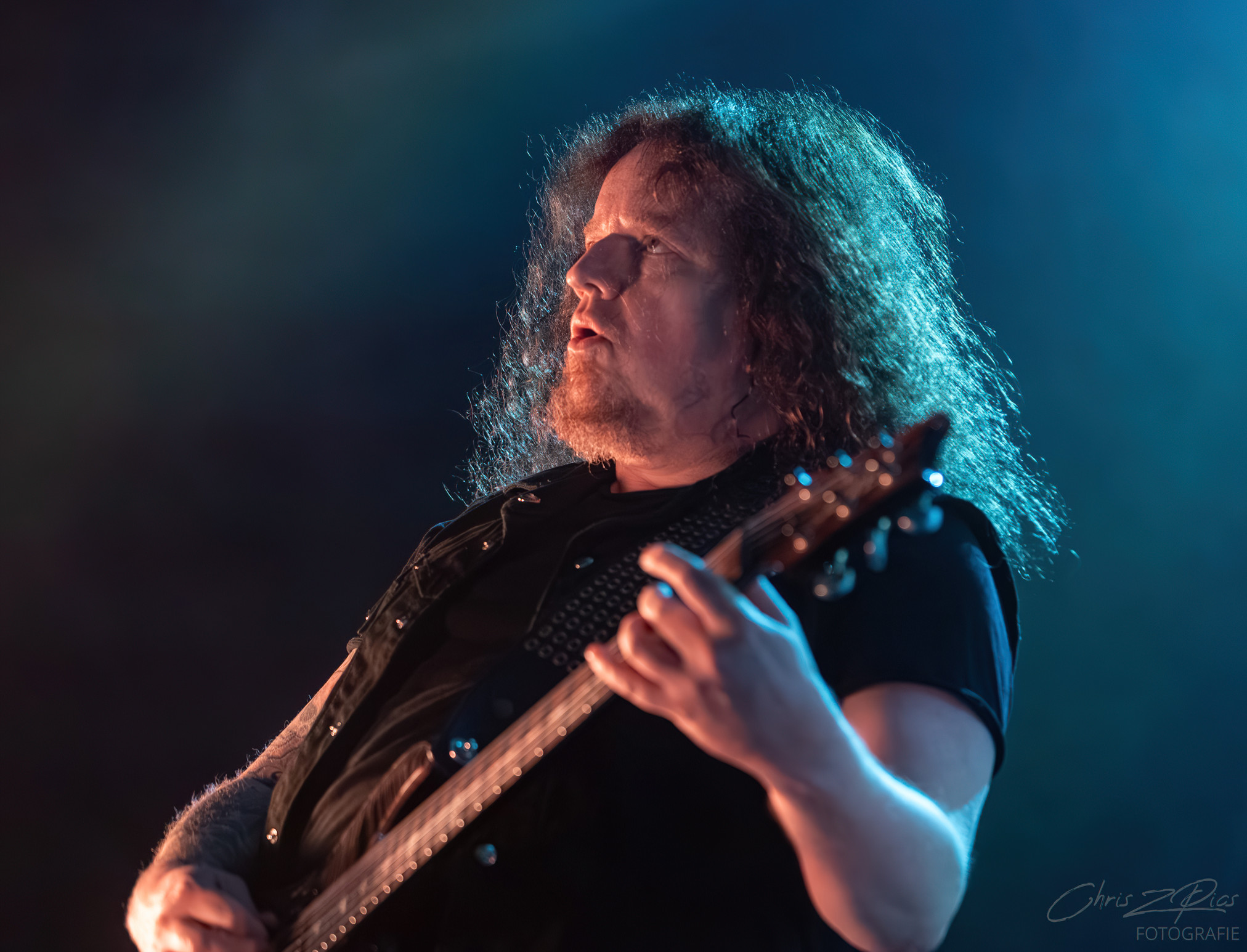
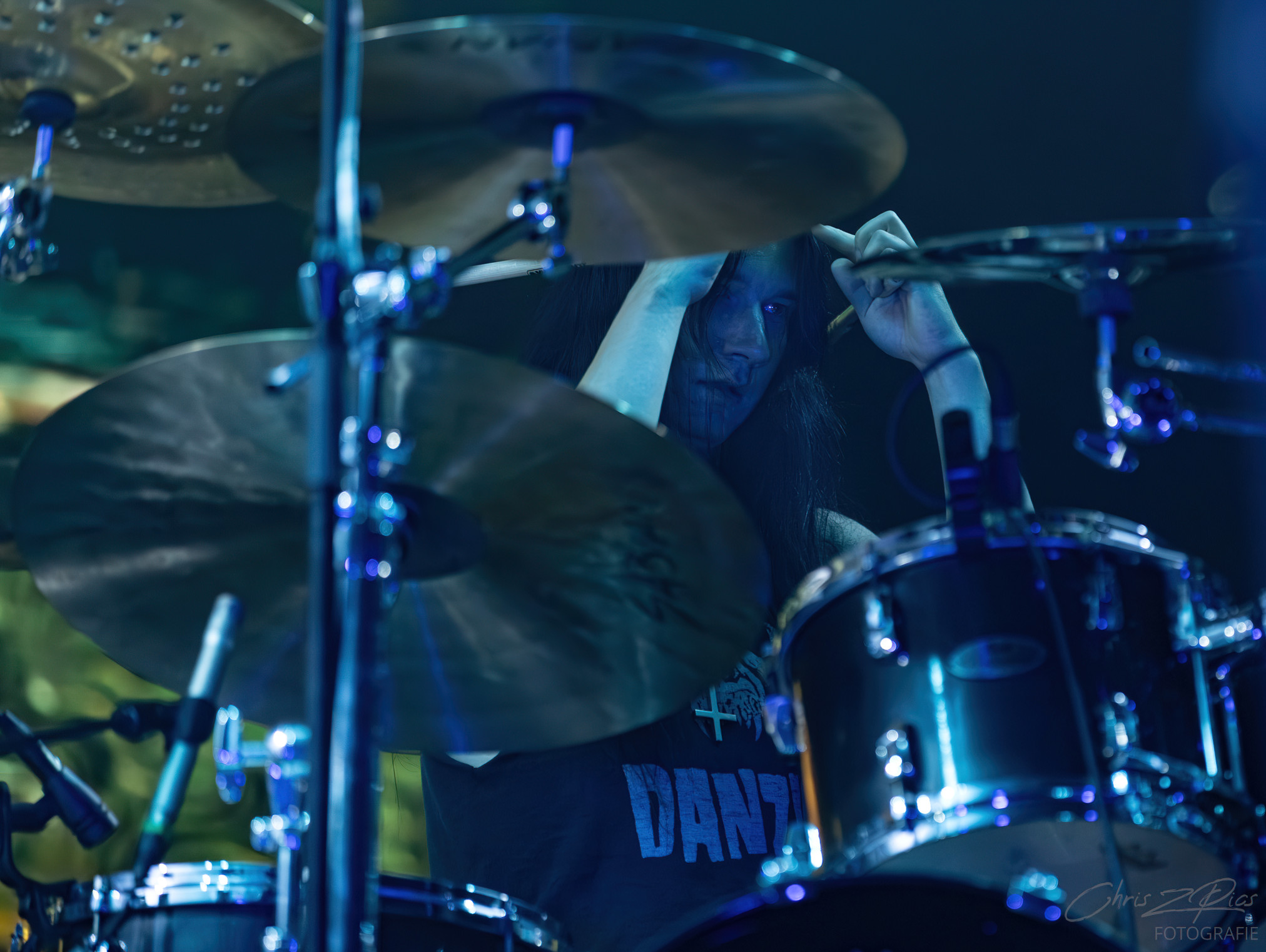
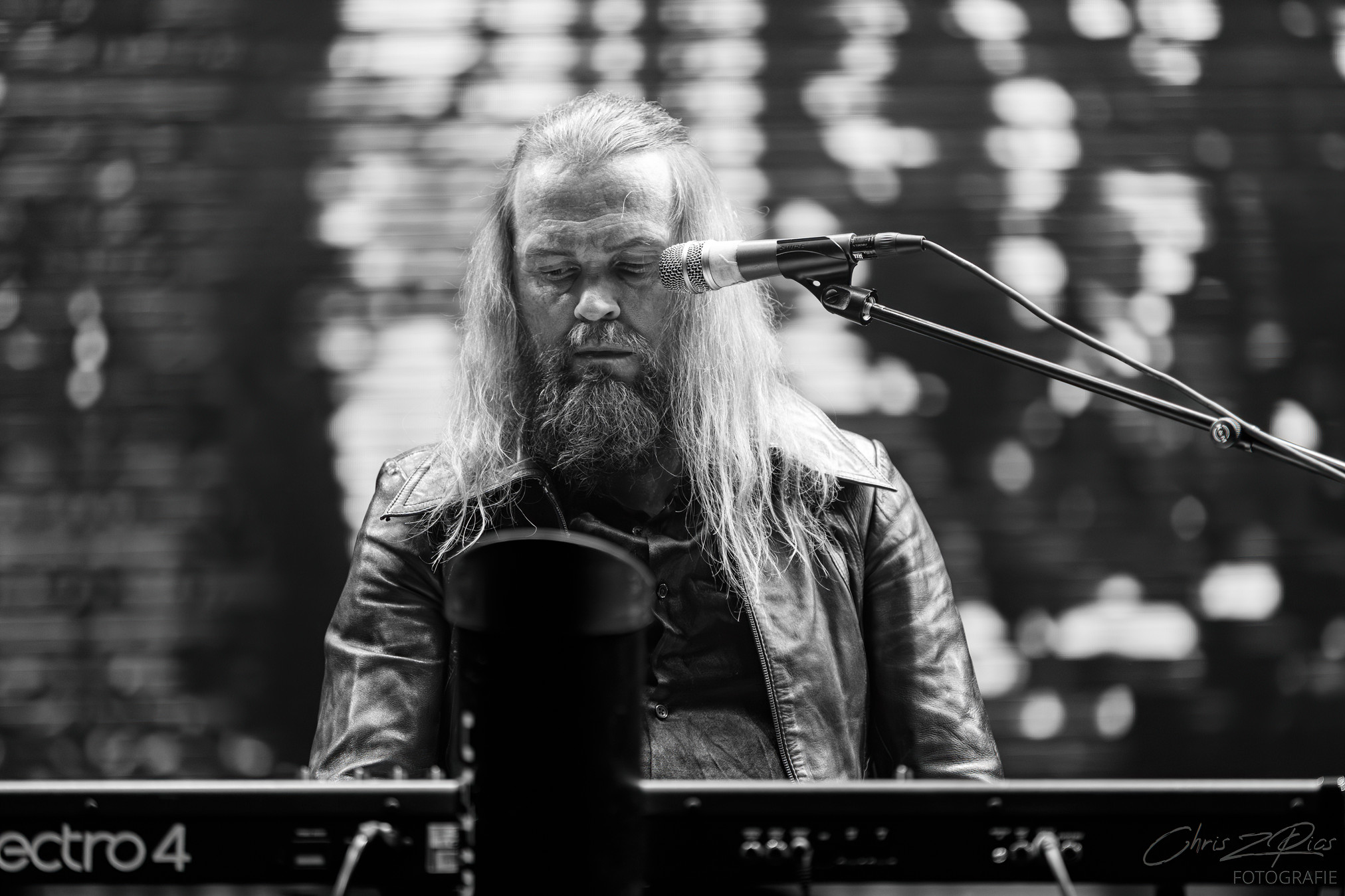
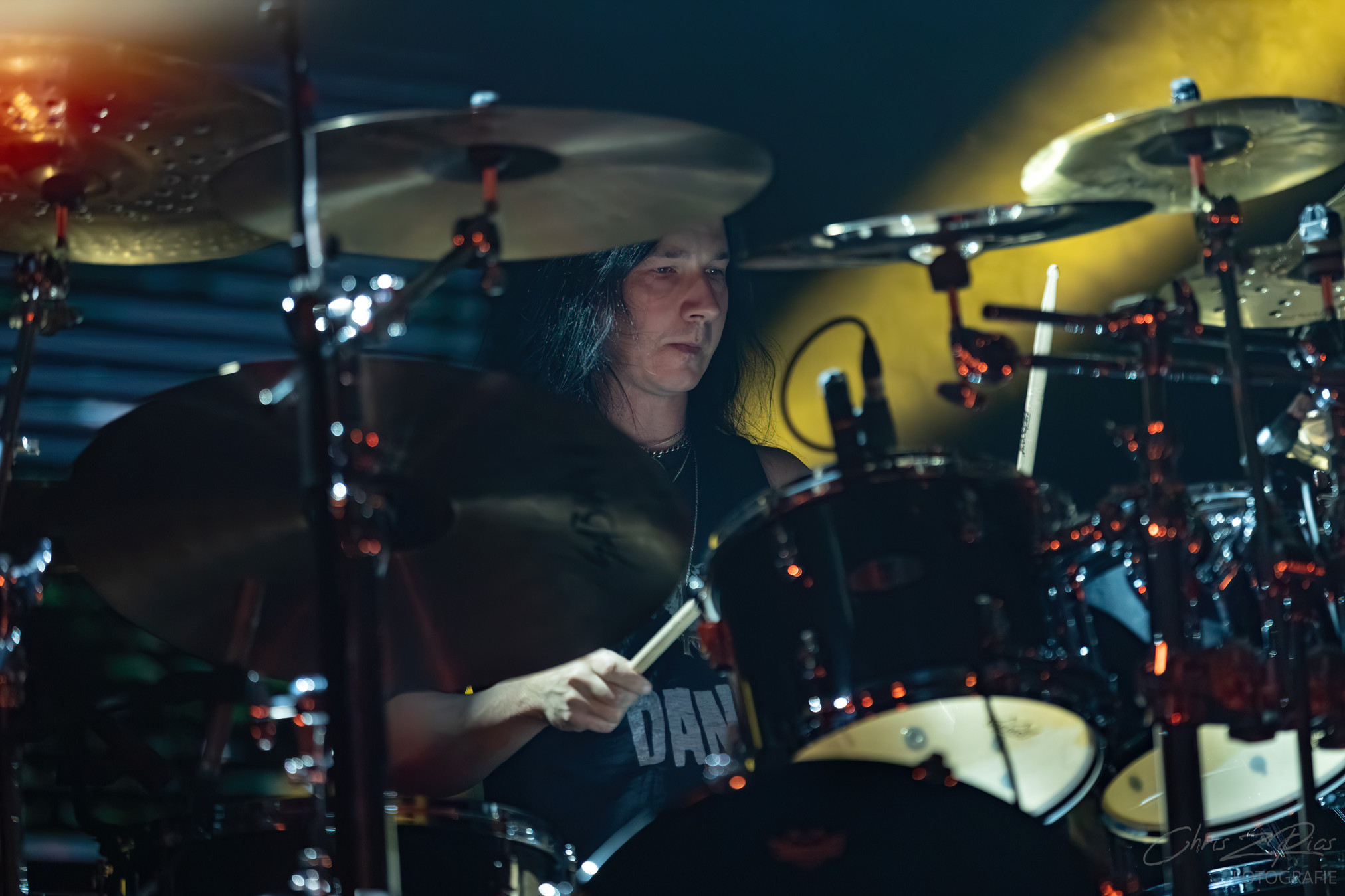
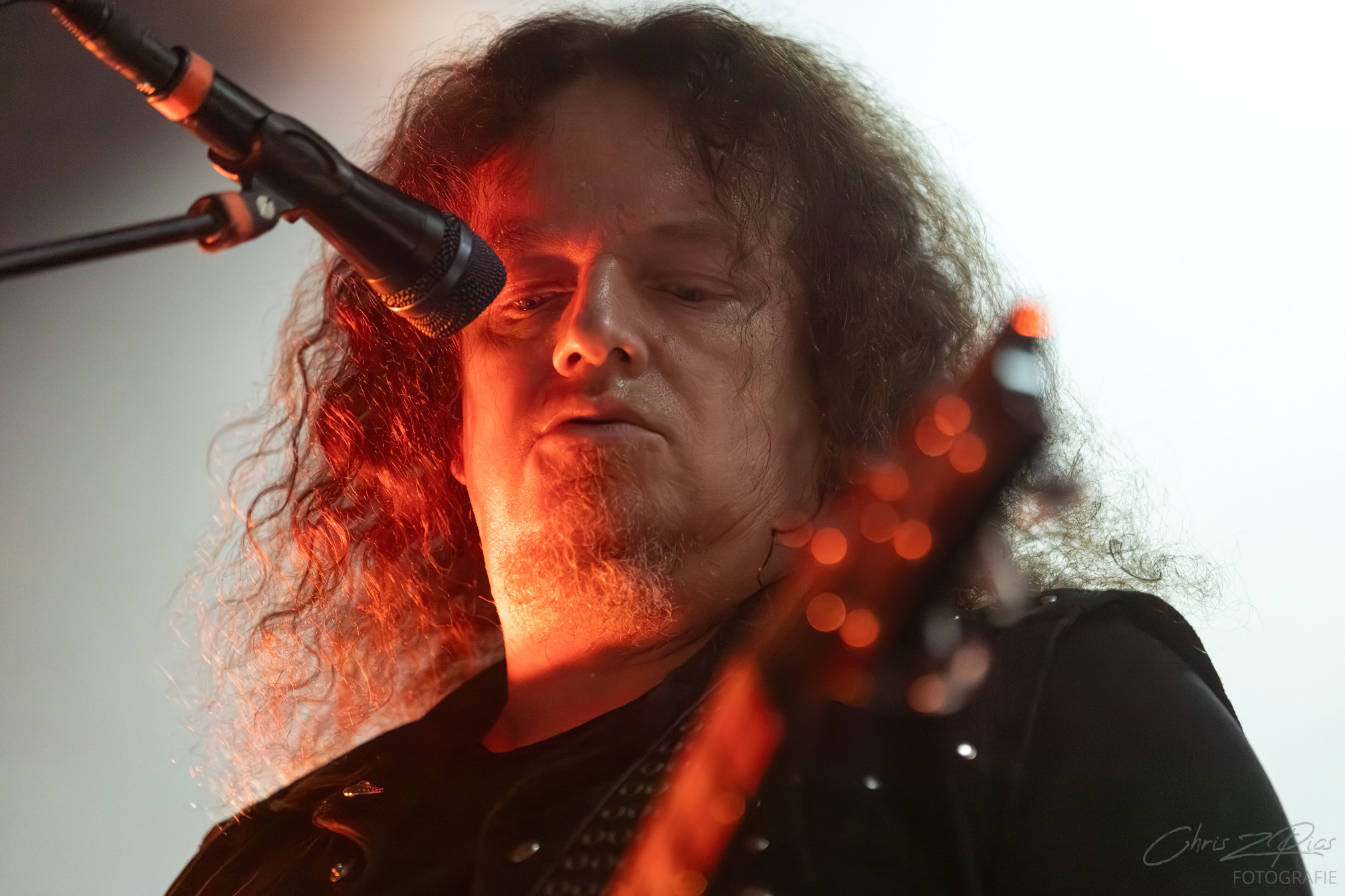
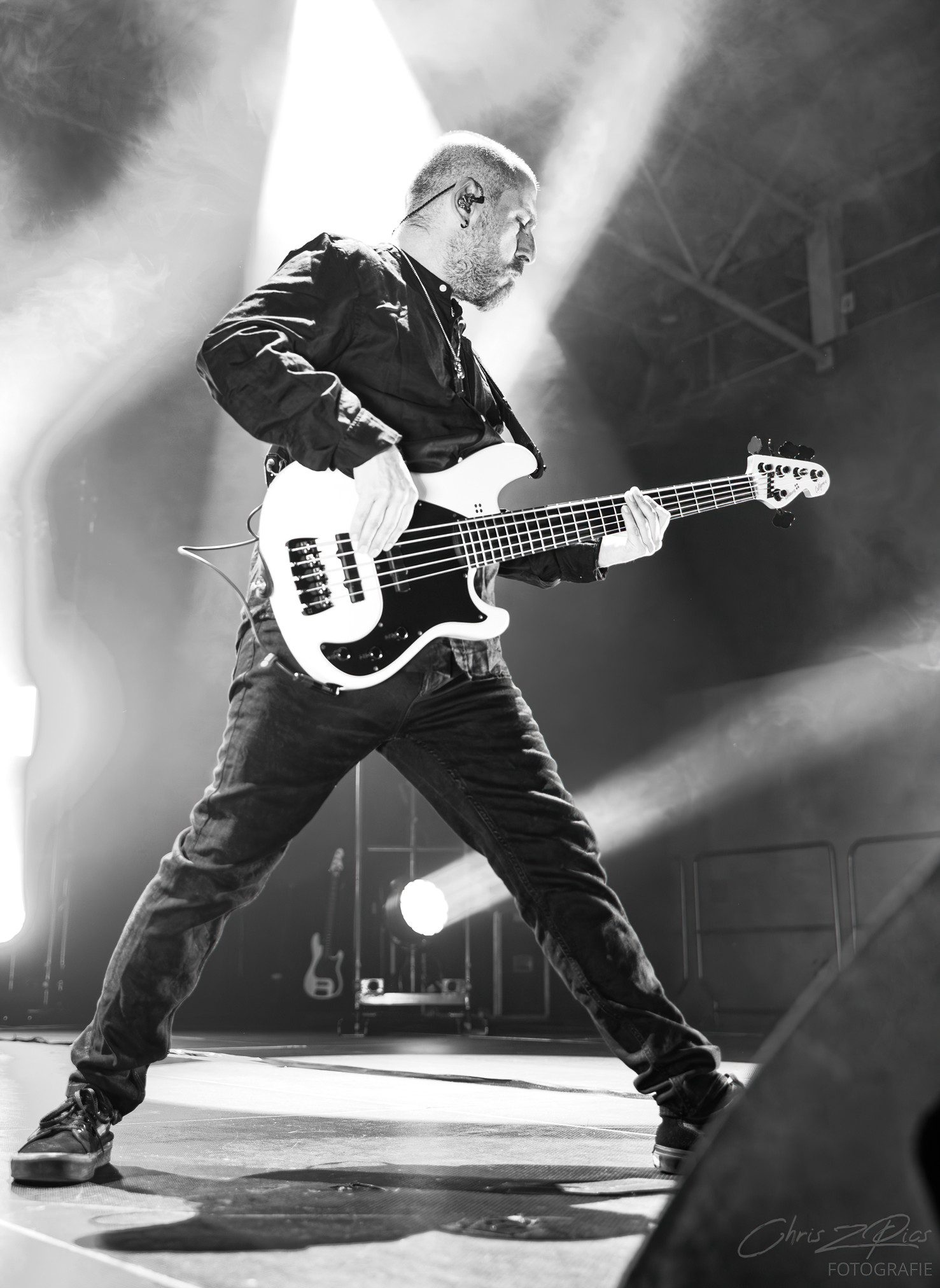
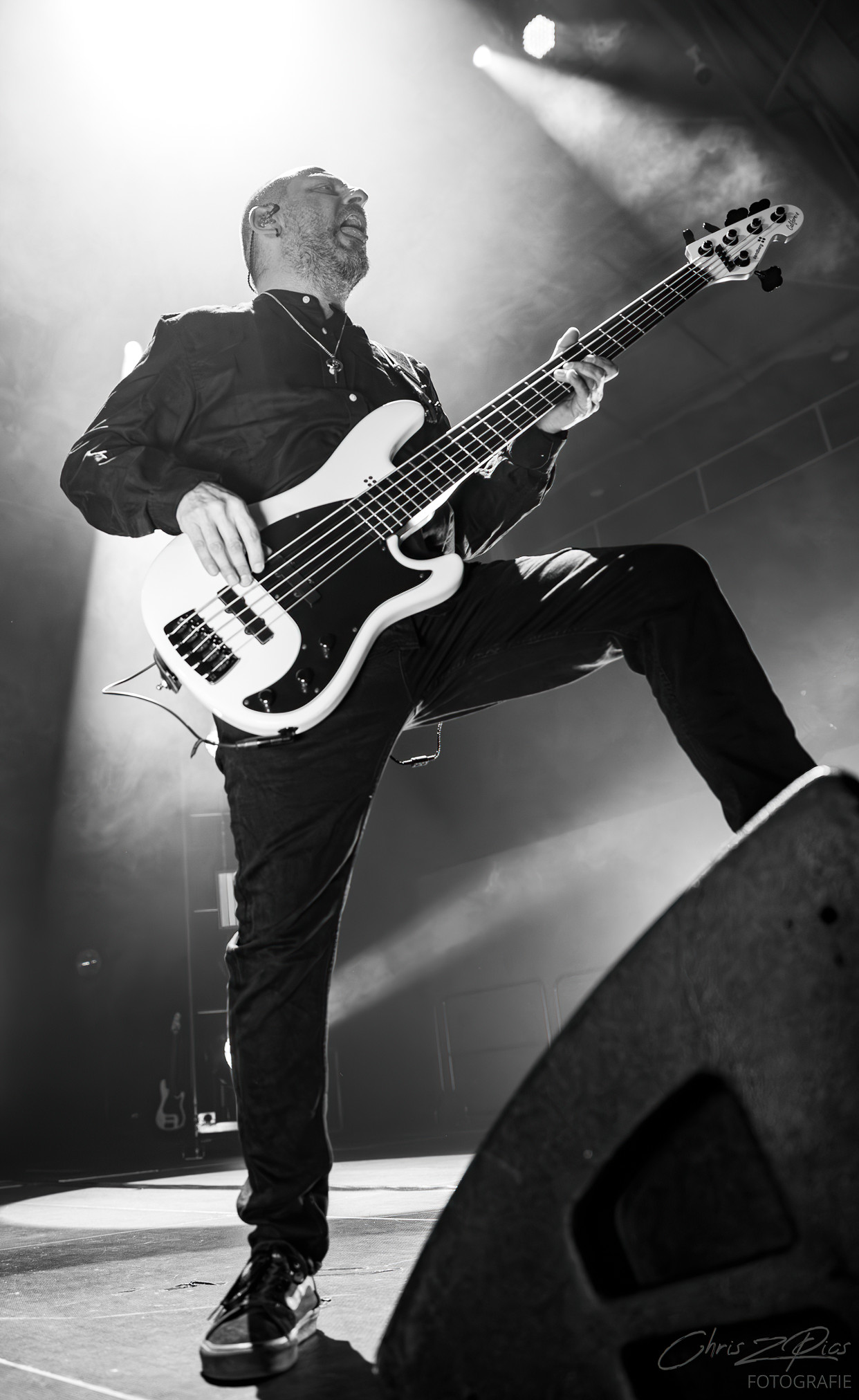
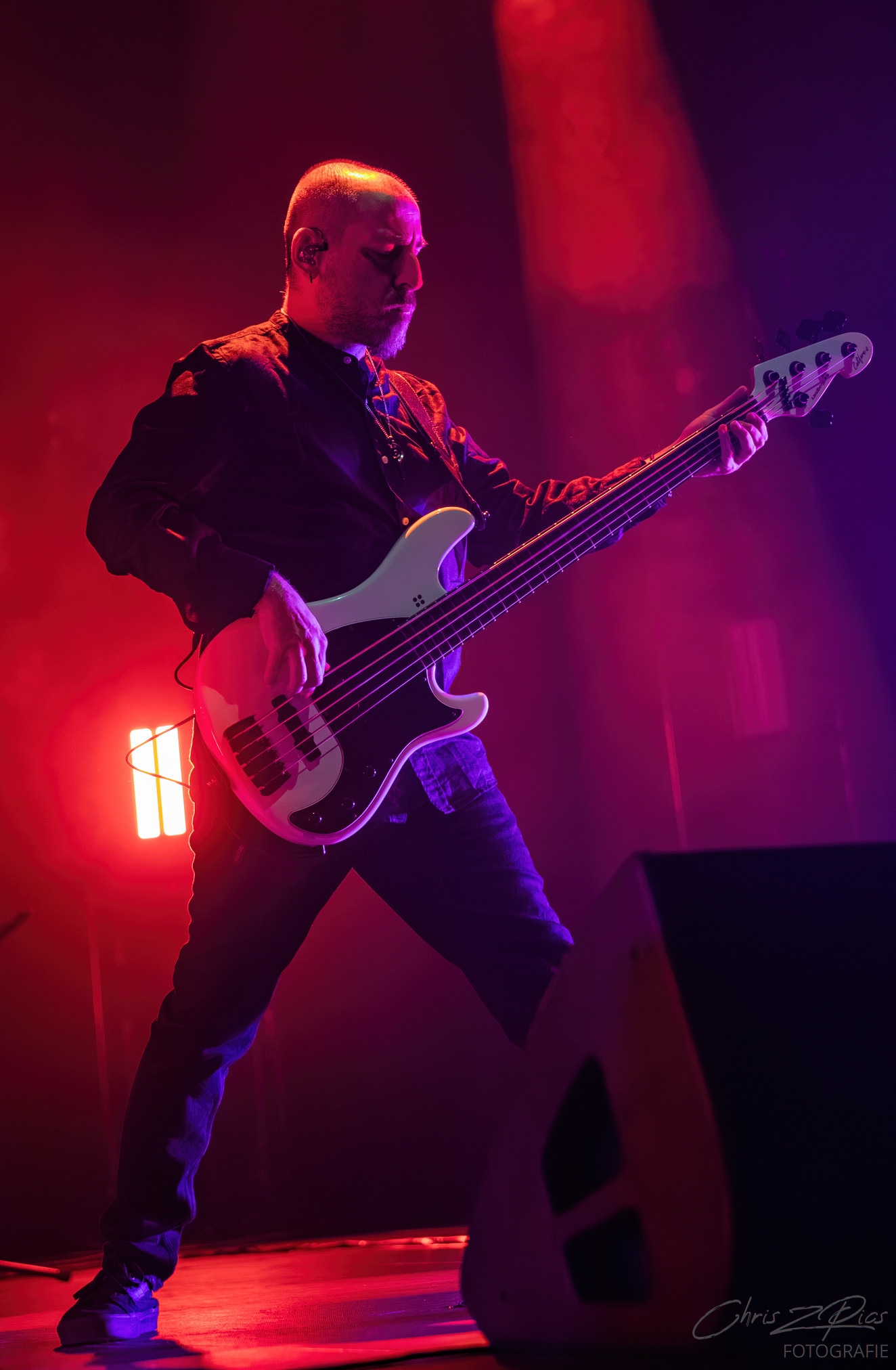
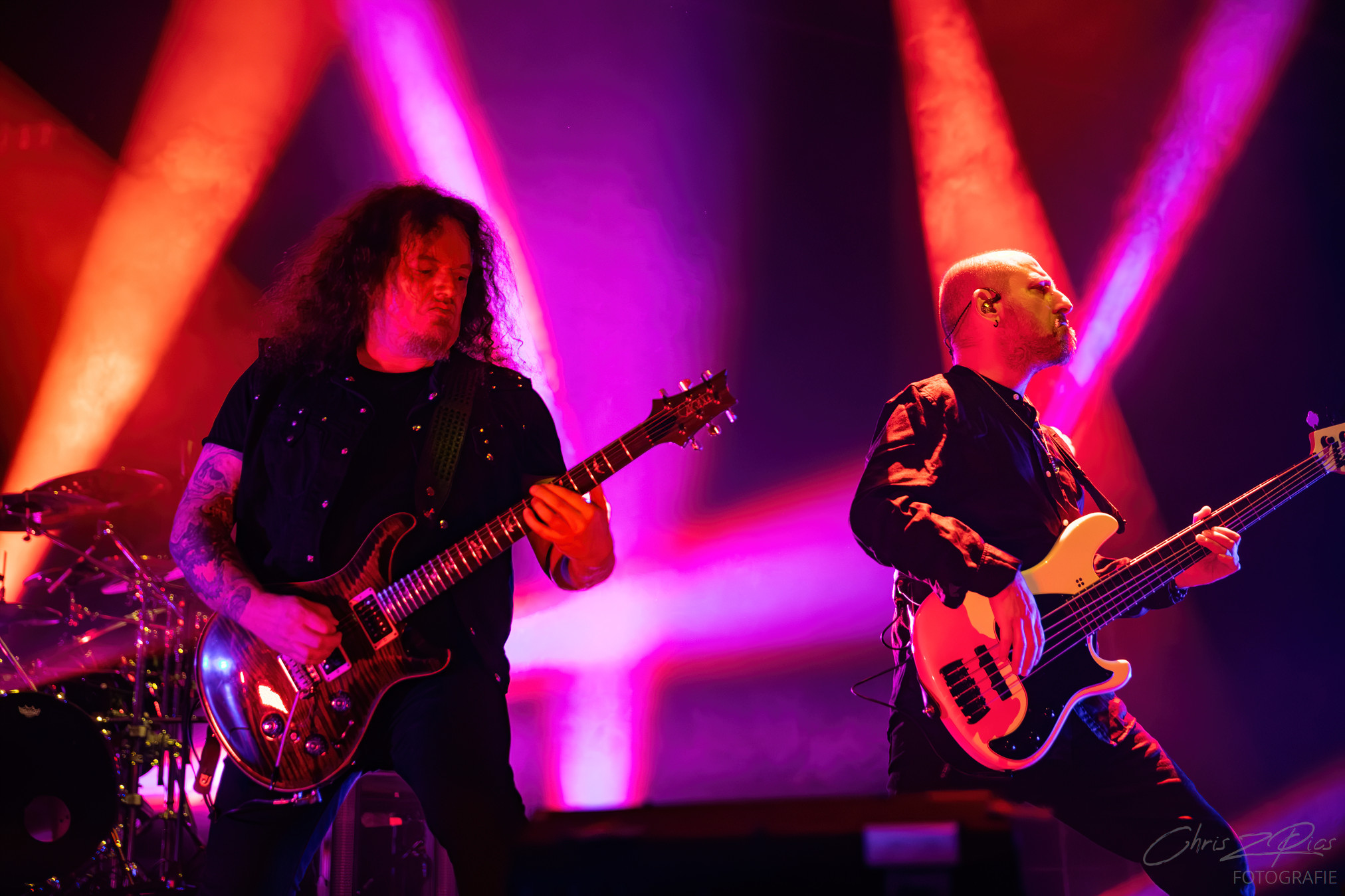
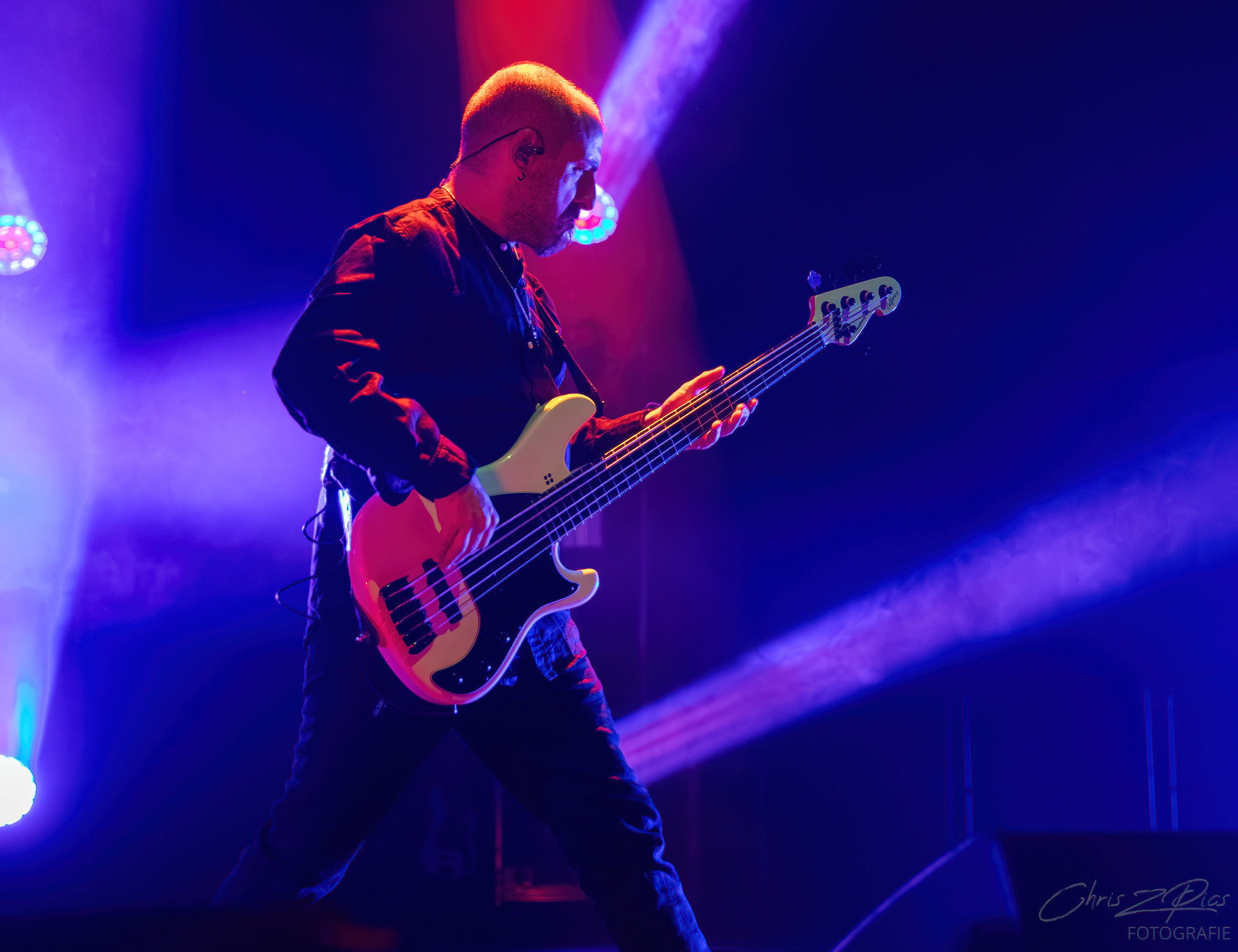
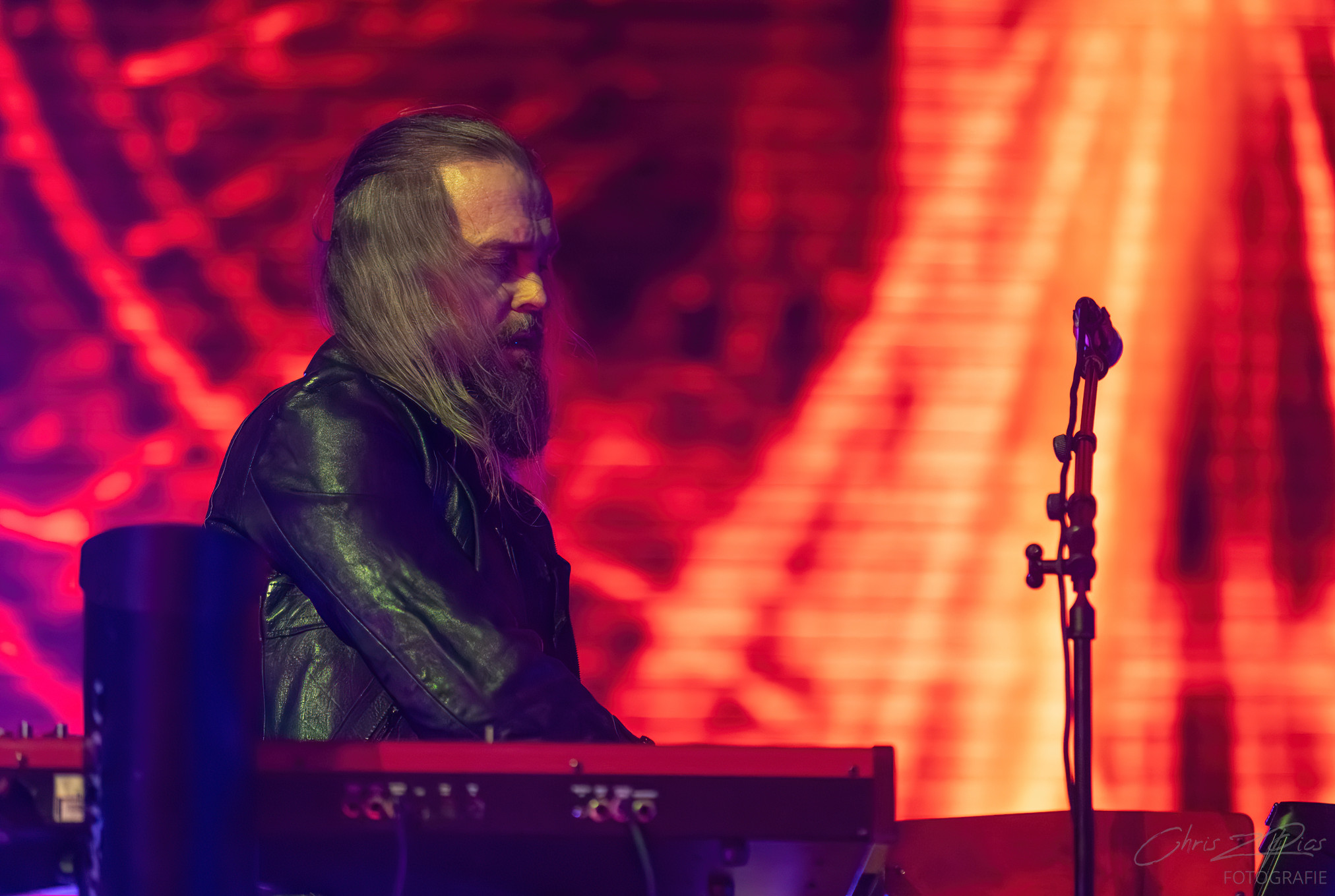
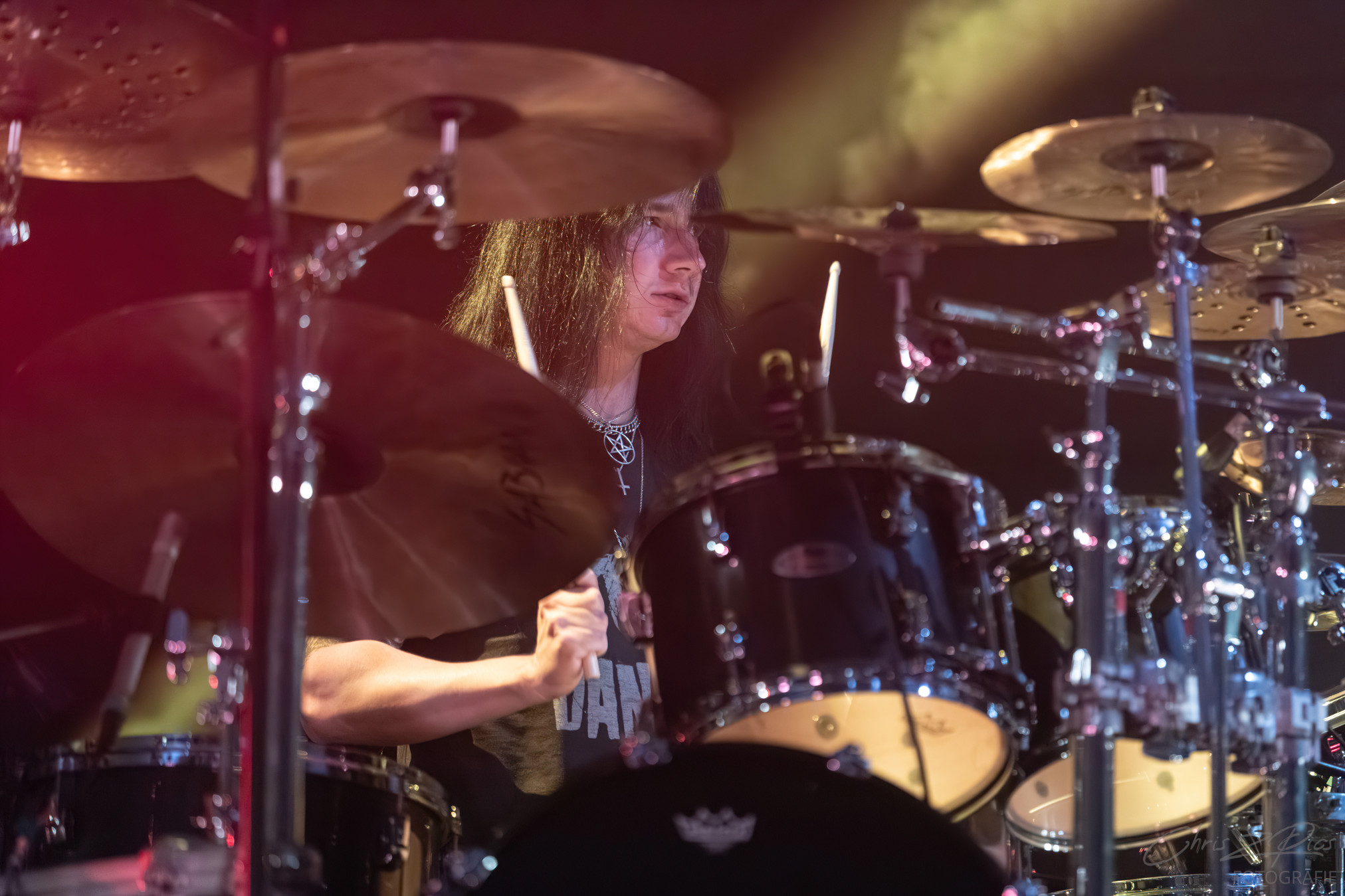
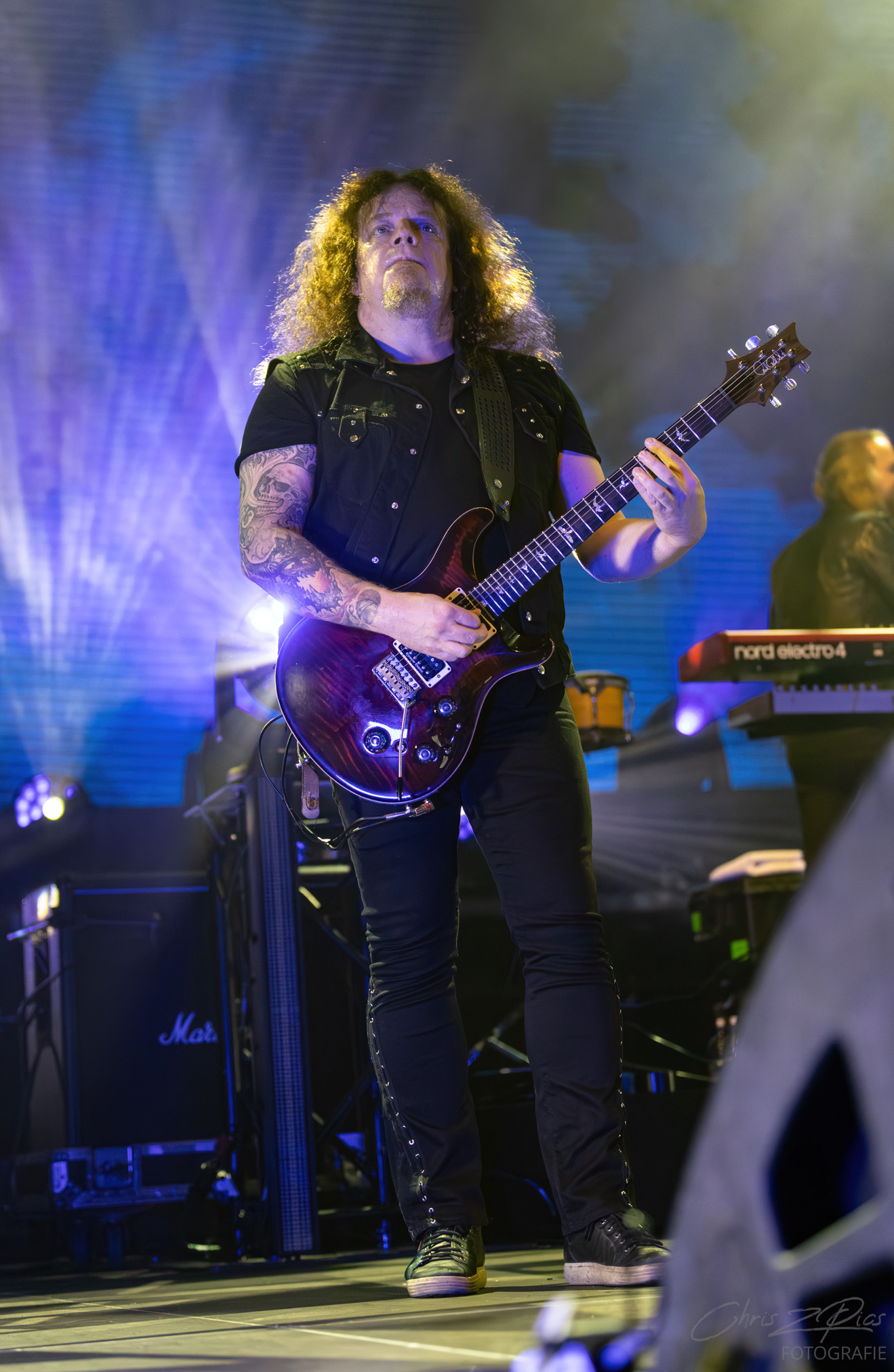
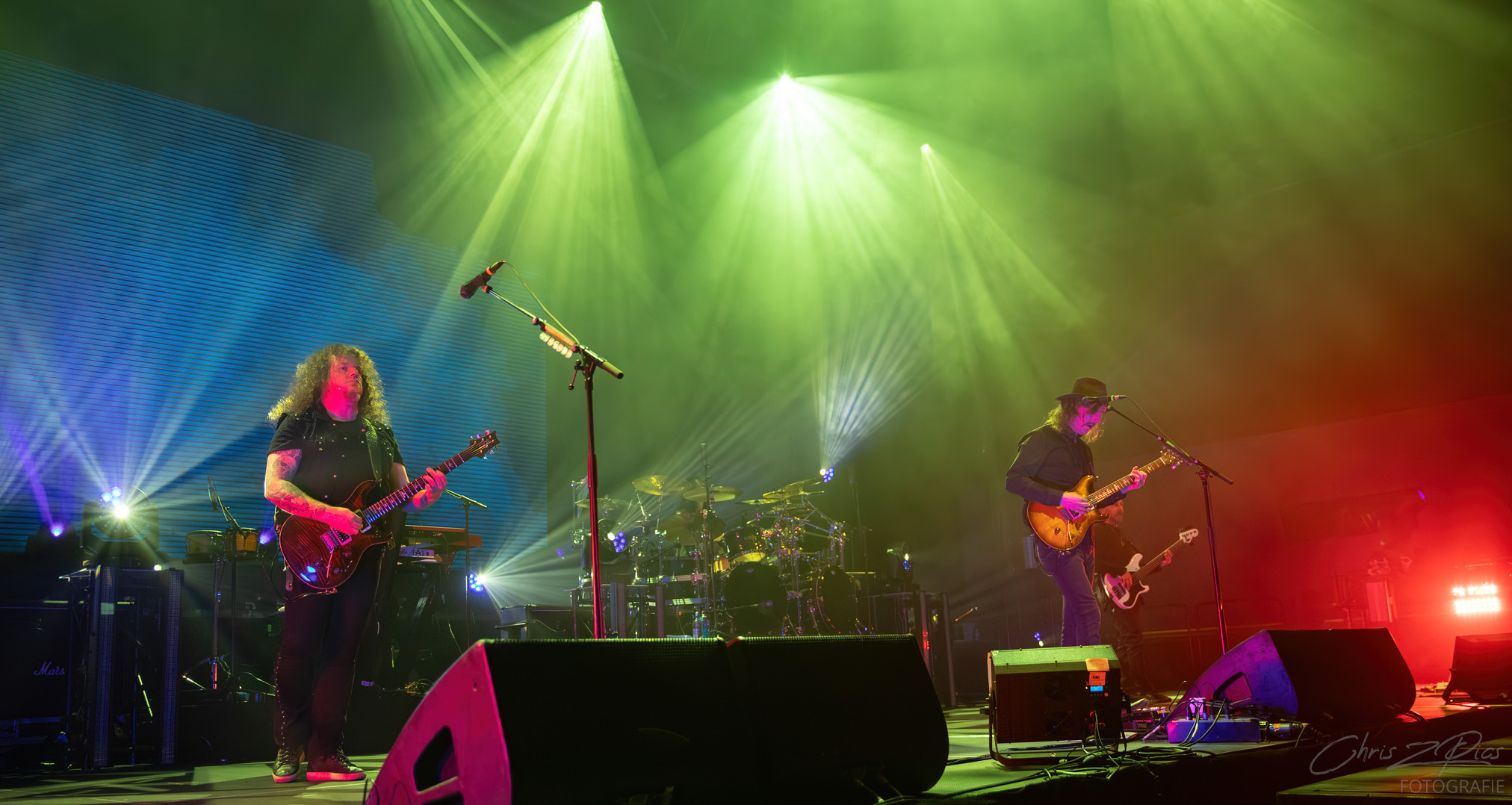
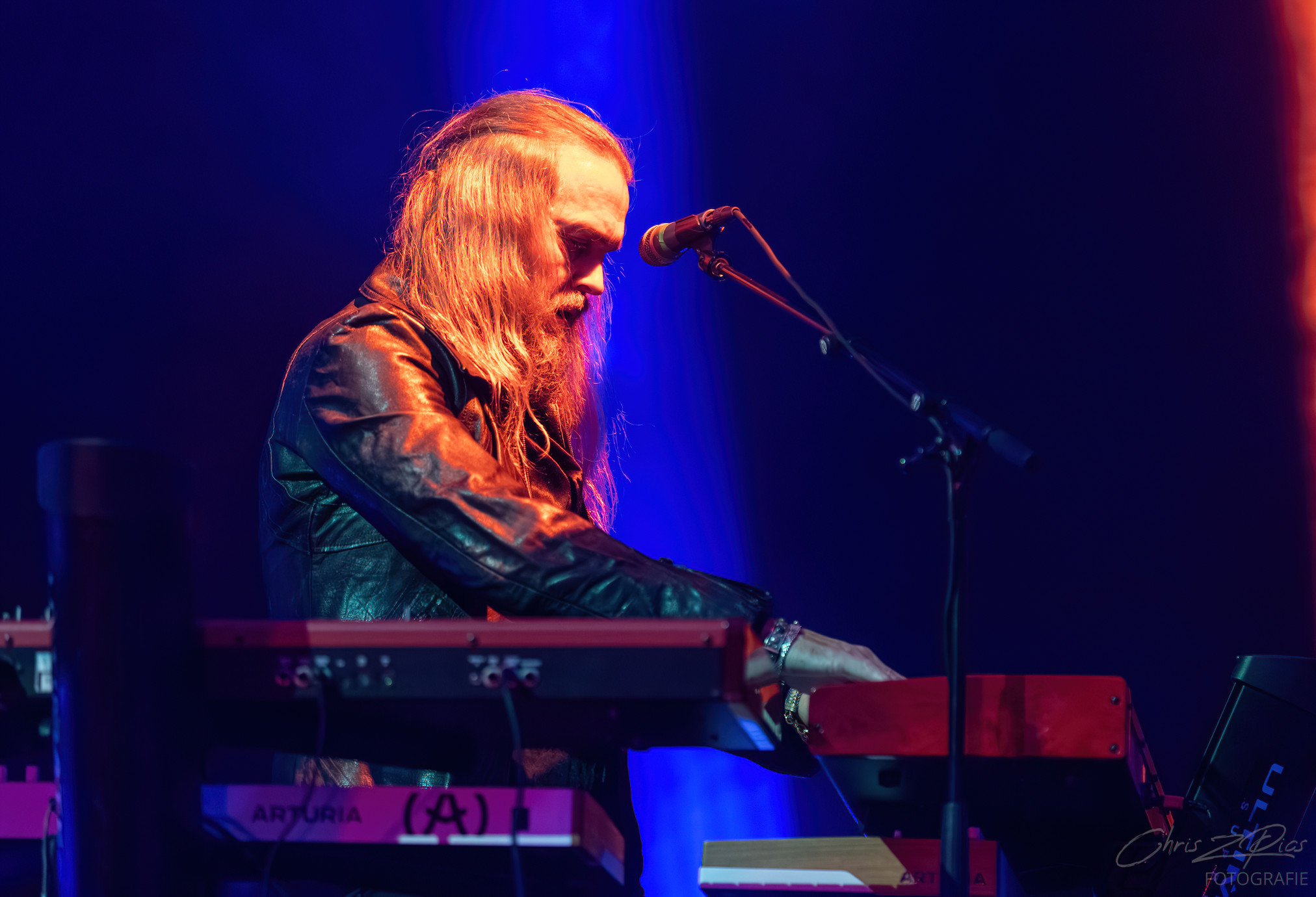
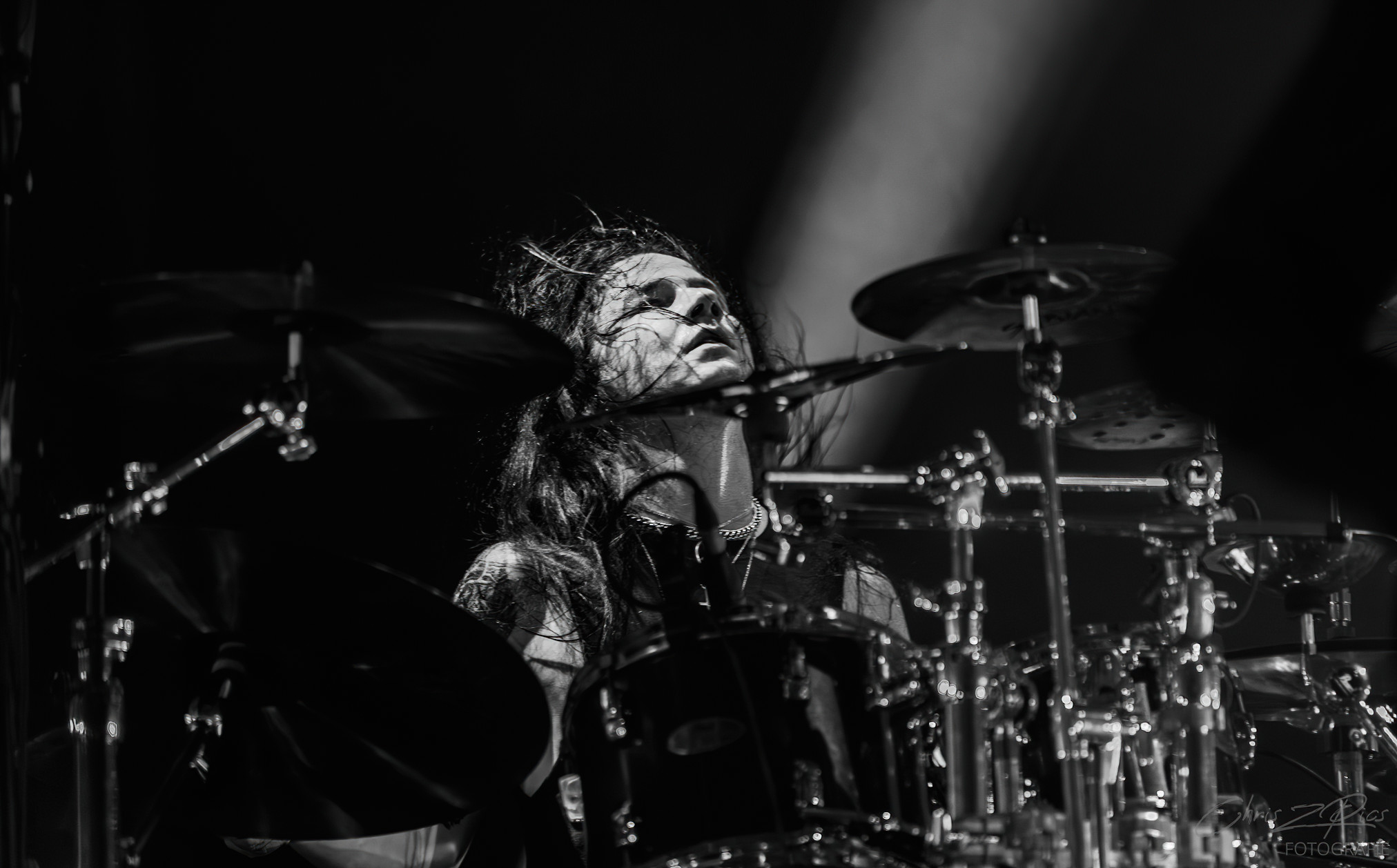
Progressive metal band Opeth last visited New Zealand in 2017, the five-piece lineup—Mikael Åkerfeldt (guitar, vocals), Martín Méndez (bass), Fredrik Åkesson (guitar, backing vocals), Joakim Svalberg (keyboards, backing vocals), and Waltteri Väyrynen (drums)—returned after eight years with their critically acclaimed album, The Last Will and Testament.
The show was originally scheduled for Auckland Town Hall, but overwhelming demand pushed it to Trusts Arena, an indoor venue that can hold up to 5,000 people. And judging by the crowd tonight, New Zealand certainly didn’t disappoint the band who traveled all the way from Sweden.
Pull Down The Sun
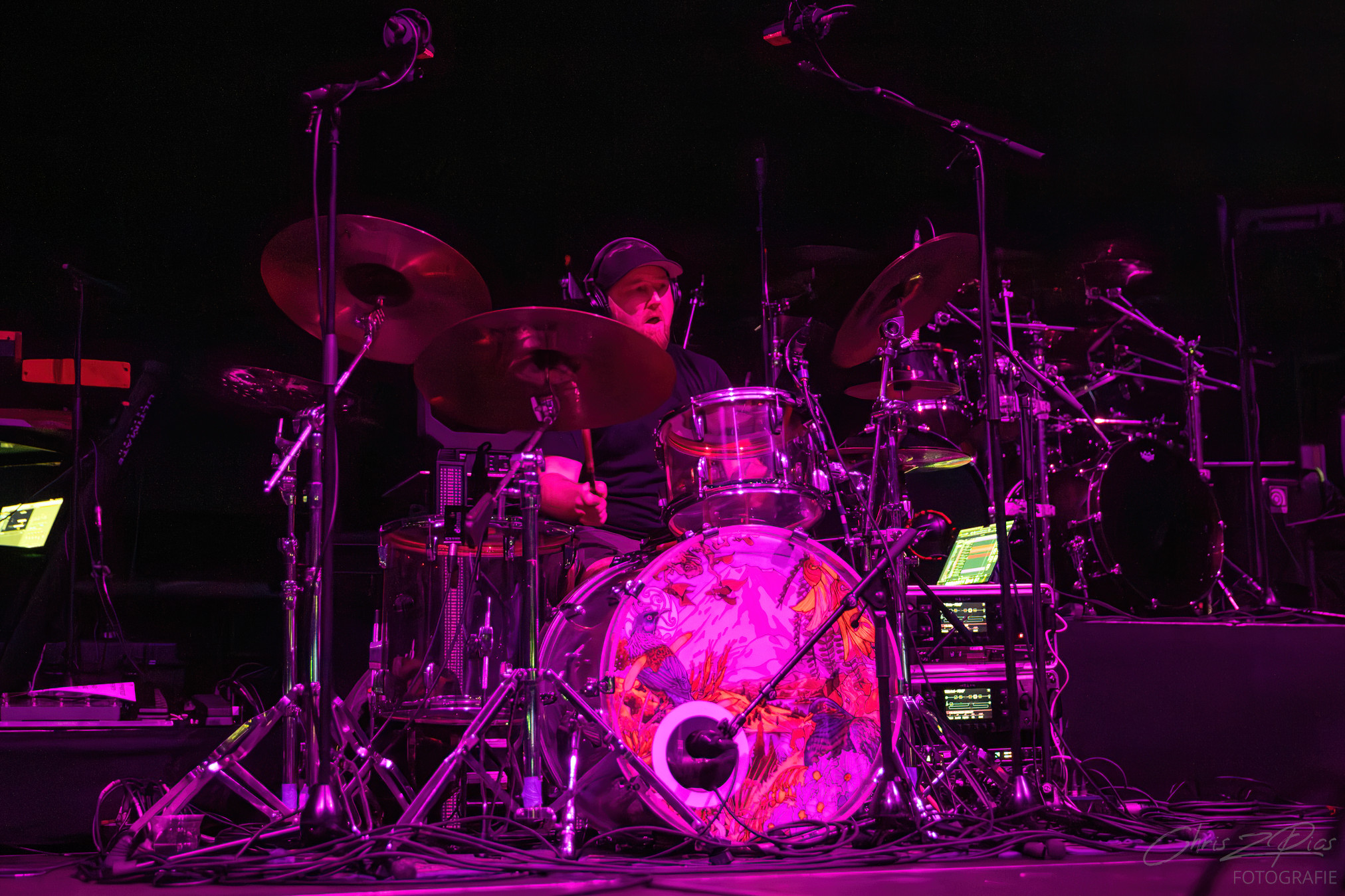
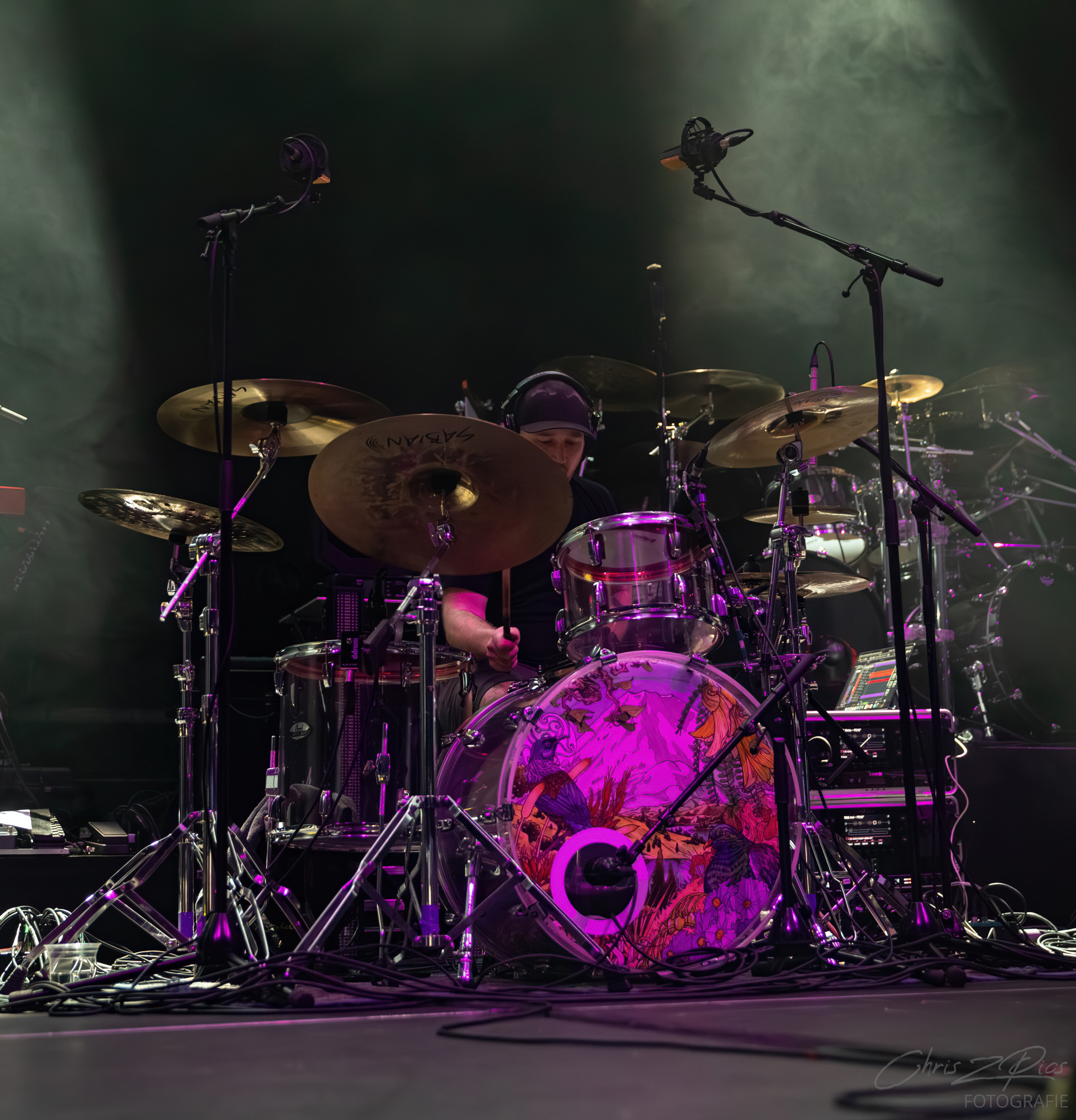
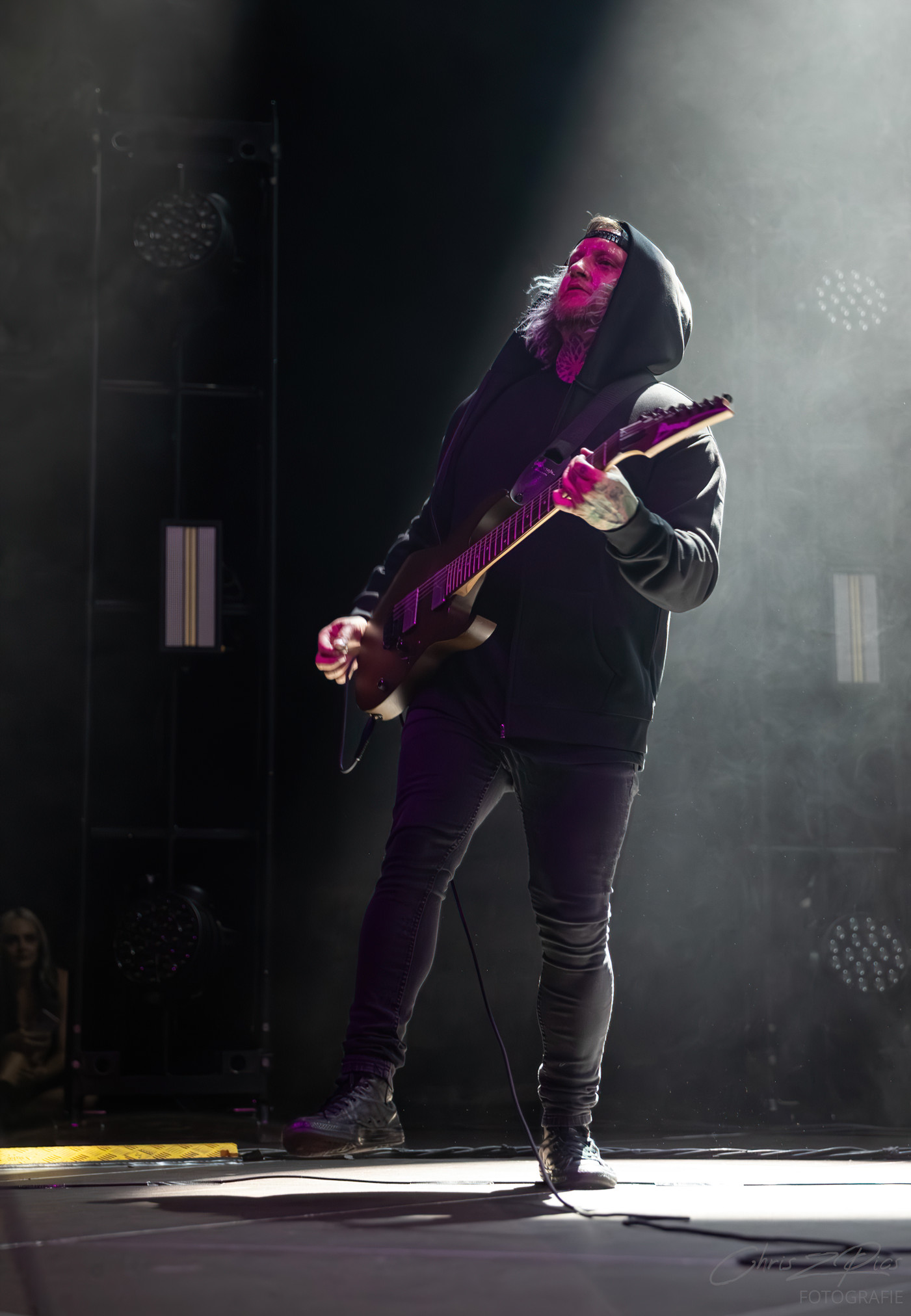
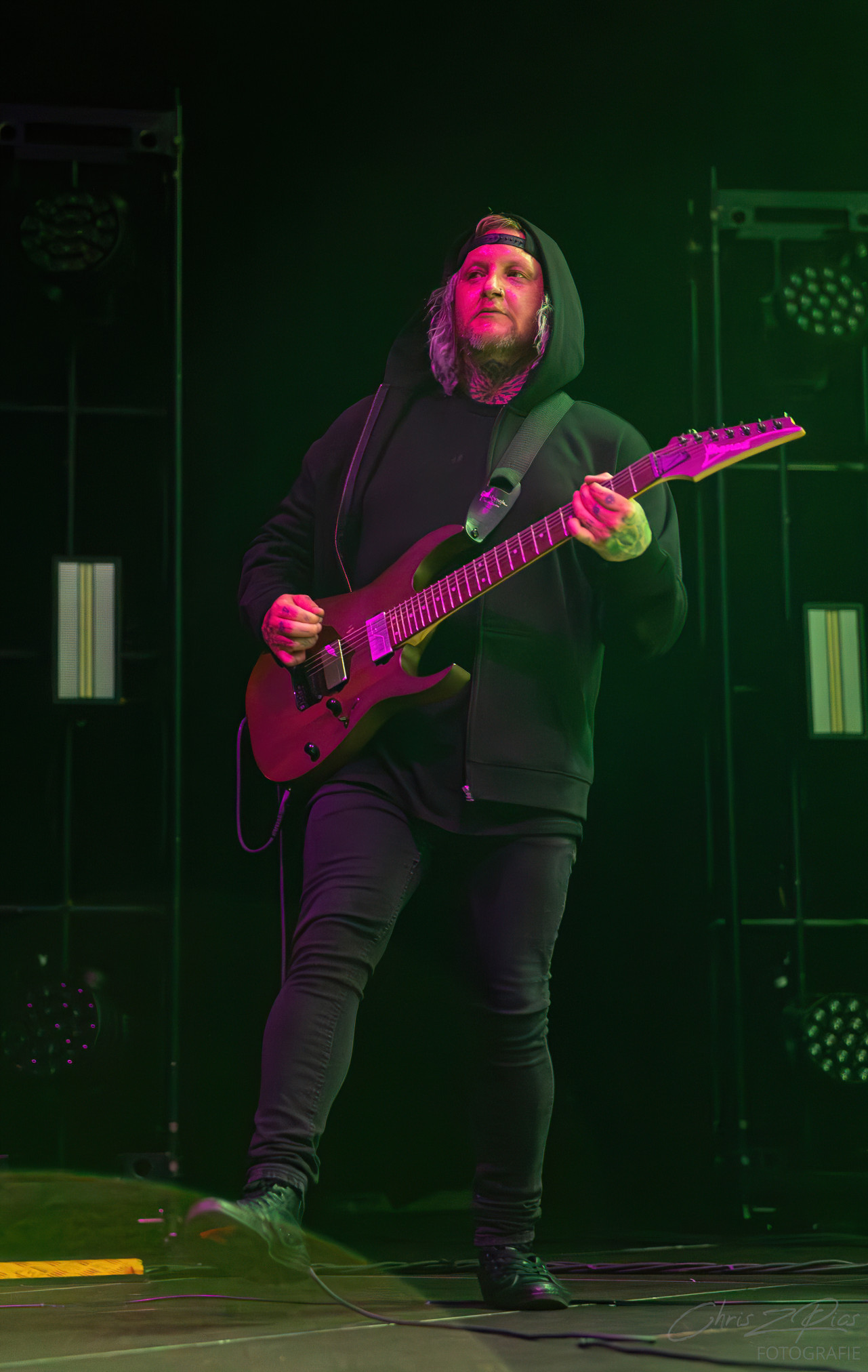
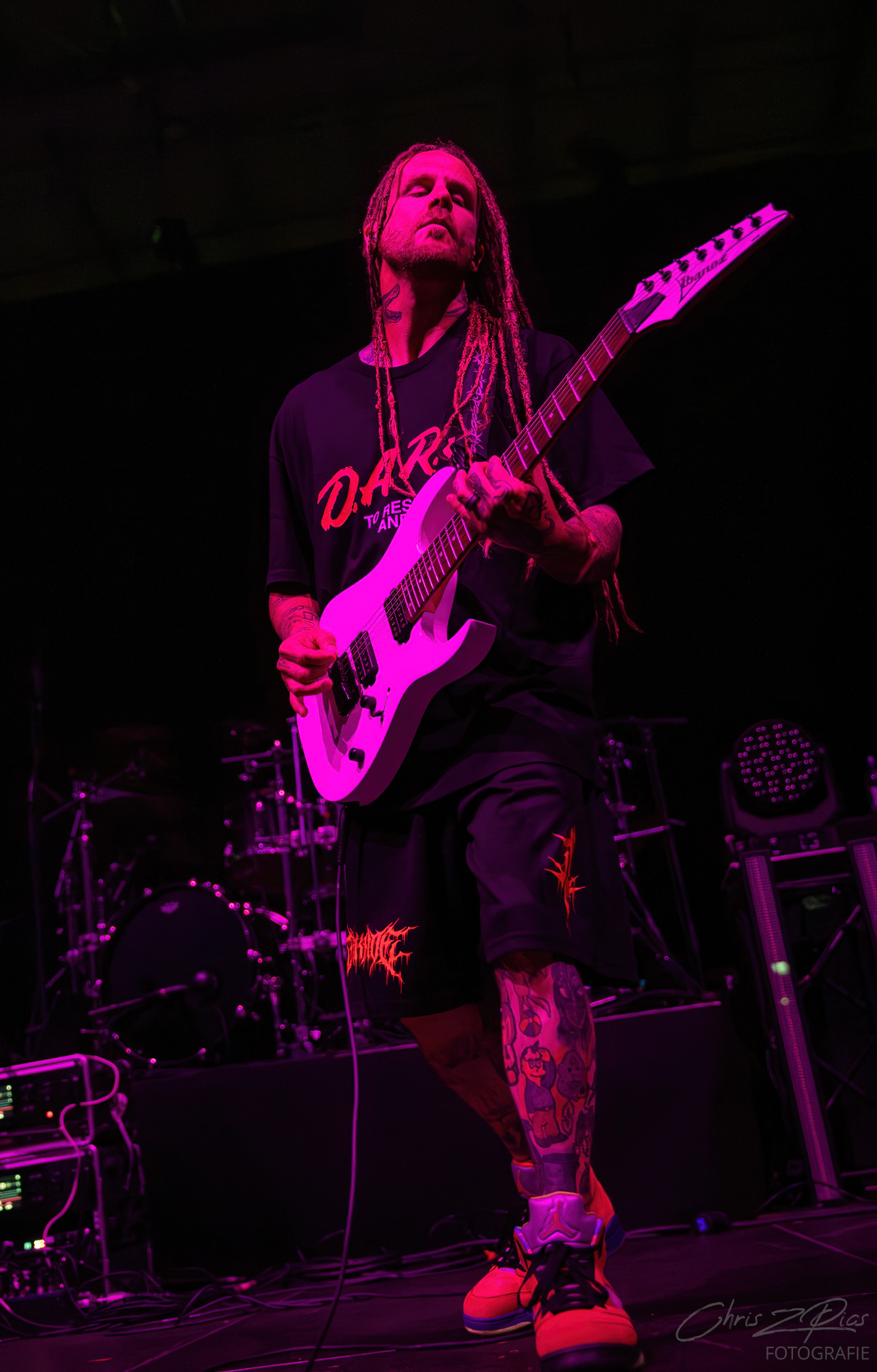
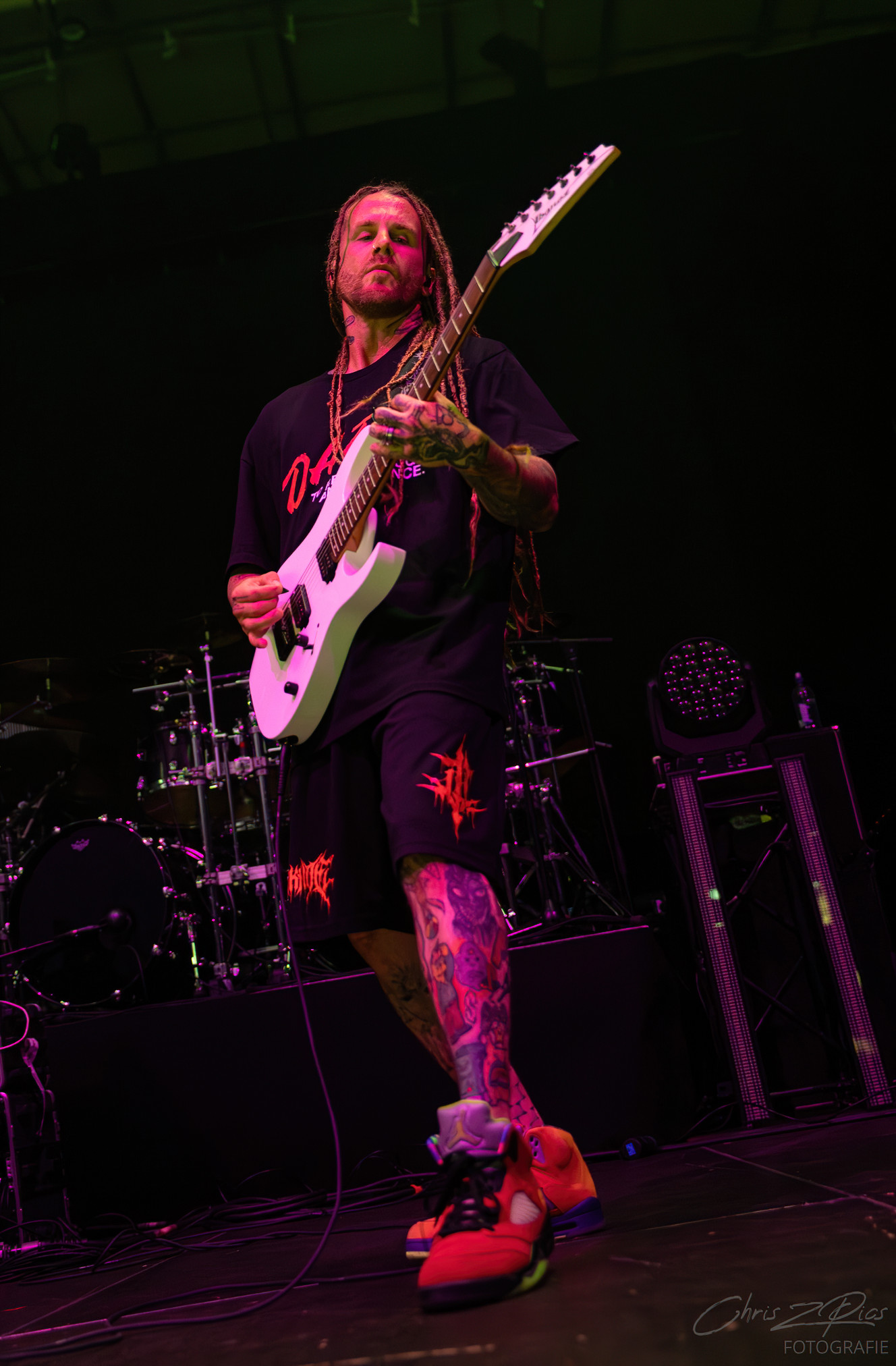
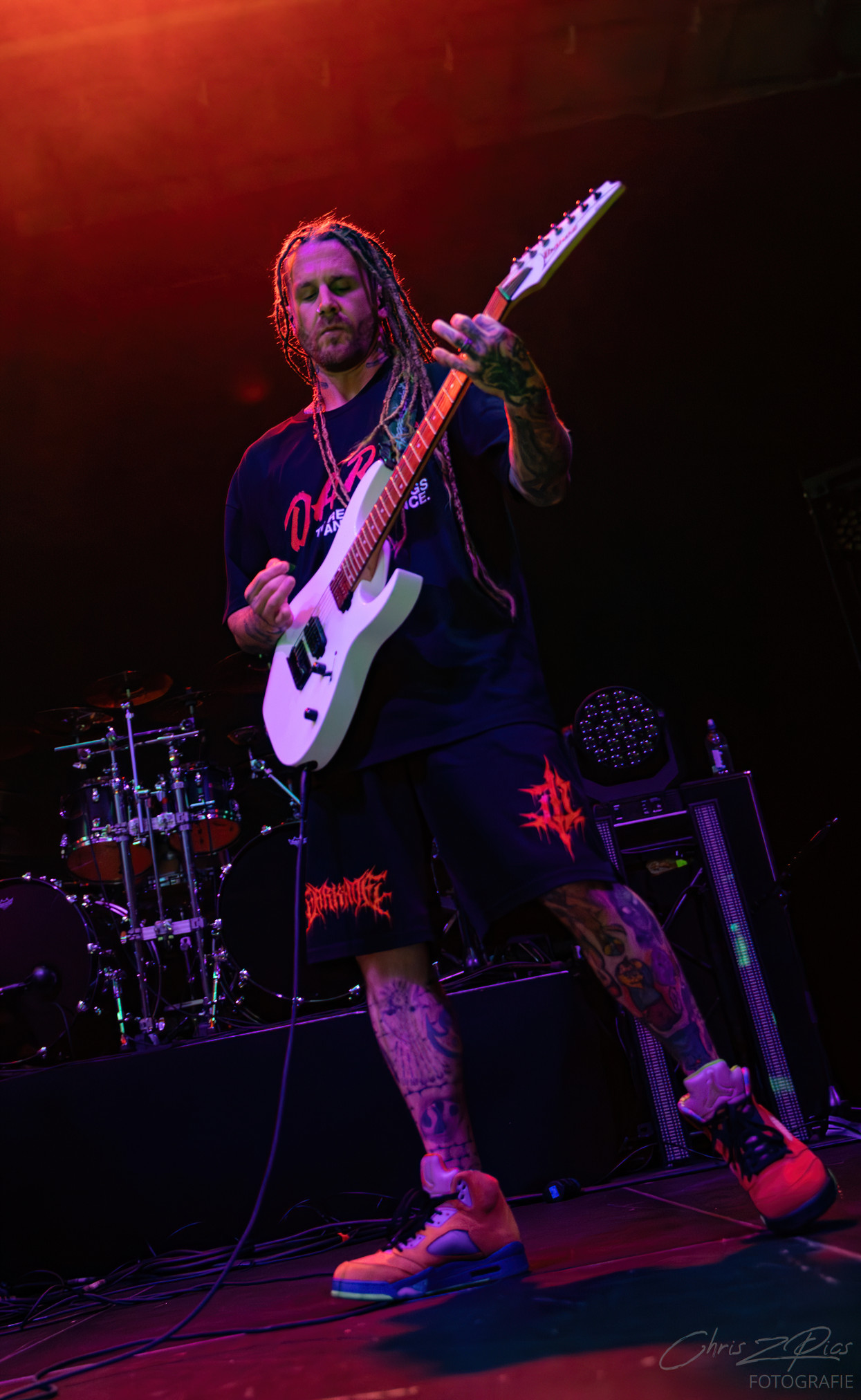
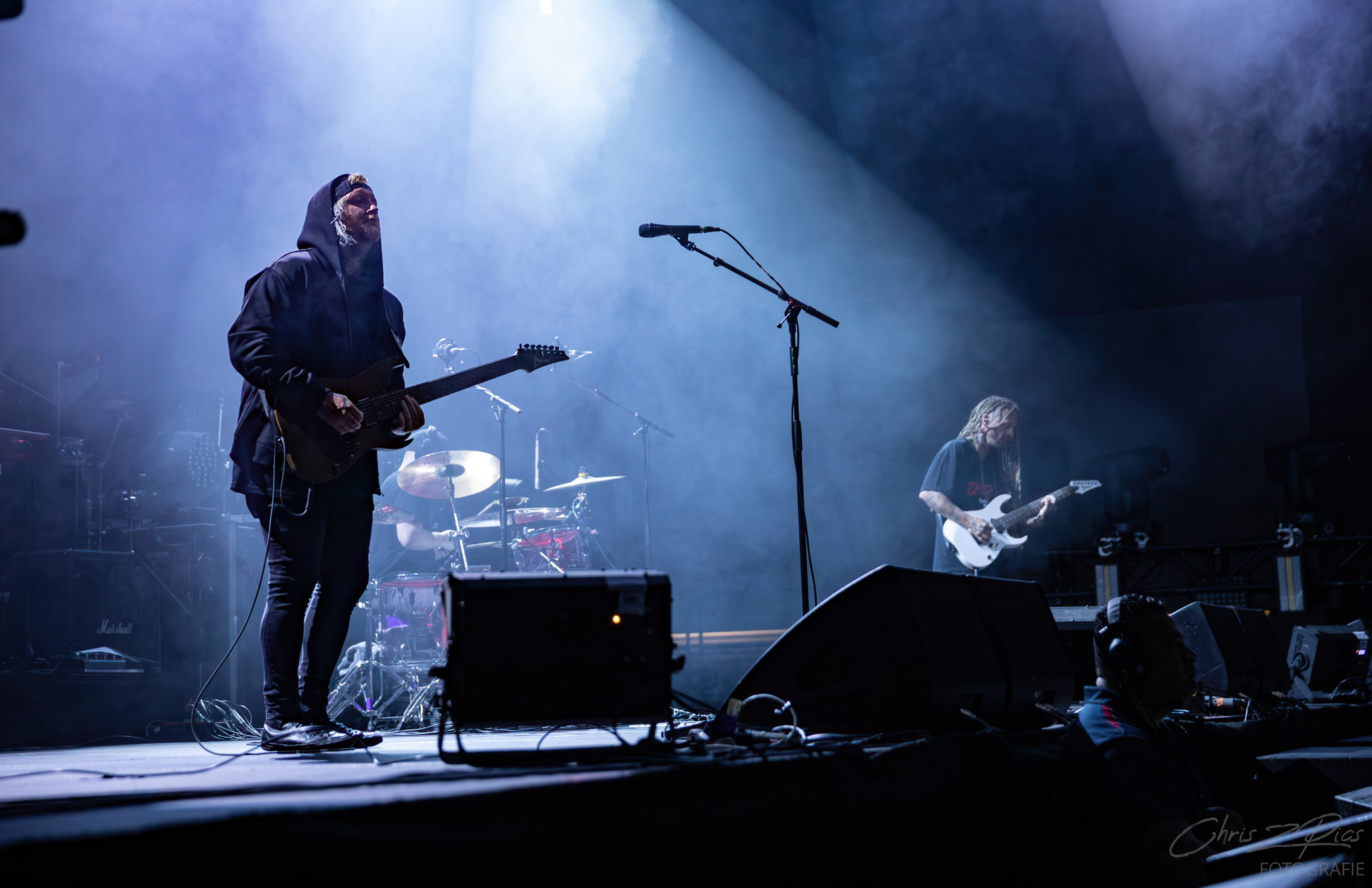
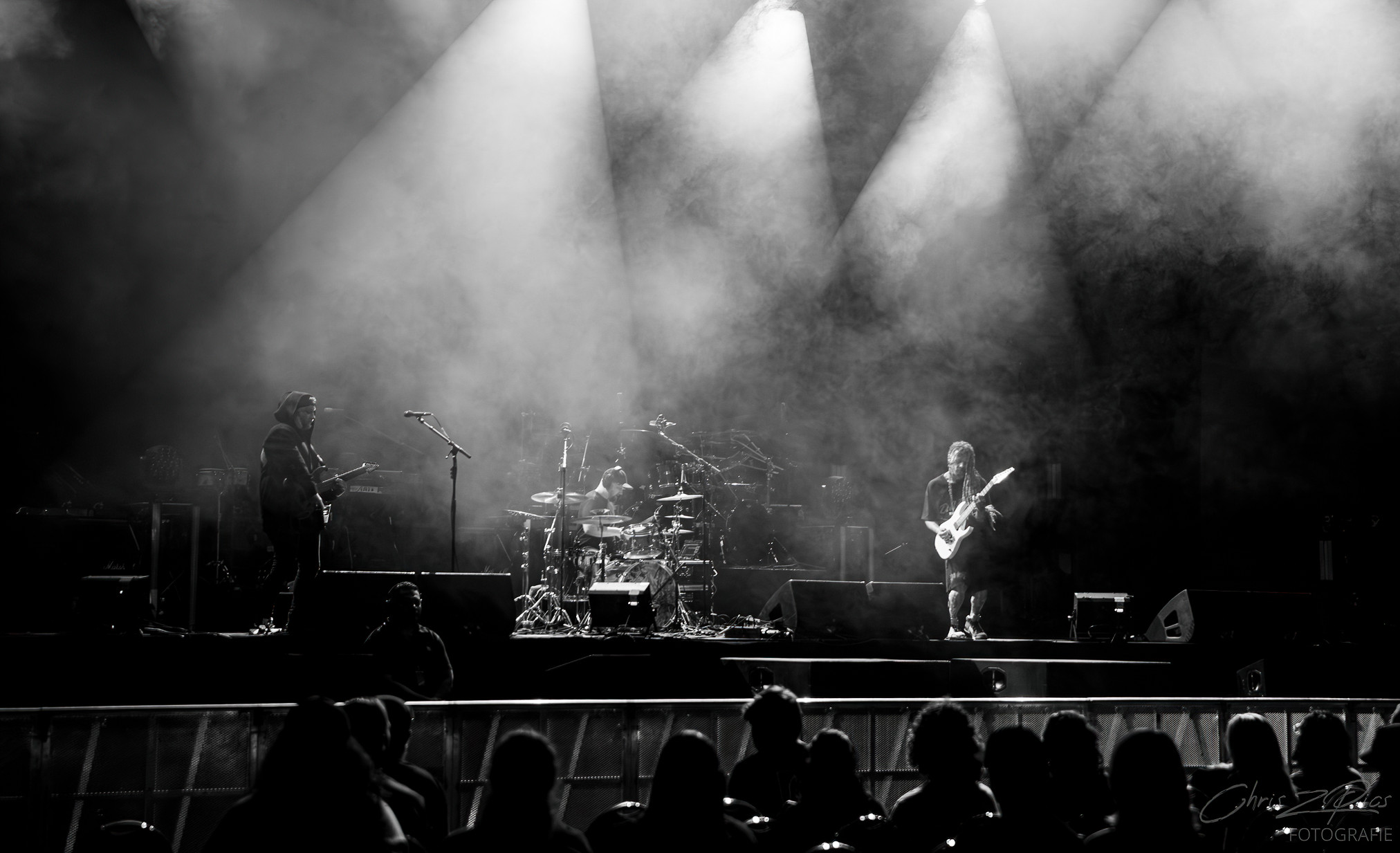
When Opeth tapped Pull Down The Sun as their opening act, the Whanganui trio stepped onto the stage like they had something to prove—and they delivered. Comprised of Koert Wegman (guitar&vocals), Jason Healey (guitar), and Stefan Bourke (drums), the band unleashed six tracks from their 2020 album Of Valleys and Mountains, a work rooted deeply in Māori mythology.
Koert’s solid, commanding vocal presence, paired with Stefan’s razor-sharp drumming and Jason’s distinctly prog-flavored riffwork, formed a sound that felt both cinematic and crushing. PDTS stitched together narrative-driven songwriting, technical progressive elements, and a firm sense of Aotearoa identity with an ease that felt almost effortless. As an opener, they didn’t just warm up the room—they lit the night on fire.
And if there was a moment that made the performance even better? Jason’s mismatched shoes. Absolutely iconic.
Opeth
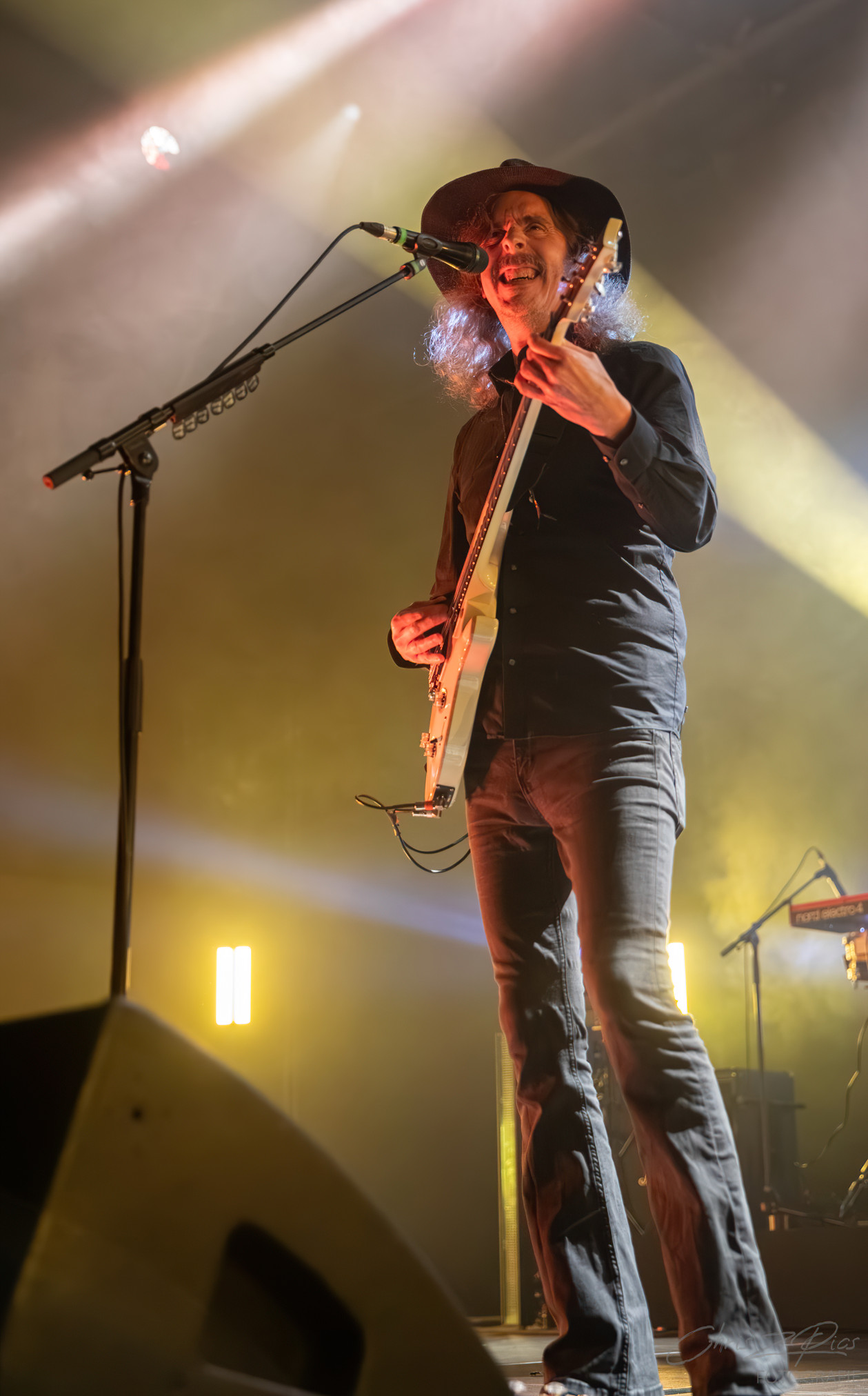
When the lights went out, everyone knew the dark lord of prog had arrived. Without a word, Opeth opened with §1 (Paragraph 1). It is the first track from their new album, a record whose songs are simply titled from 1 to 7, each representing a Paragraph of a testament. The album is a strict concept record that tells a sweeping story about the death of a family patriarch and the chaos that follows. It explores themes of inheritance, betrayal, identity, judgment, and redemption. “§1” is not only the opening chapter but also the first song released as a single. It was the first piece Mikael wrote when he began shaping the album. The song is told from the father’s point of view as he prepares to read his will and reveal hidden truths. It’s a perfect way to begin the night.
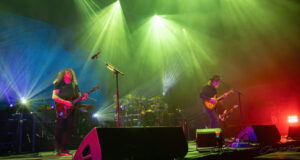
What thrilled the fans the most was Mikael’s powerful and unmistakable growl. It suggested something many longtime listeners had hoped for: the return of the Opeth sound from the 90’s. Thanks to the new drummer Waltteri and his background in extreme metal, Mikael felt inspired to create a heavier album, which shaped the entire performance we experienced tonight.
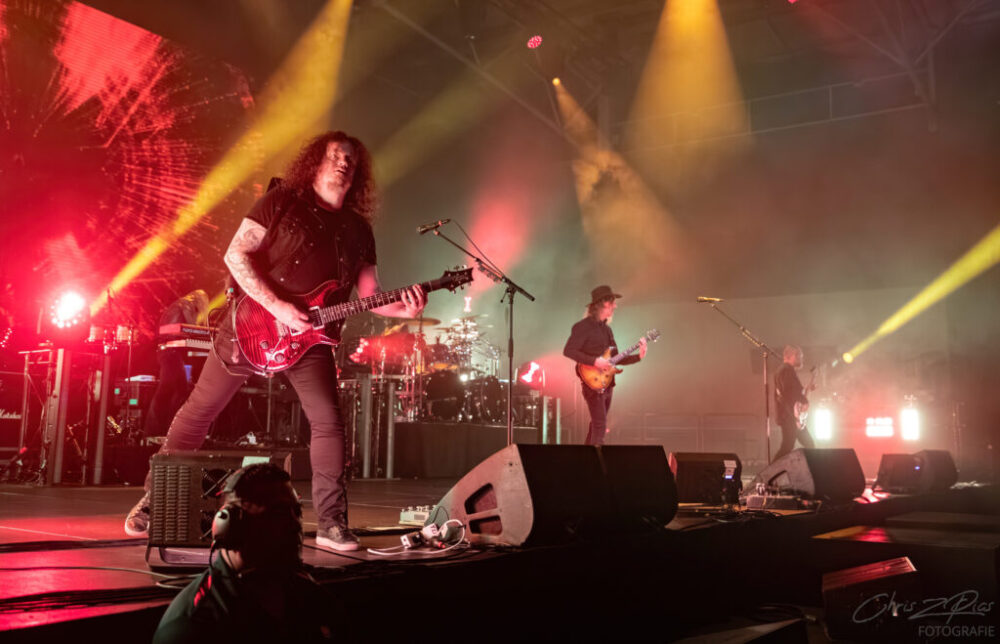
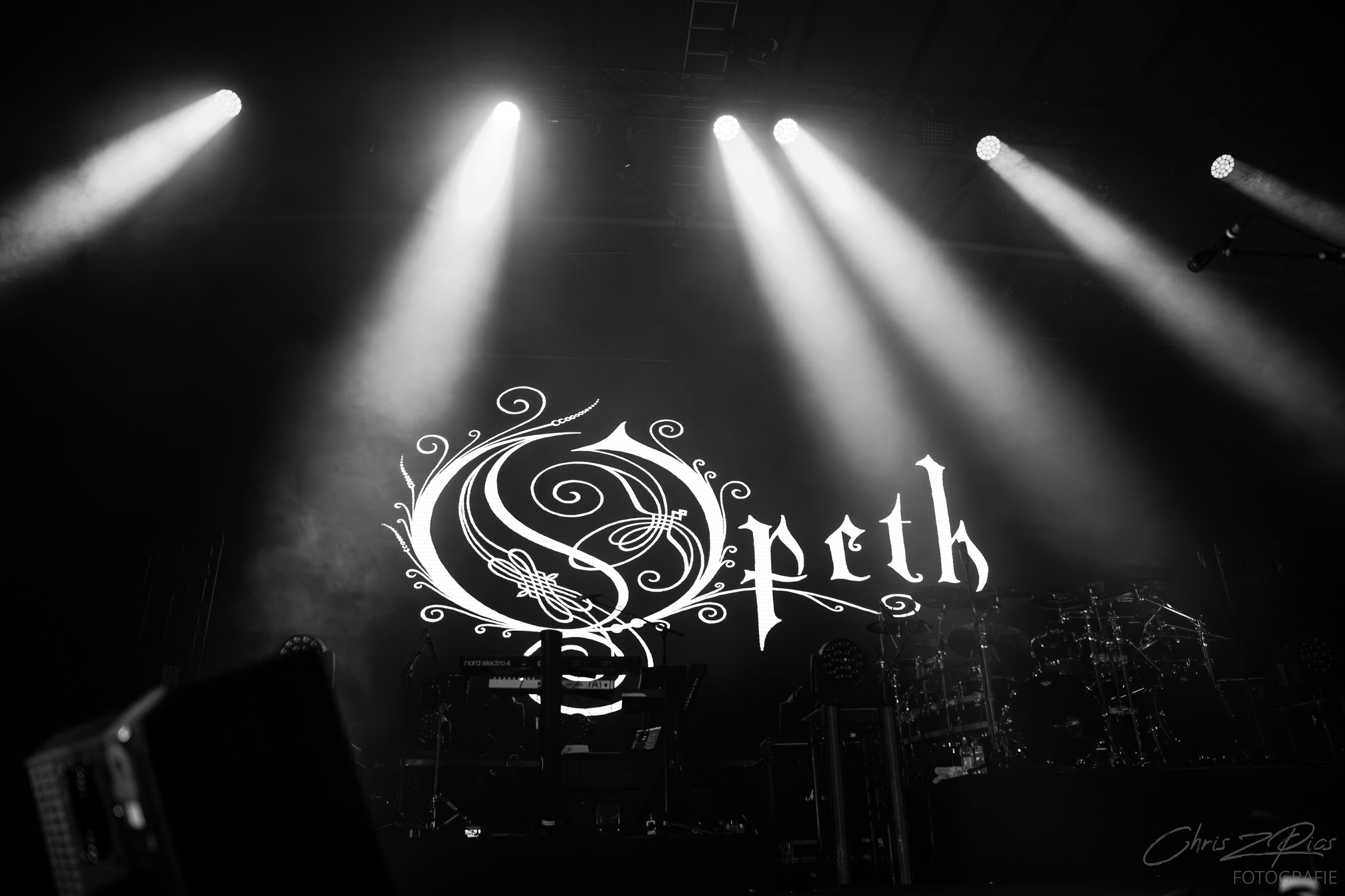
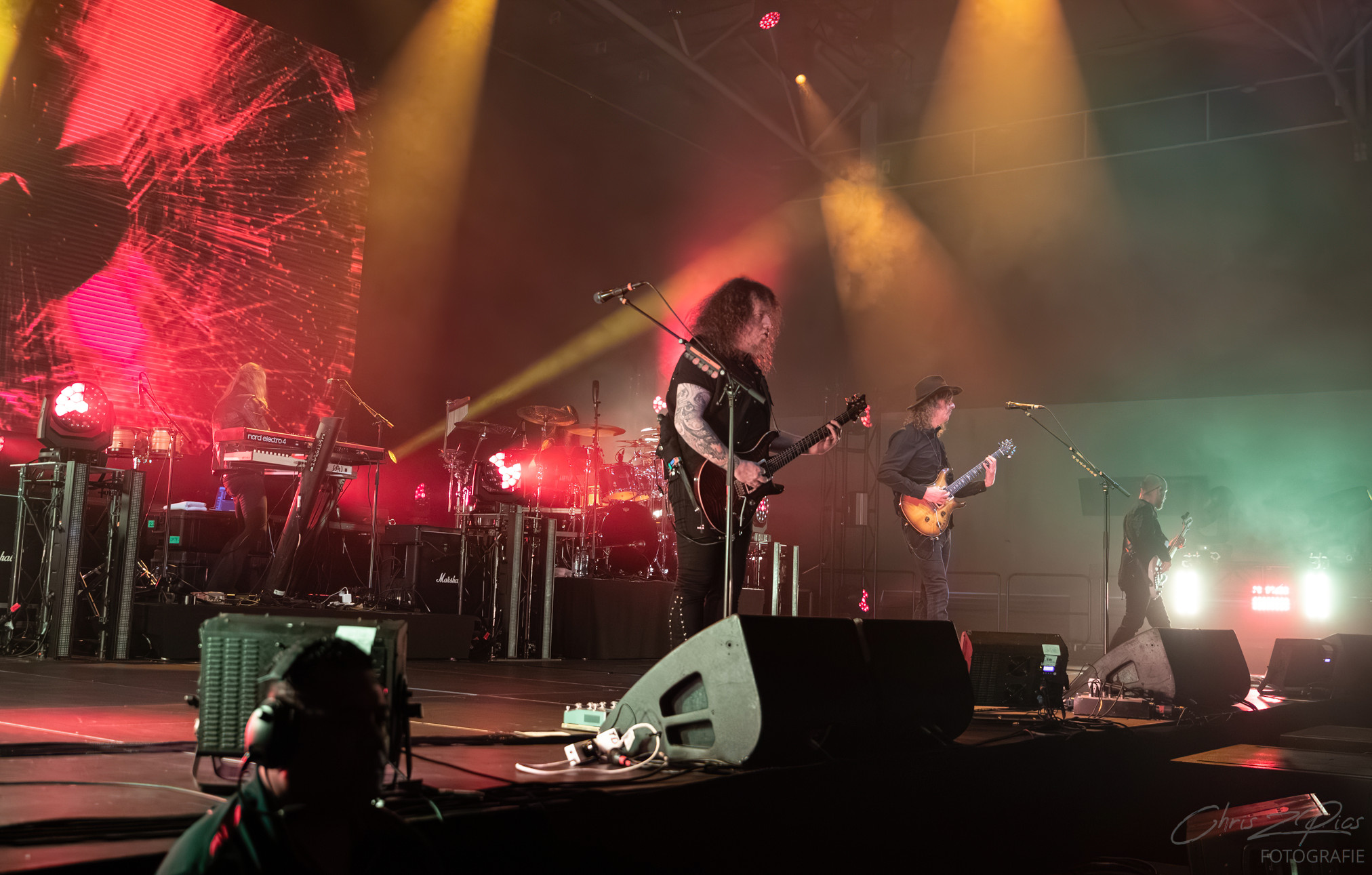
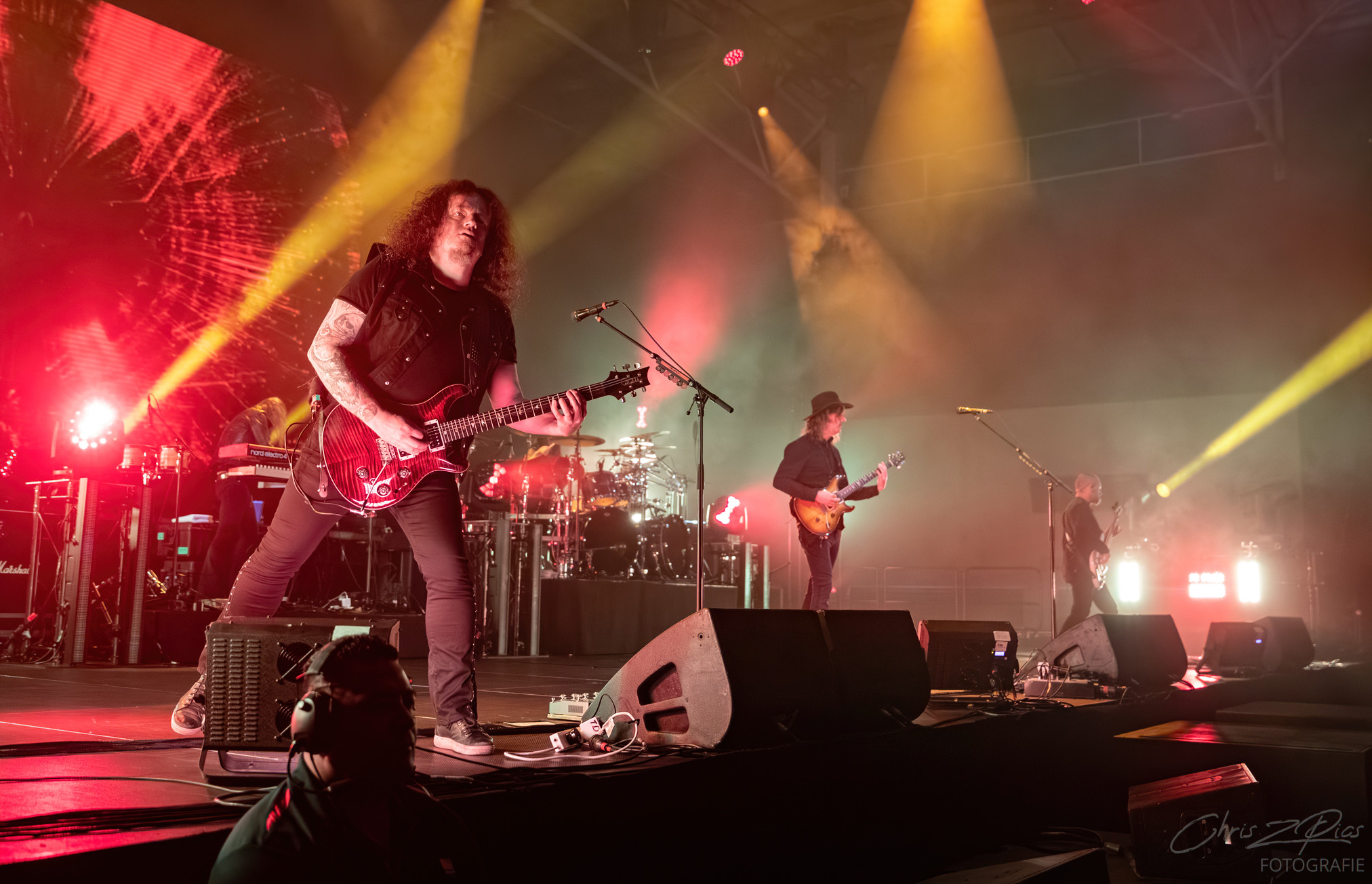
The stage went completely dark again. The next two songs were Master’s Apprentices and The Leper Affinity, both from Opeth’s early 2000 era. Mikael’s deep and resonant growl ignited the crowd. Fans in the standing area began headbanging while red and yellow lights flashed across the stage. The screen behind the band showed a distant full moon and a forest. When the clean vocals entered, the lights shifted to white and gathered from every direction onto Mikael. In that moment we saw how striking the dark lord looked under a pure white glow. A gentle keyboard solo brought the song to a close, the lights returned to red, and the track ended in a quiet and eerie stillness.
Many critics often praise Opeth for their intricate arrangements and complex storytelling, yet tonight proved that the band still holds the emotional force and raw heaviness that made their early years so influential.
After the first three songs, the entire venue lit up. Mikael greeted the crowd with a warm “It is nice to be back,” then joked about how far the trip was from Sweden to New Zealand. He ended with “Sorry about the seats,” which immediately sent the audience into laughter. I mentioned earlier that people in the back were headbanging, and this was exactly why it looked so unusual. Nearly 80% of the floor space in the arena was filled with chairs. Every ticket had an assigned seat, and you were expected to sit while listening to some of the best metal music on the planet. Our friend from Sweden clearly did not know this, but at the same time he understood how strange it felt to watch a metal show while sitting. He apologized, although none of the blame should be on him.
When I first saw the seats, I was shocked and confused. I could not understand why a metal concert would be arranged this way. A part of me wondered if they planned to perform the entire new album in order, from beginning to end, as a complete listening experience. It would have made sense because the album is such a tight concept piece, almost without space to breathe. The idea turned out to be wrong, but it was still an intriguing thought. If I ever had the chance to hear a full album performance like that, I would sit patiently through the entire thing.
The next song was §7. It is the final numbered chapter of the record and the second to last song. Before they began, Mikael explained that Opeth is a one hundred percent live band. They do not use prerecorded tracks unless there is a rare exception. This song happened to be one of those exceptions because it features the voice of the legendary Ian Anderson, the heart of Jethro Tull. Mikael told us that Ian would be present in the sound system and kindly reminded everyone that he was not performing live from his home at that very moment.
Ian Anderson contributed his voice to four songs on the album and played flute on three of them. It was an exciting collaboration that surprised many fans. You could feel the spirit of prog being passed from one generation to the next as a veteran supported a younger band. §7 is a mid tempo track that brings the story of the testament to its conclusion. The song gradually moves toward a feeling of calm, resolving the tension created throughout the album.
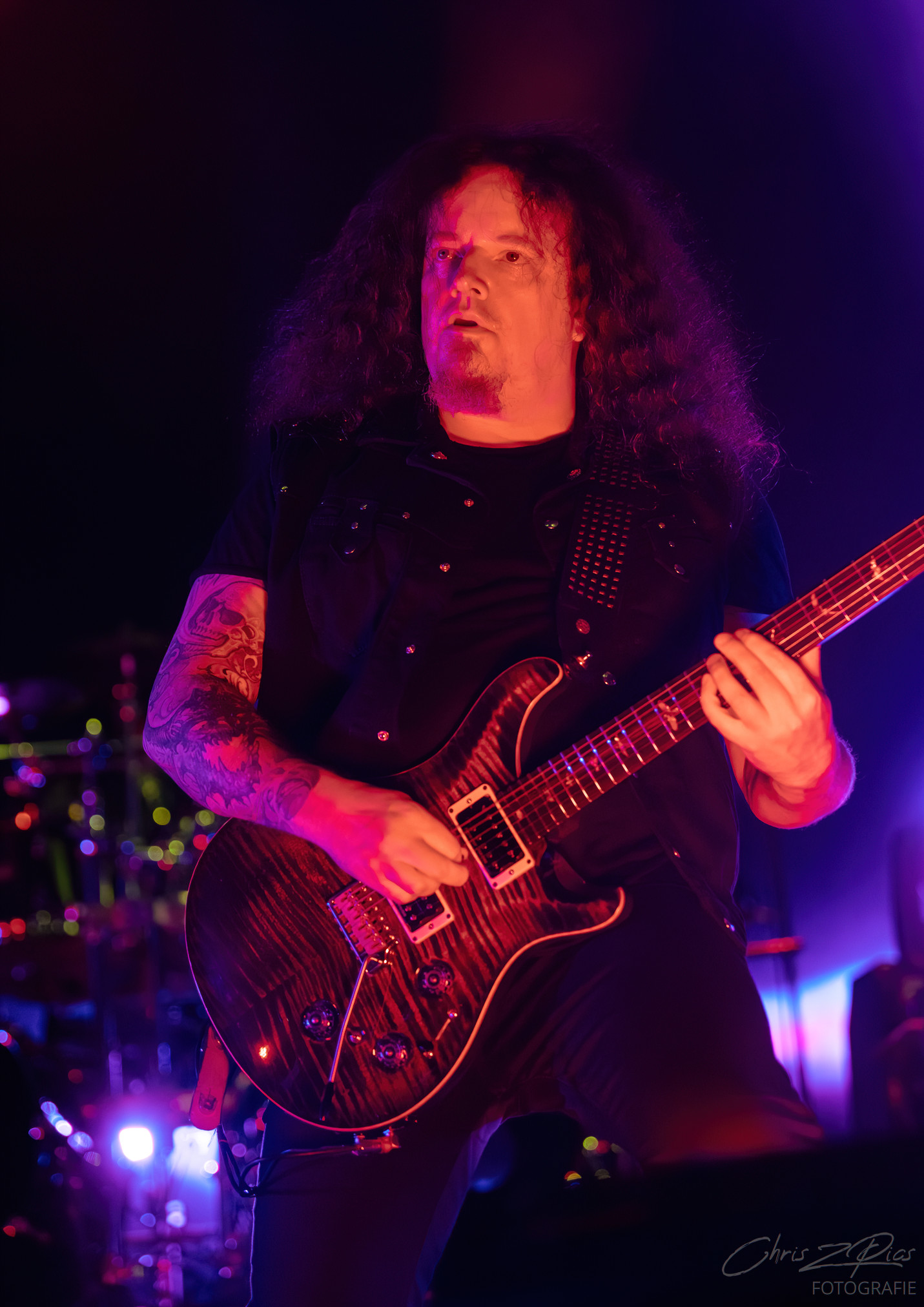
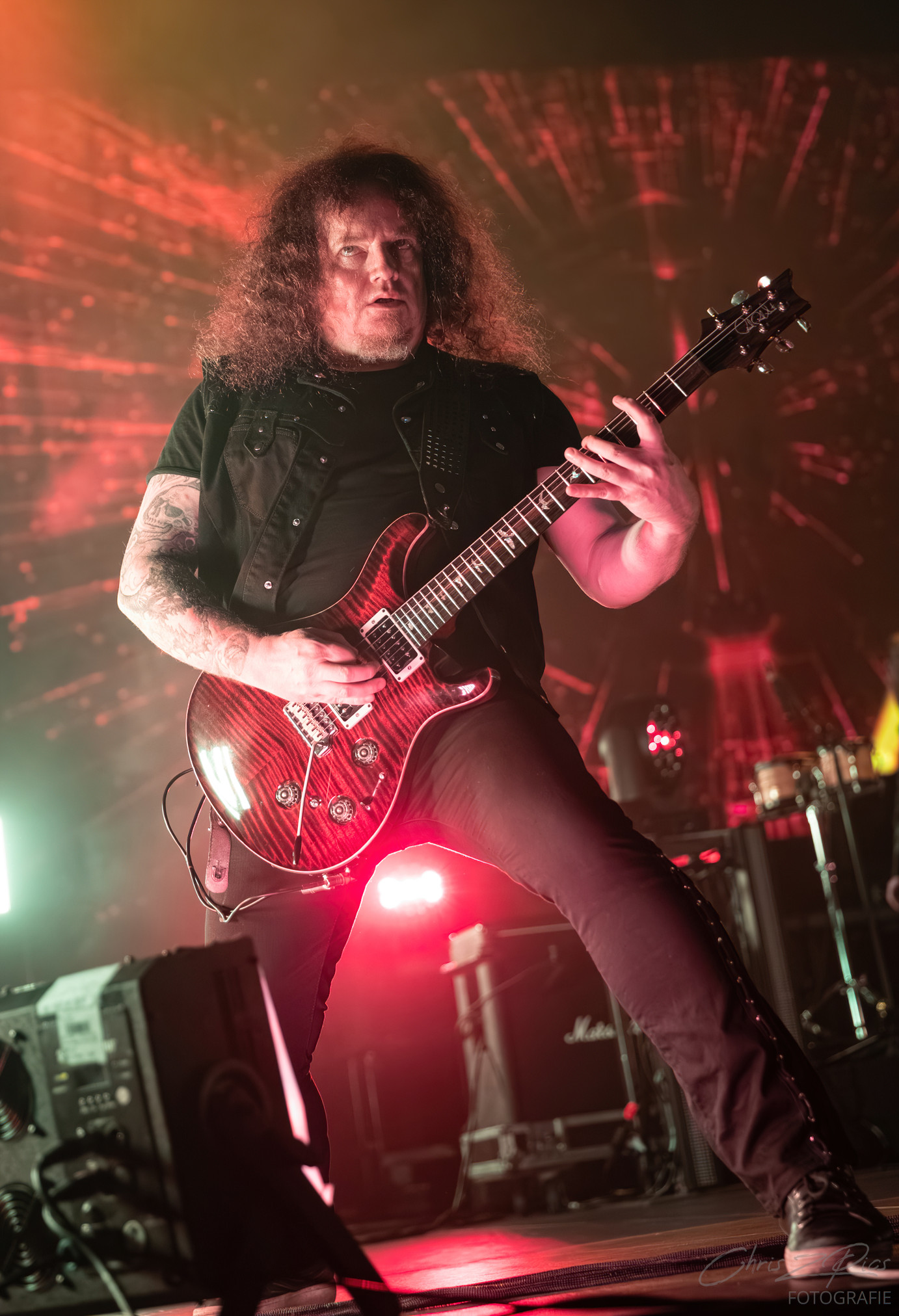
The next part of the show brought three older songs. Mikael introduced The Grand Conjuration by saying it was an evil sounding piece. He was clearly very comfortable with that darkness, and the crowd’s reaction proved how much people adore his growl. Orange lights slowly rotated with the rise and fall of the music, and Fredrik’s guitar solo cut through the air with a smooth and powerful tone. It was one of those moments that reminded everyone how refined the band’s musicianship has become.
The following song was §3 from the new album. Mikael joked that he hated performing it because it was too difficult. It was a very prog driven track, and you could hear it immediately from the riffs. The song highlighted the depth of his writing skills, and the vocals alone were a major challenge. Watching them perform it live made the complexity even more impressive.
Then came Demon of the Fall, a song from Opeth’s wild era in 90’s. Mikael mentioned that it never became a hit and he had never heard it on the radio. Yet he clearly loves it, since it is one of the two songs that have stayed in the setlist without change. It was already part of their show in the year 2017. During the performance, four young men left their seats and rushed to the front. They sat on the ground and headbanged, possibly because they did not want to block anyone’s view by standing. It was very unusual and it was the first time I had ever seen fans headbang while sitting on the floor. The moment did not last long because security quickly removed them, as it seemed to break the venue rules.
Before the final song, Mikael spoke for quite a while. He told the crowd how much he loved Fleetwood Mac and shared a story about the first time he met Peter Green. He was so nervous that he slapped Peter on the back far too hard, which shocked him. The story was awkward and funny in the best way, and it lifted the mood in the venue. After that, they prepared for the last song of the evening, Ghost of Perdition. The song uses an open tuning, so Mikael spent a moment adjusting his guitar. It is a ten minute piece, long yet beautifully structured, with clear shifts between sections and a gentle acoustic guitar sound in the middle. It felt complete in every sense.
As soon as the song began, people started moving forward from the back. At first it was only a few, then a dozen, then almost everyone. The front section quickly filled with bodies pressed together. For the first time that night, the venue finally looked like a true metal concert. Fans were headbanging, shouting, and punching the air. All the energy that had been held in for the entire show was suddenly released. Security no longer tried to stop it because it was impossible to resist the will of so many people. I ran down from the second level and joined the crowd, shouting with them and enjoying the moment the way a metal show should be experienced.
When the song ended, the audience looked as if they had only finished warming up. Opeth barely had time to leave the stage before people called them back. The show was clearly not over. Mikael introduced each member of the band and thanked the audience again and again. In a venue arranged with seats, the hundreds of fans who packed into the front gave the band the highest respect that metal fans can offer. It was a moment from one metalhead to another.
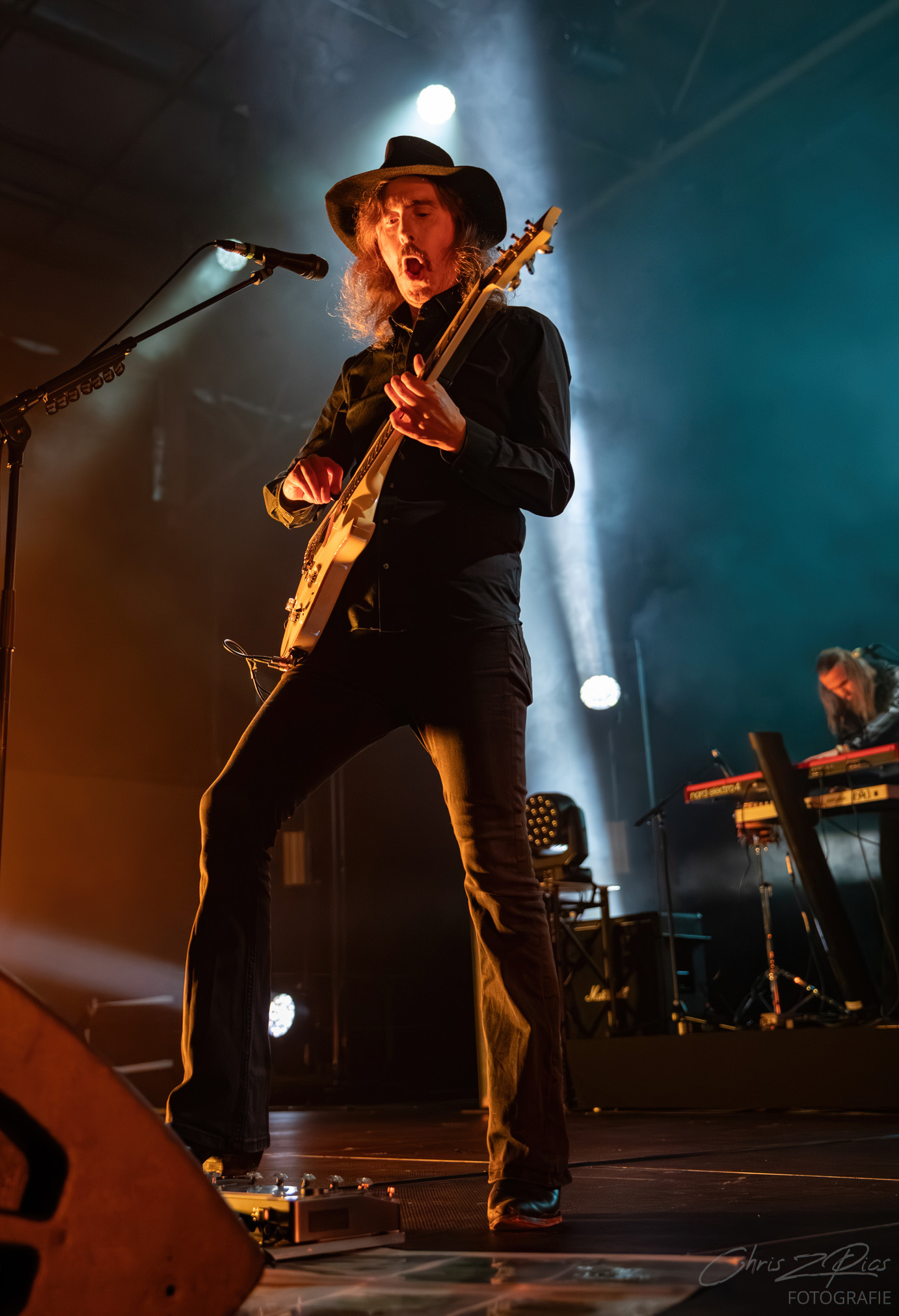
The final song was Deliverance, a longer piece from 2002. It was harsh and furious, the sound that defined Opeth twenty years ago. Near the end of the song, Mikael stood at the center of the stage with his eyes closed, his head slightly raised, repeating the same chord. In that moment he looked like the dark lord of prog, admired by thousands.
When the final notes faded, I felt grateful for the visual and sonic journey Opeth had created. I first listened to them when I was a teenager, flipping through music magazines and admiring the writers more than anyone else. Many years later, I found myself on the other side of the world, watching Opeth perform right in front of me and writing a review of their show. It felt genuinely unreal in the most beautiful way. I am more than grateful for the beauty Opeth continues to share, and I am ready for the next paragraph of my life.
Ming Lyu
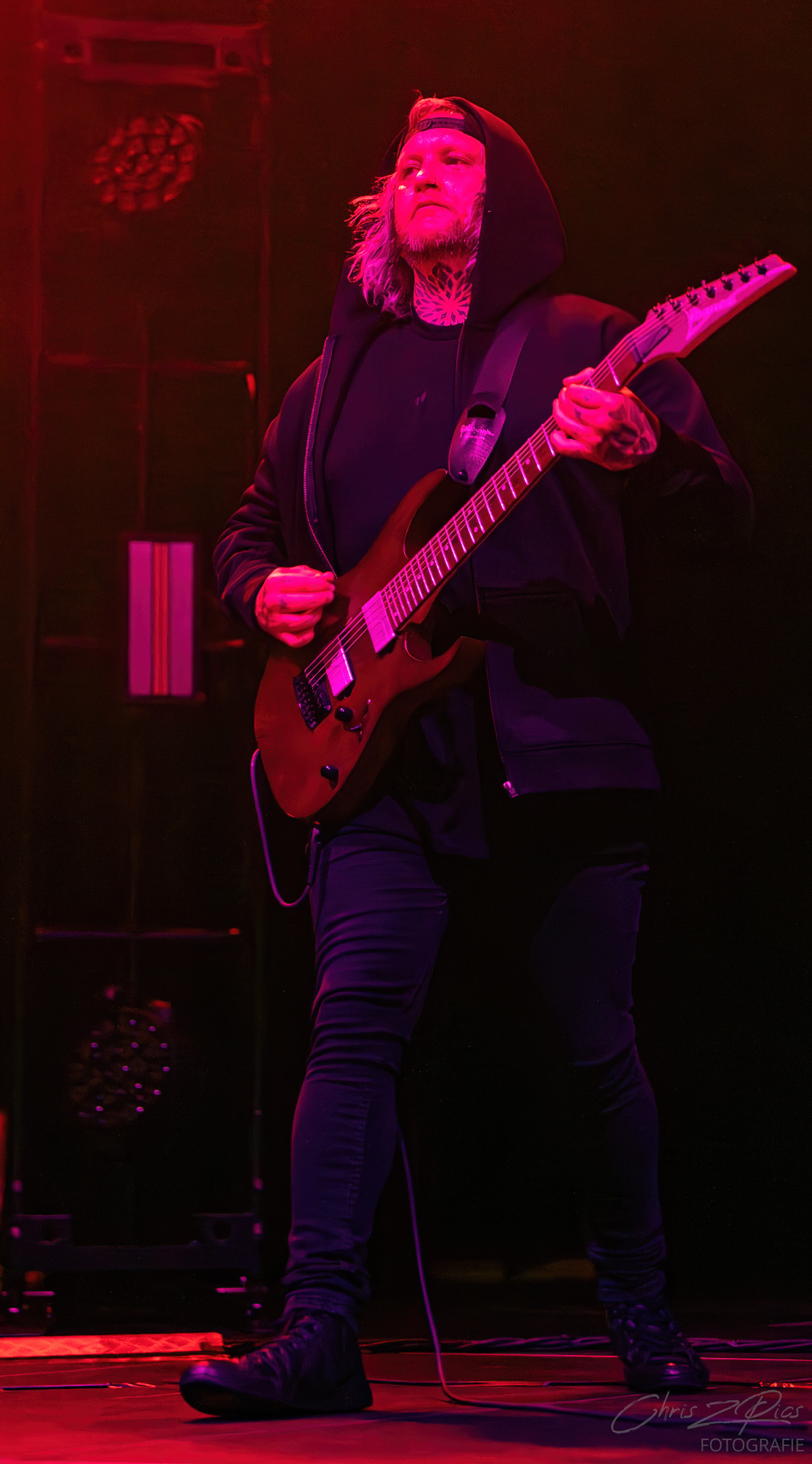
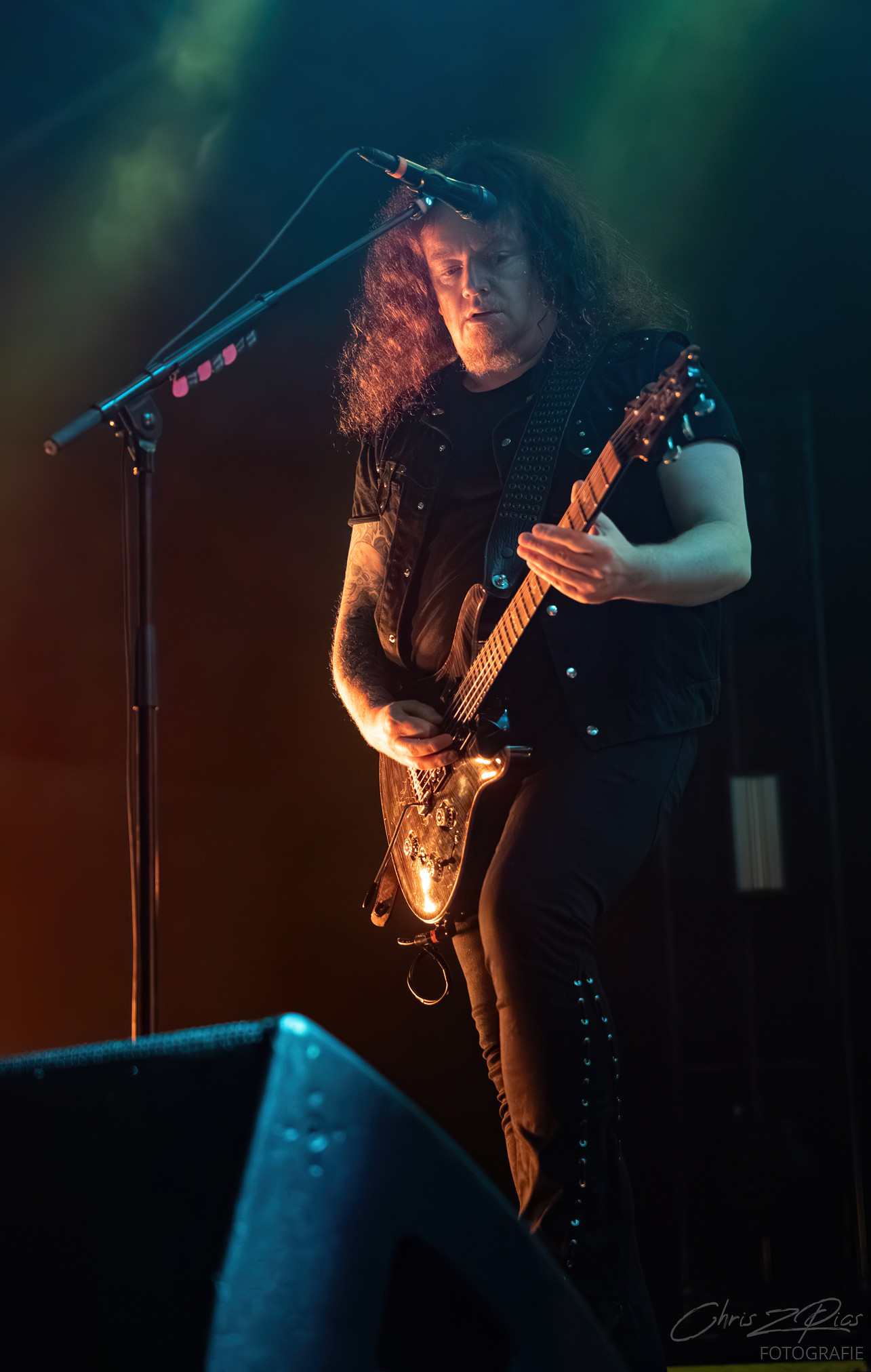
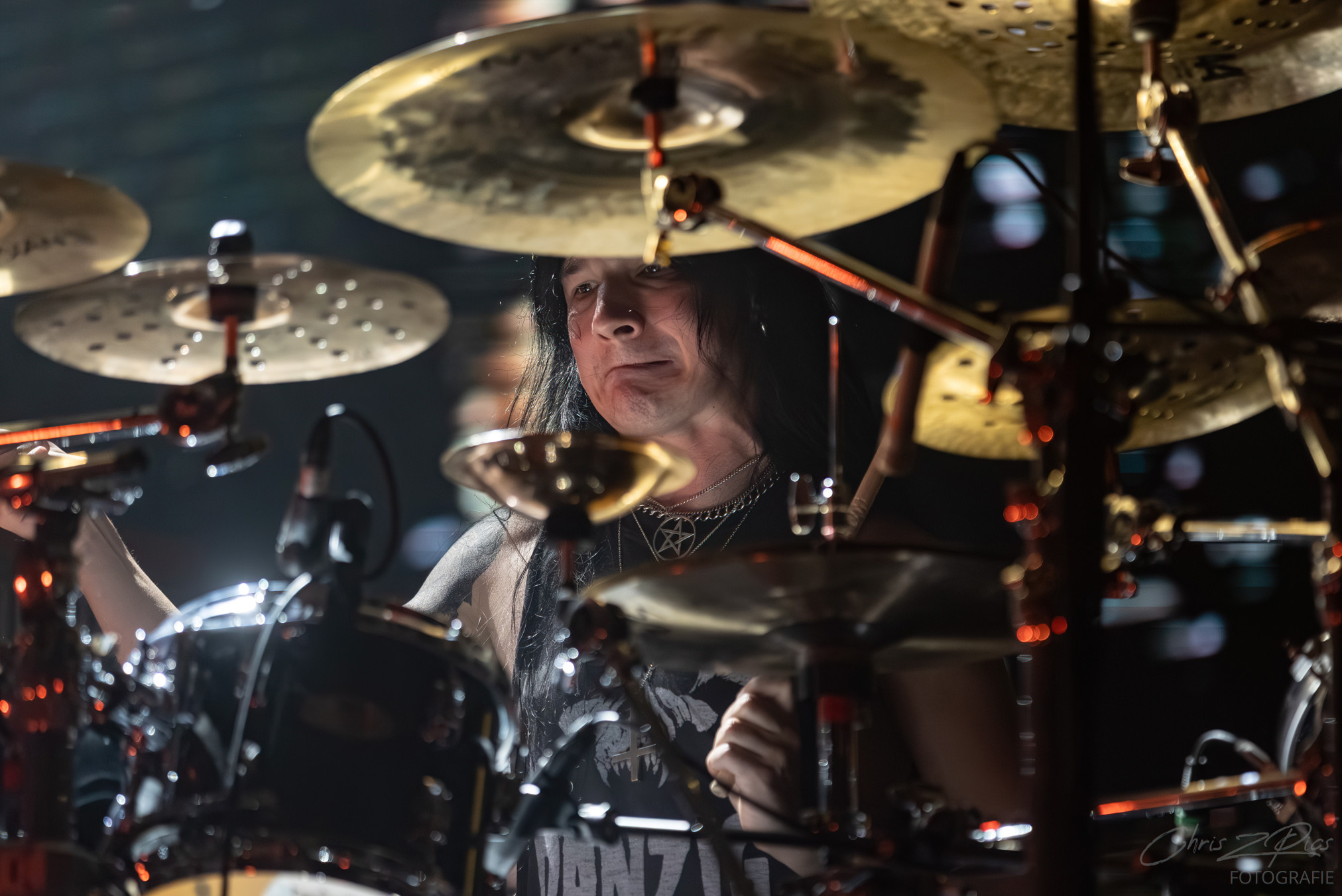
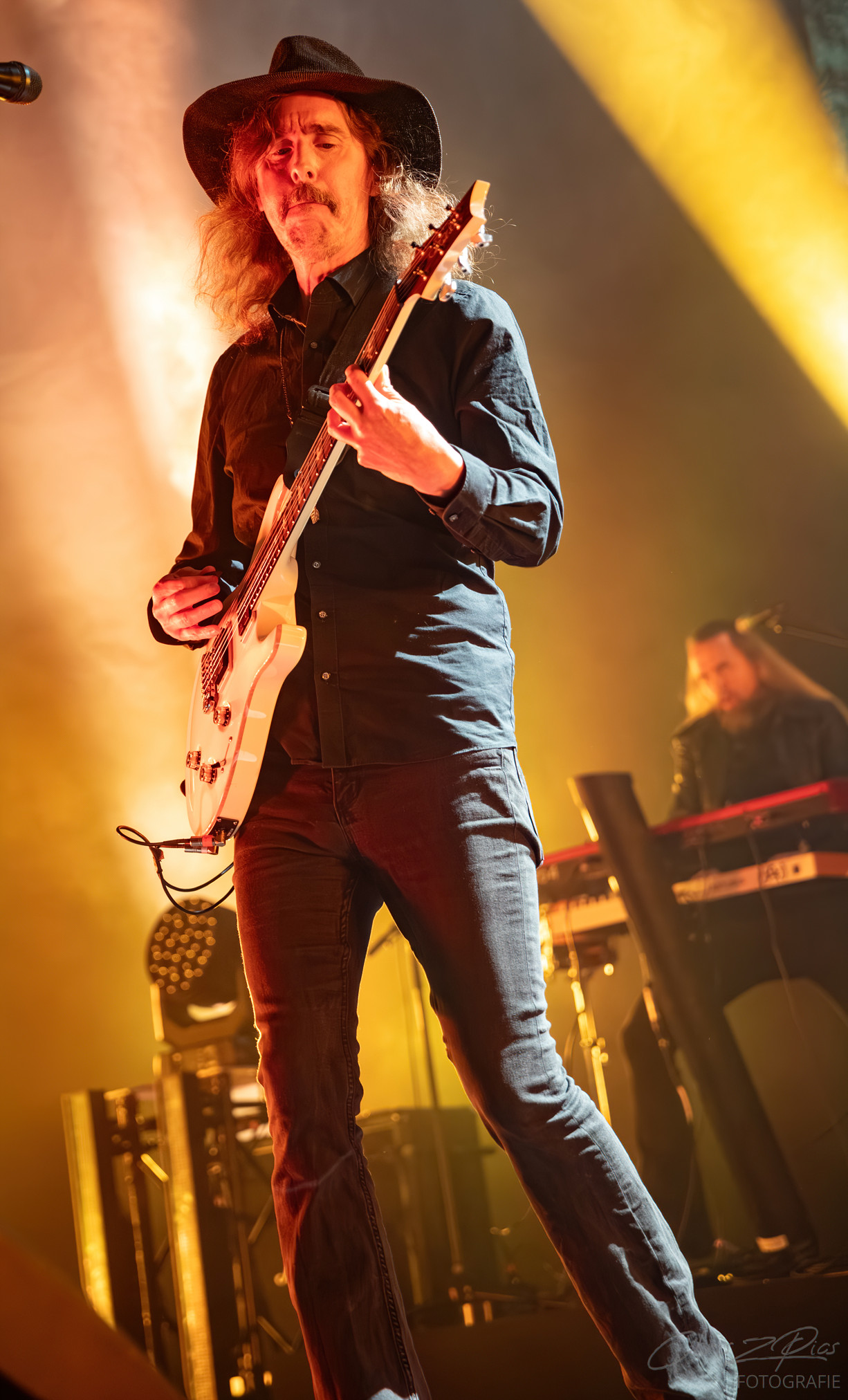
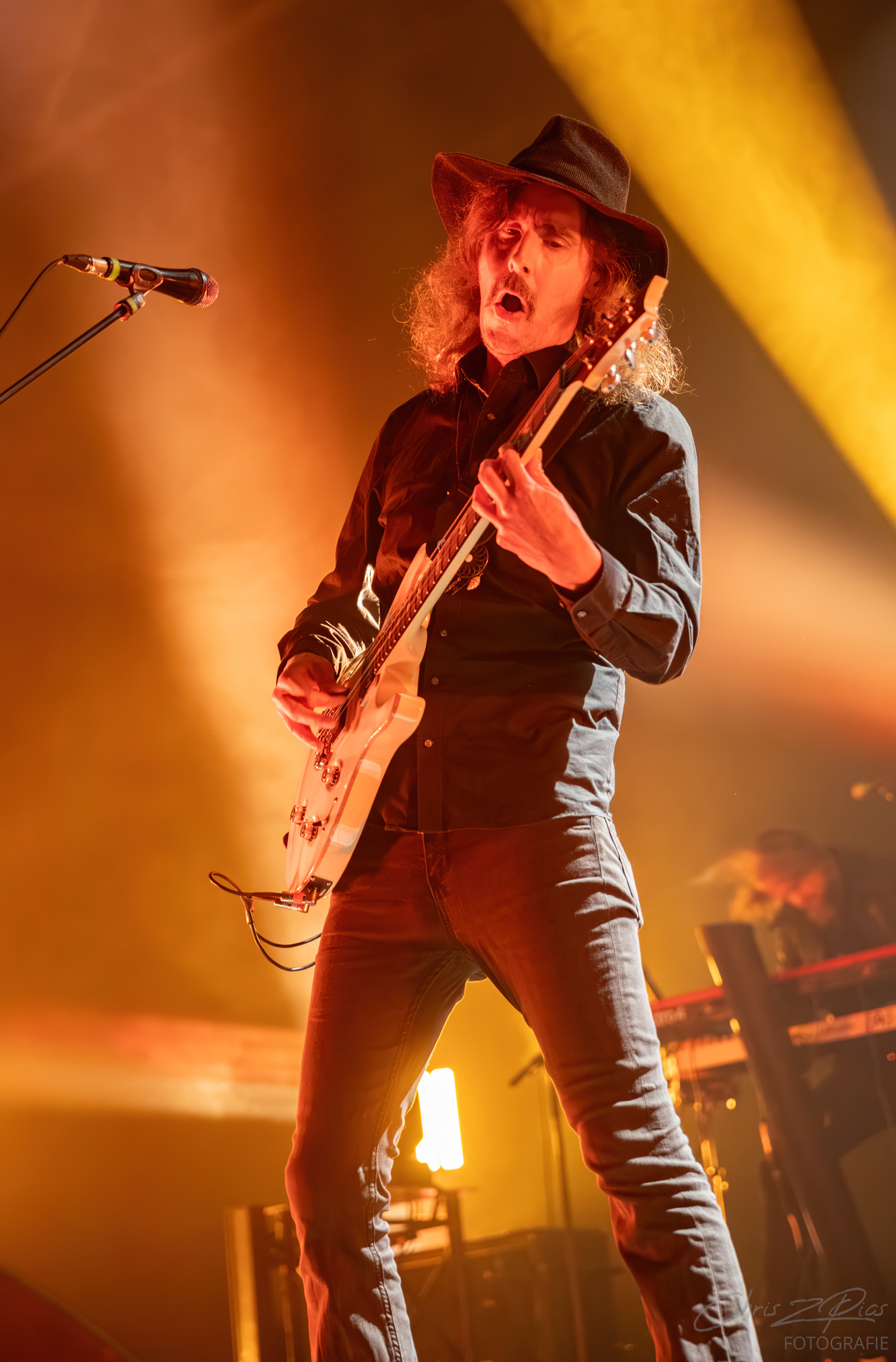
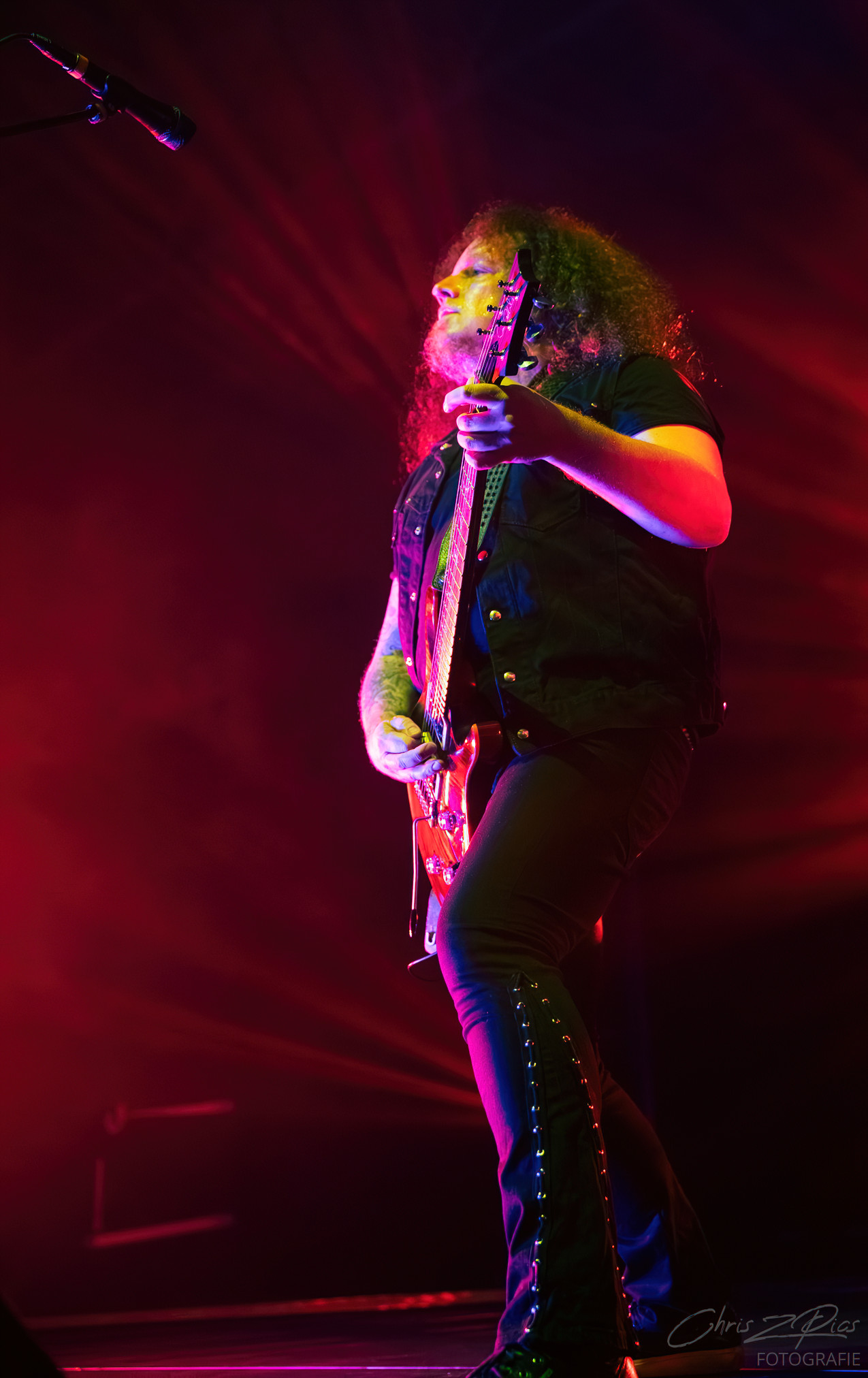
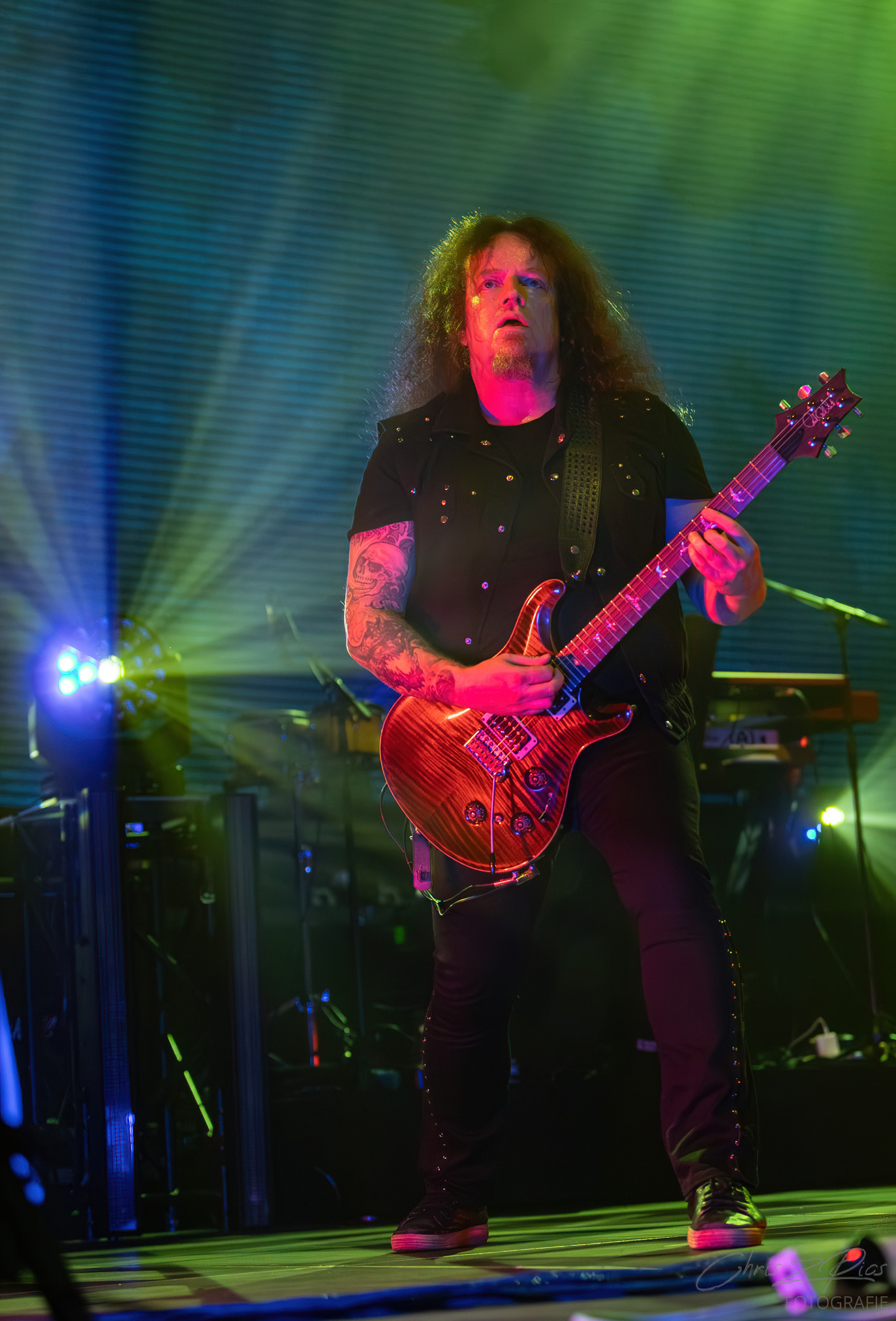
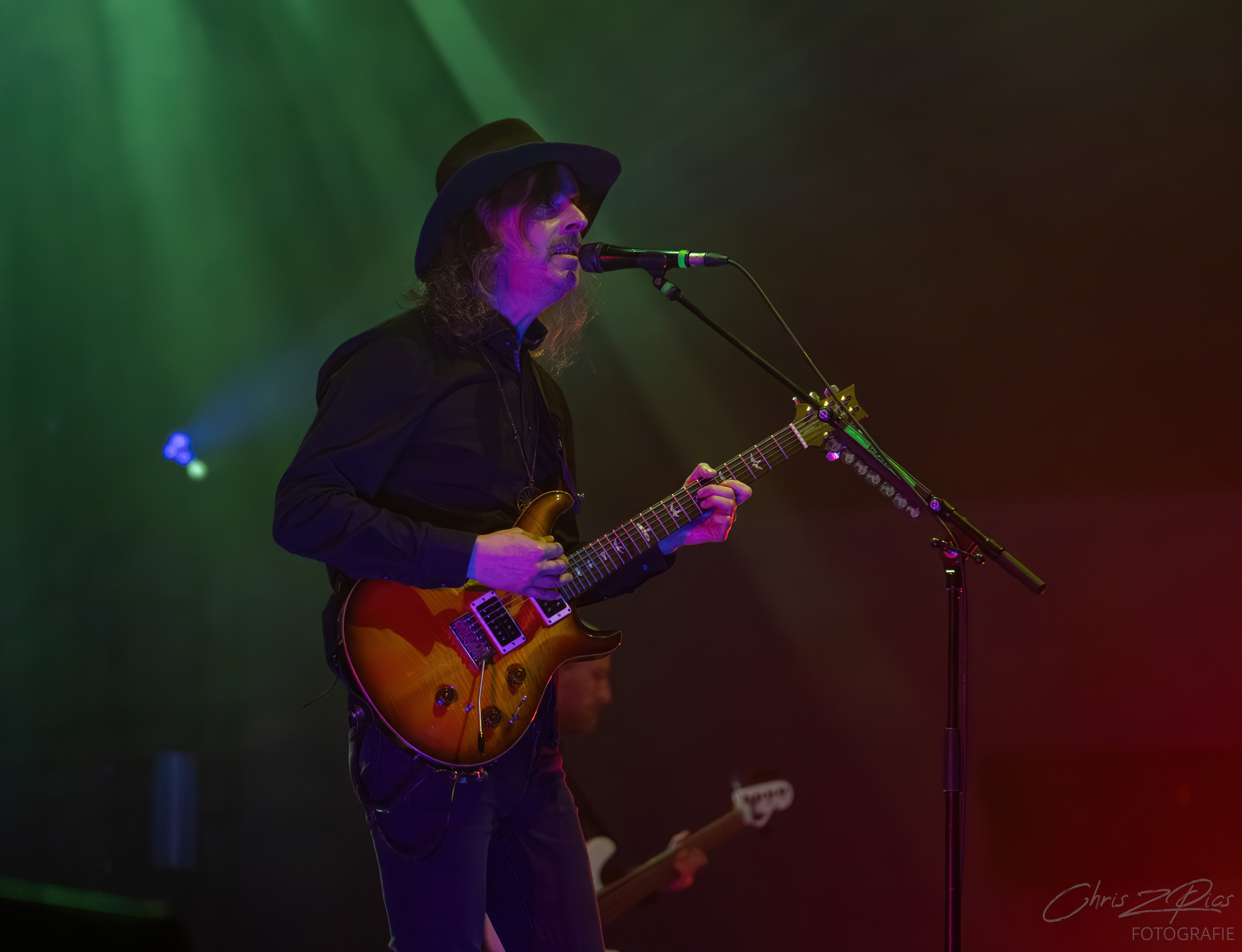
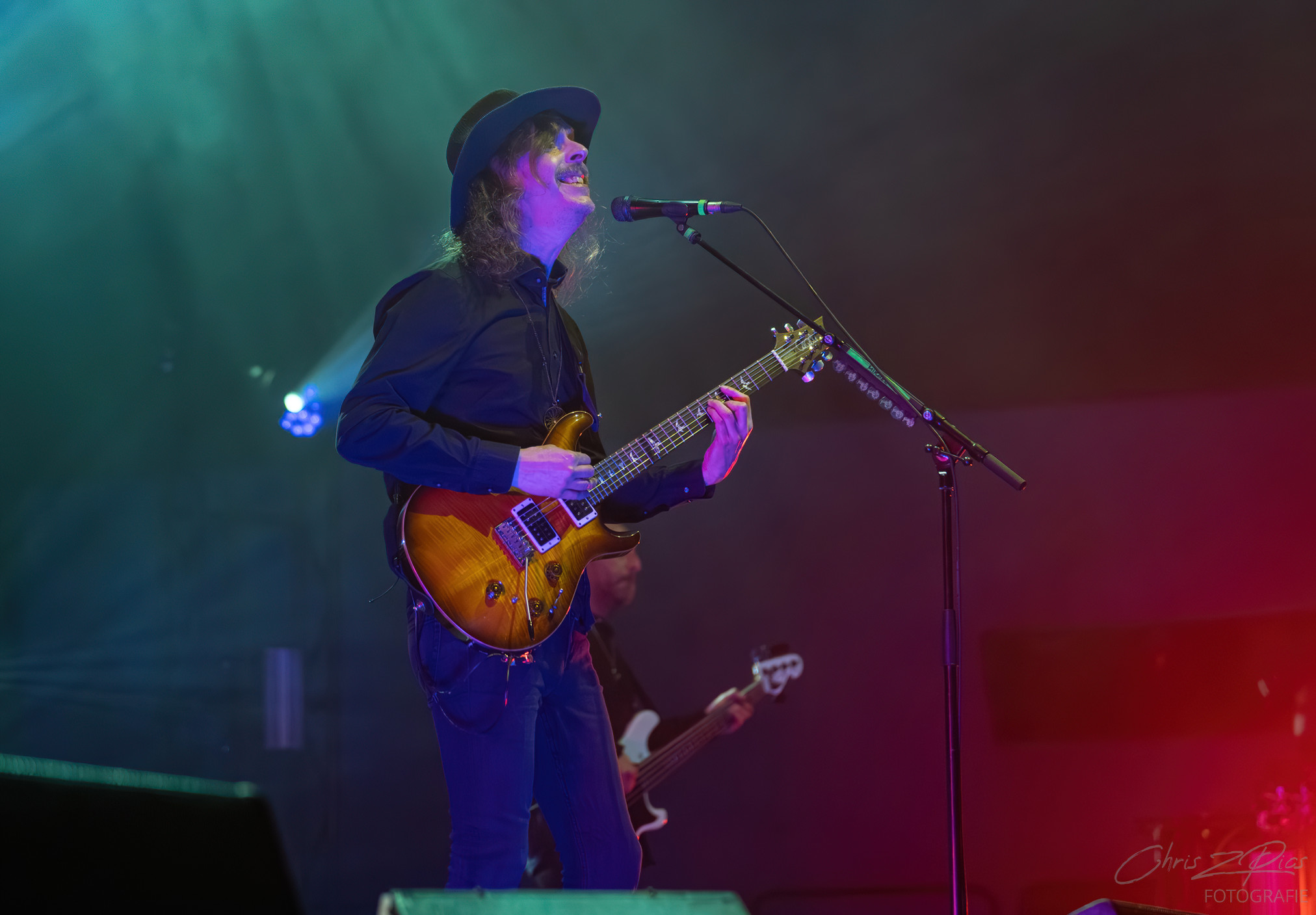
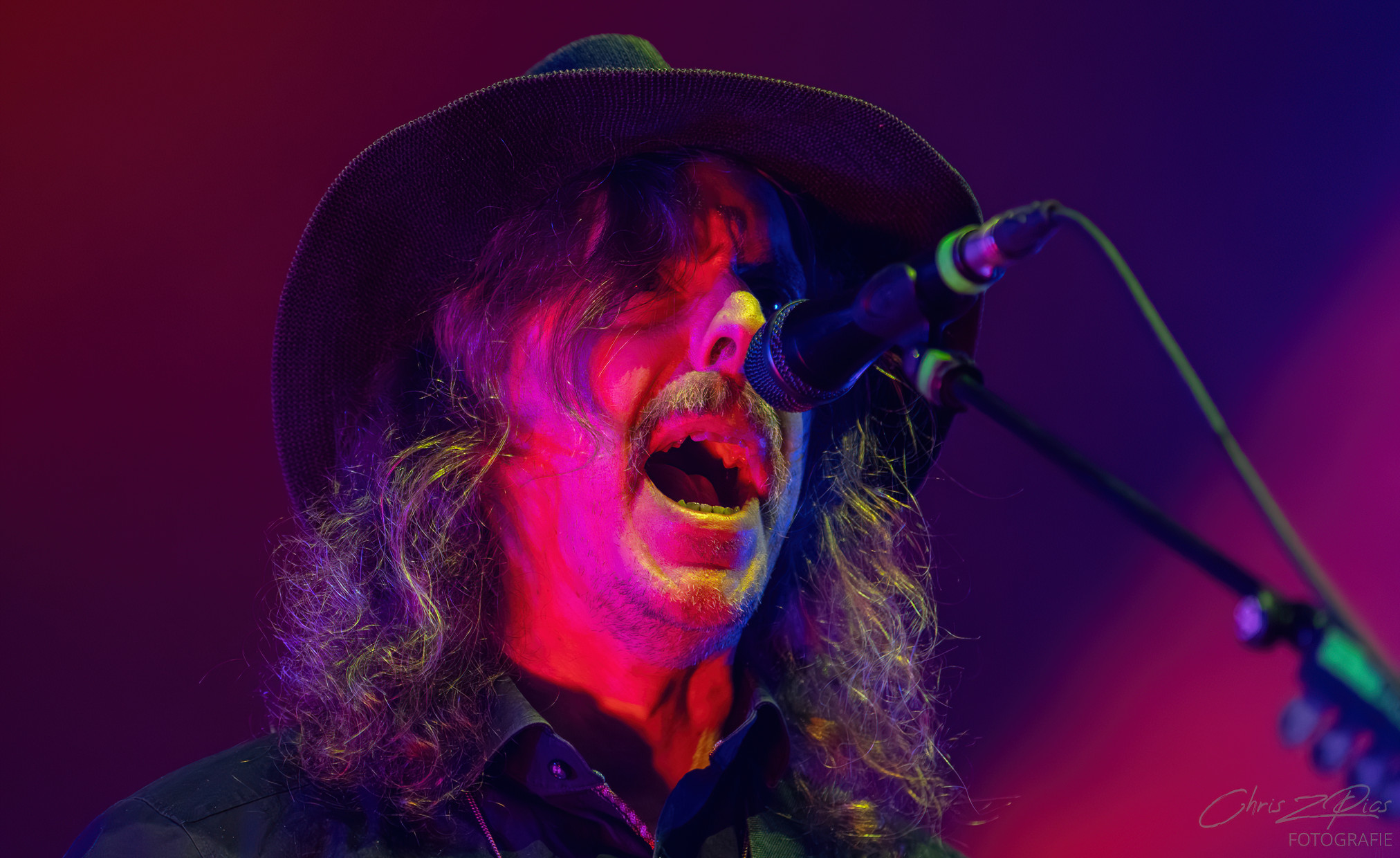
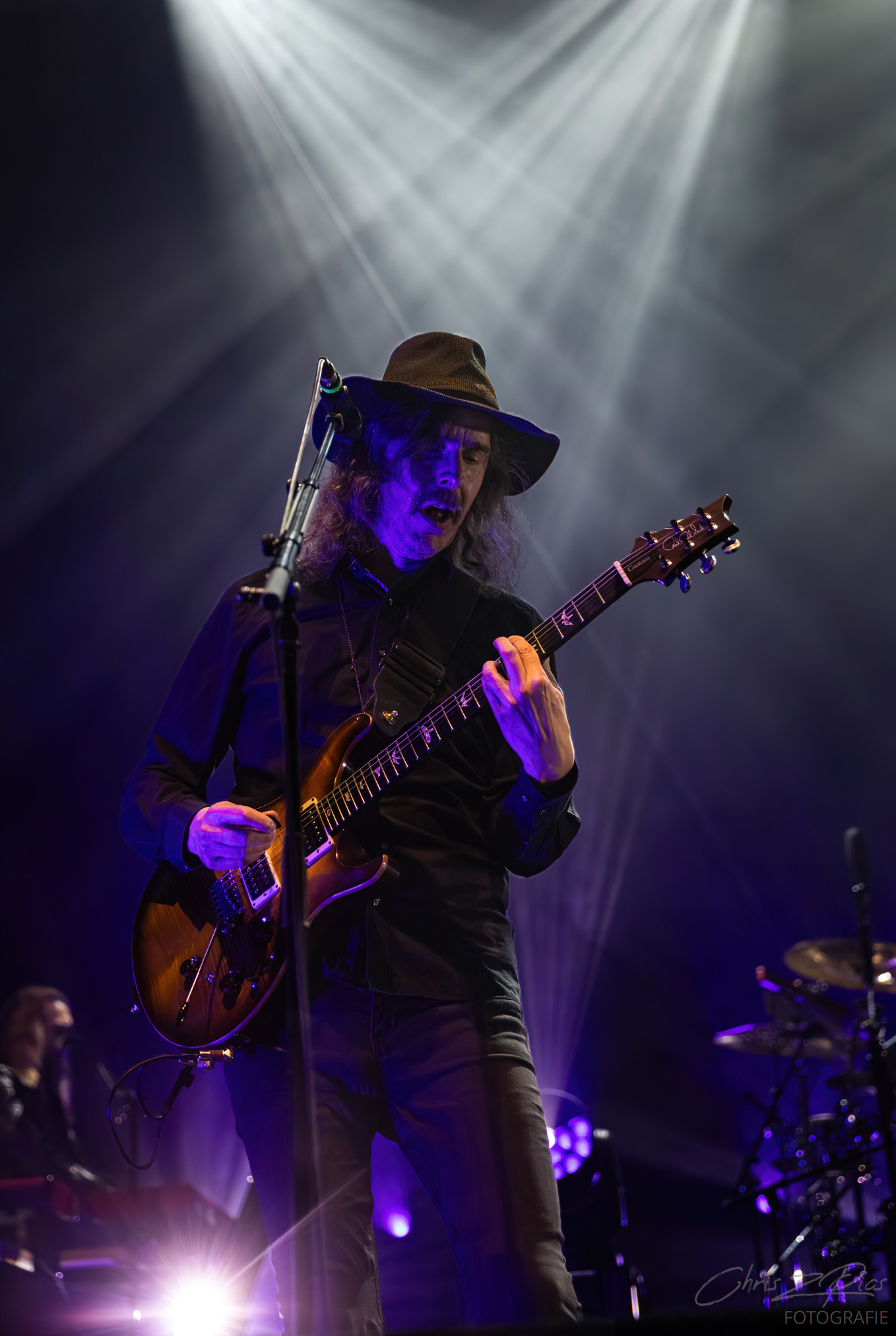
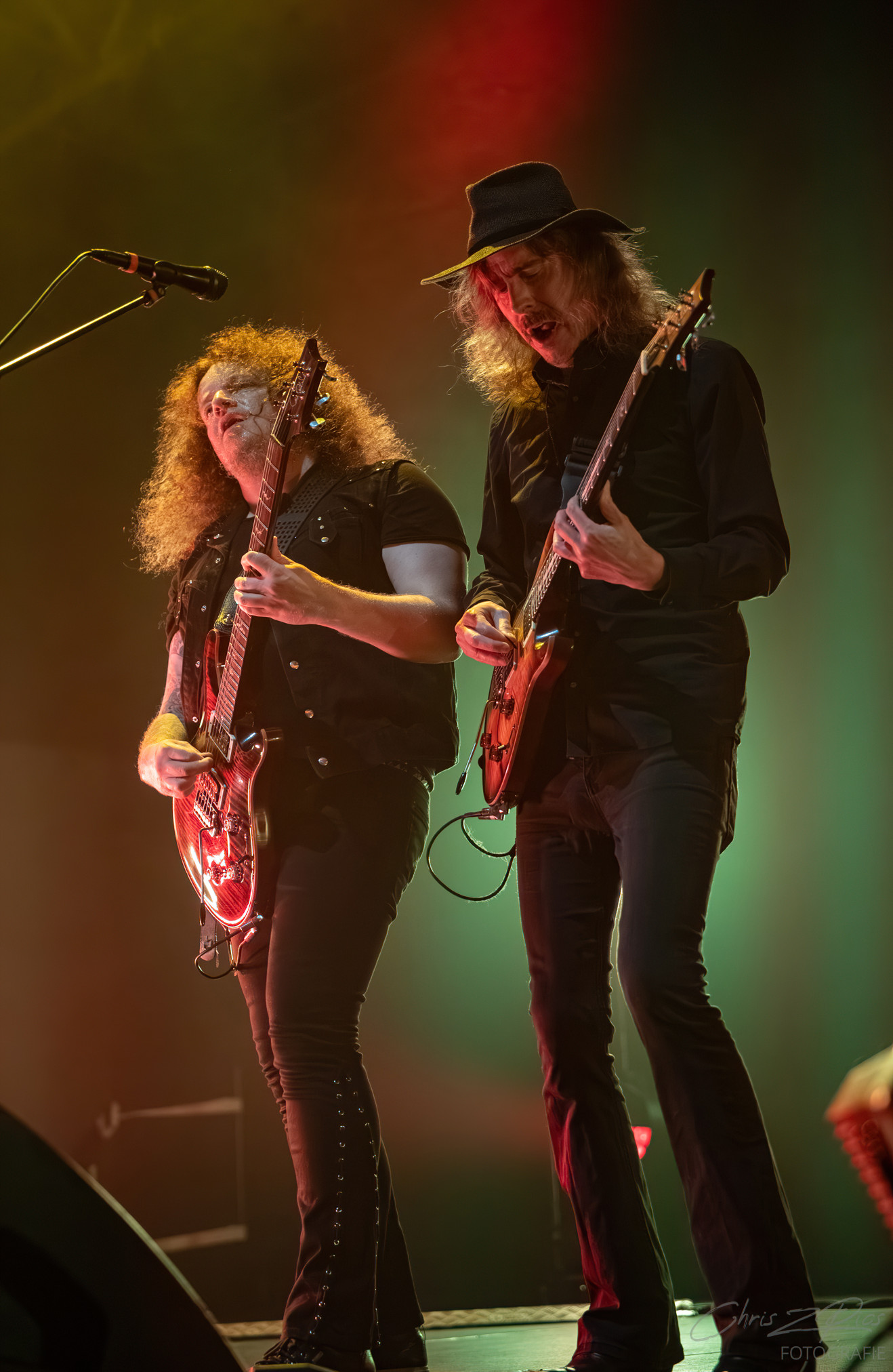
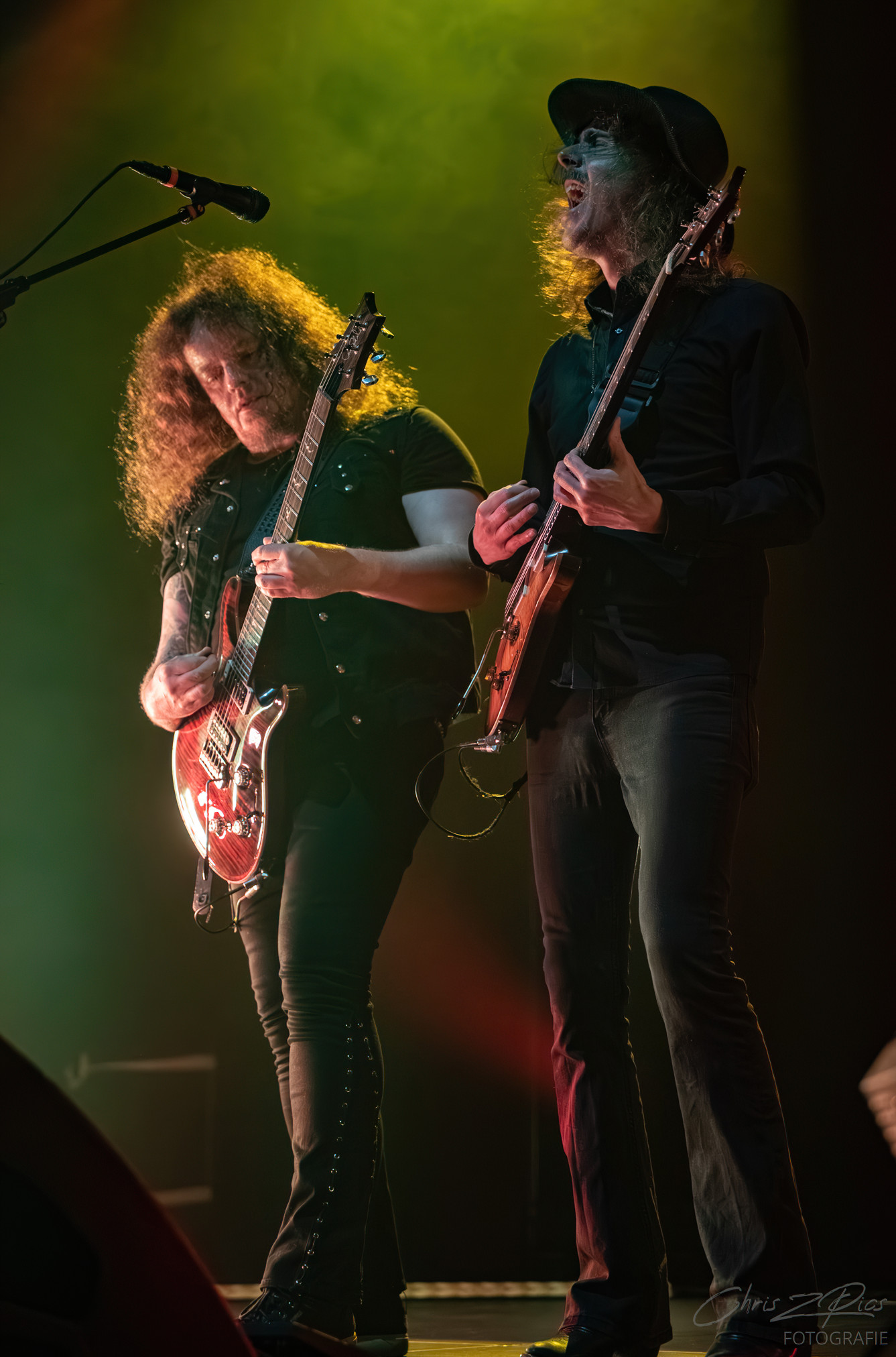
Click on any image to view a photo gallery by Chris Zwaagdyk:
Opeth:
Pull Down The Sun: