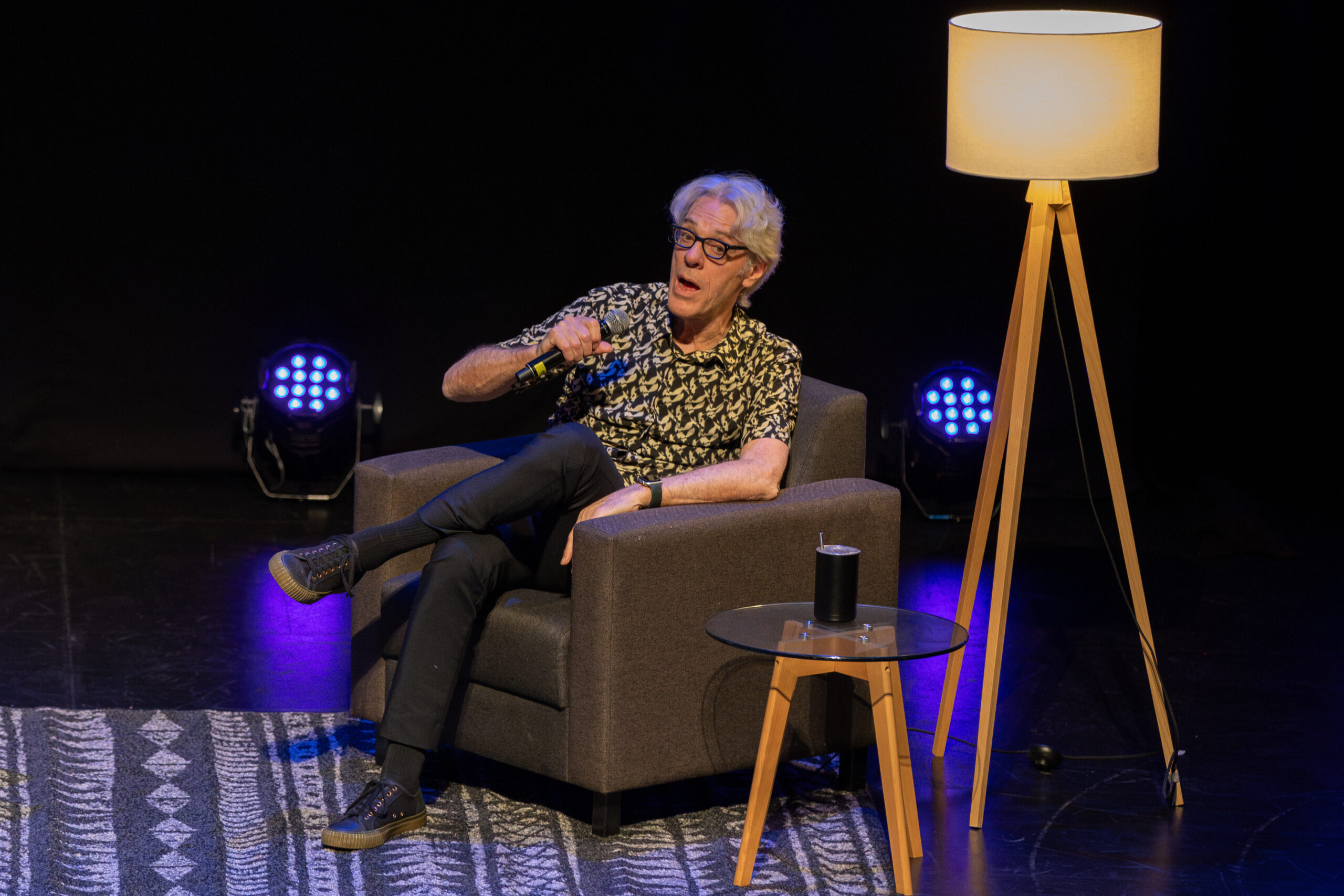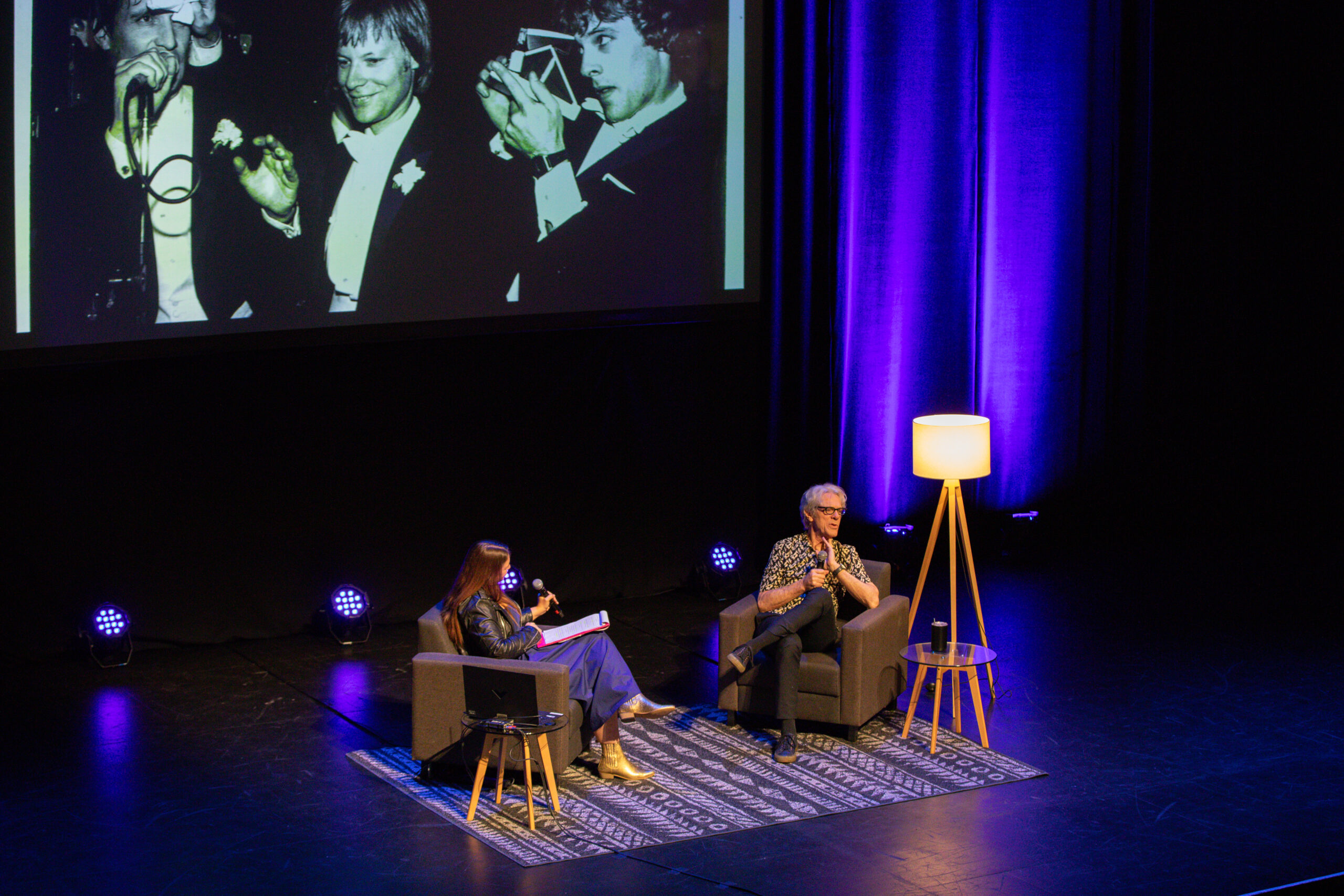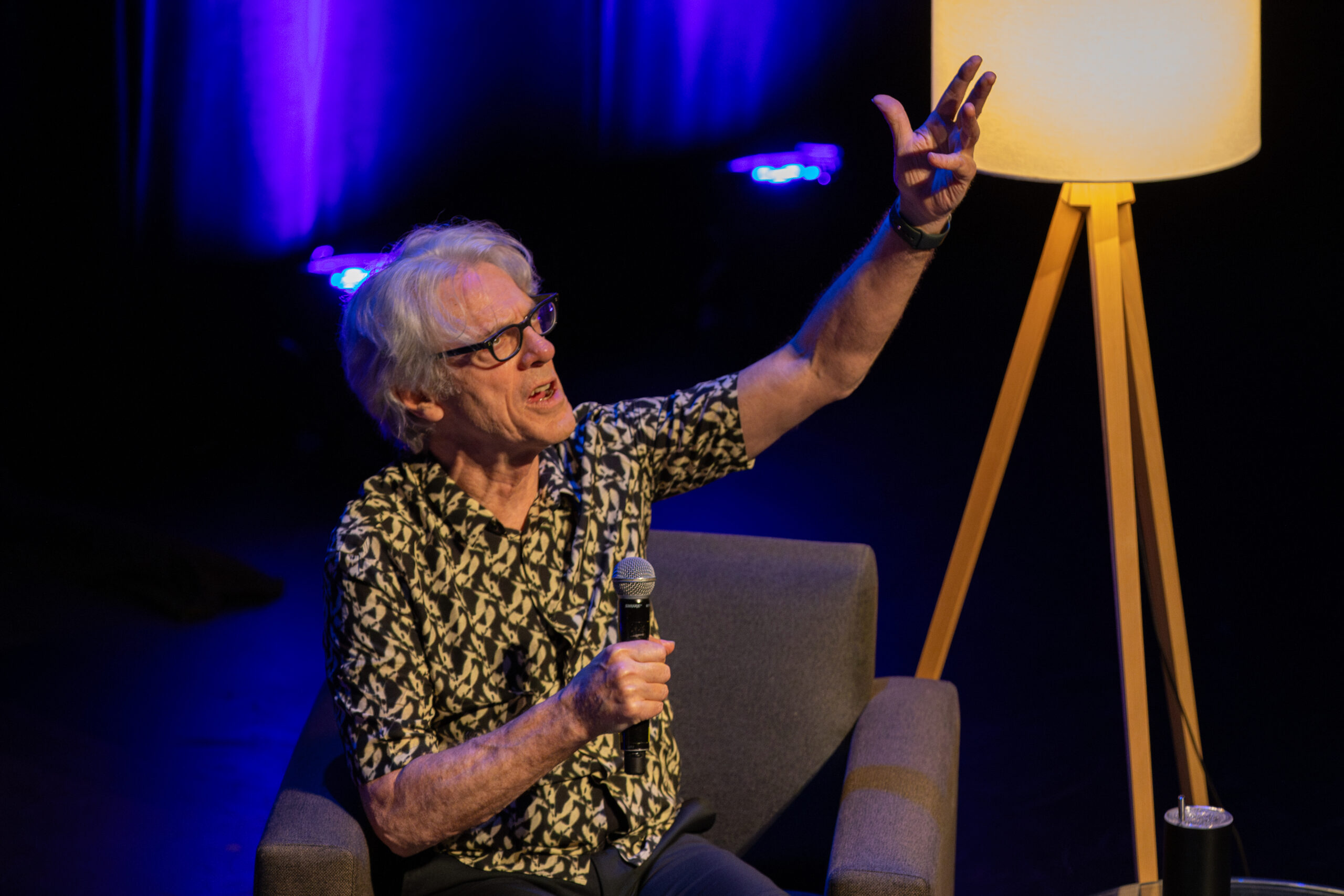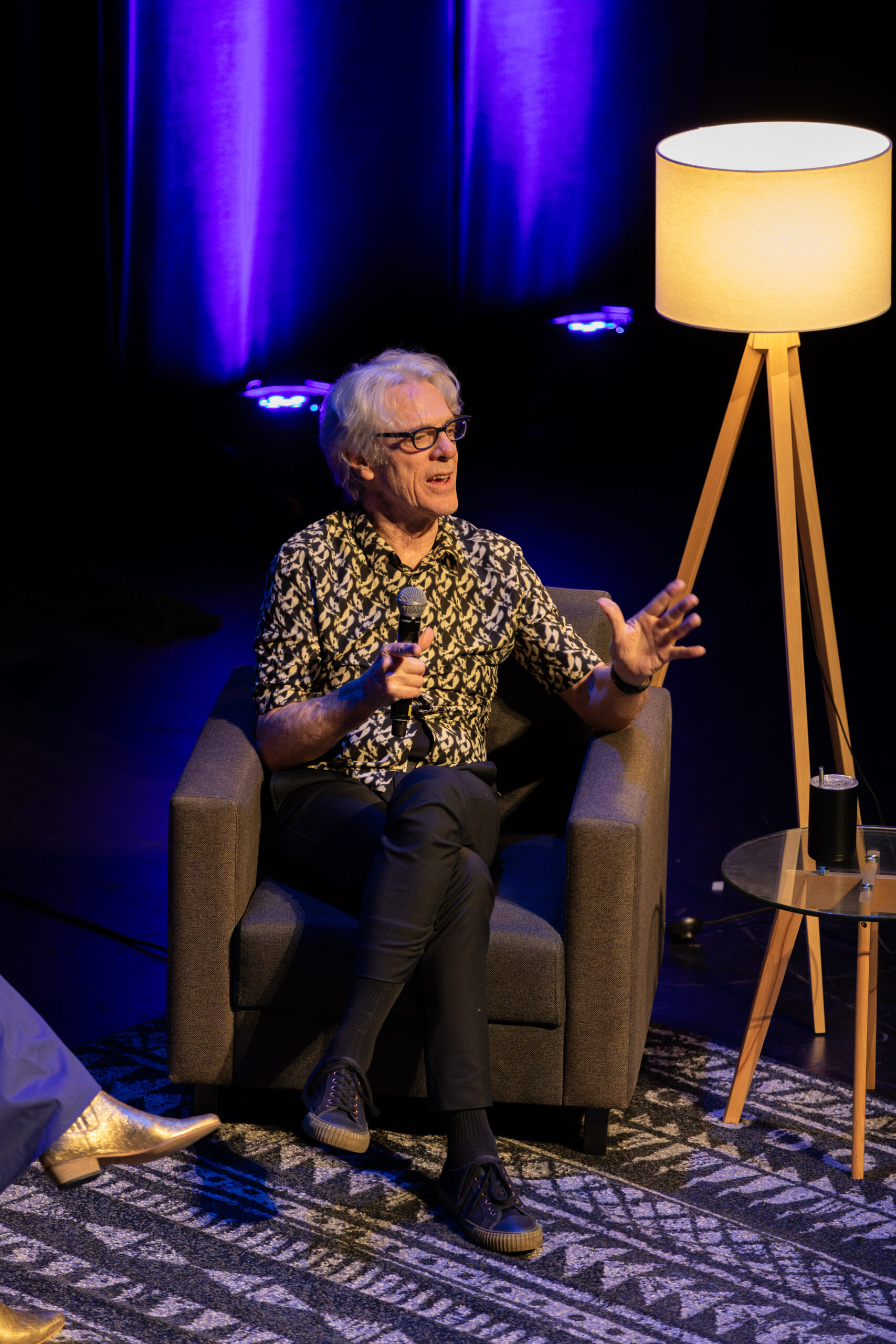
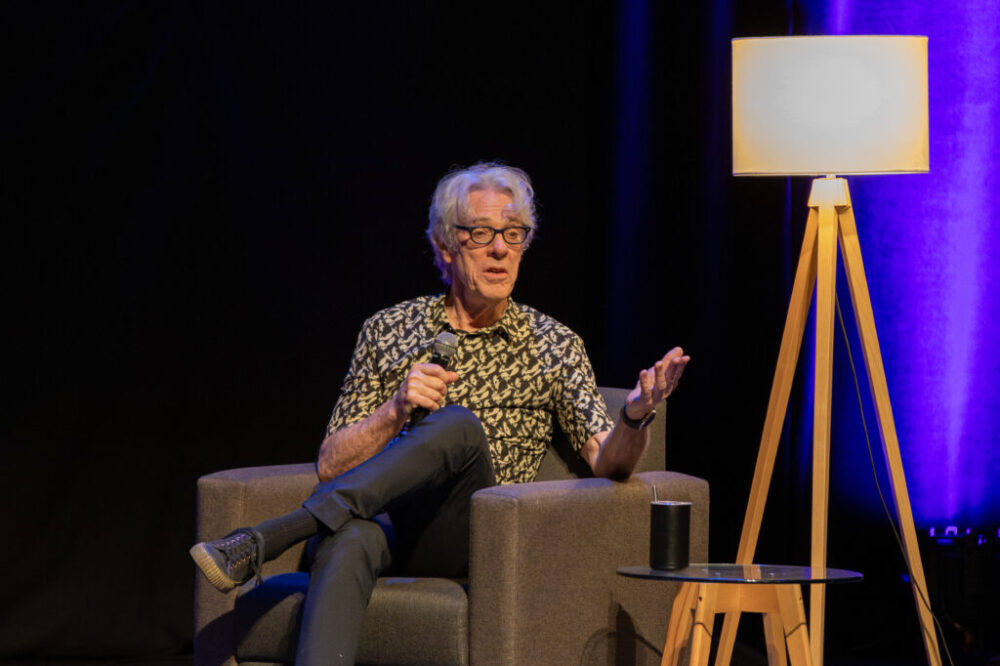
Stewart Copeland – Opera House, Wellington: January 20, 2026 (13th Floor Concert Review)
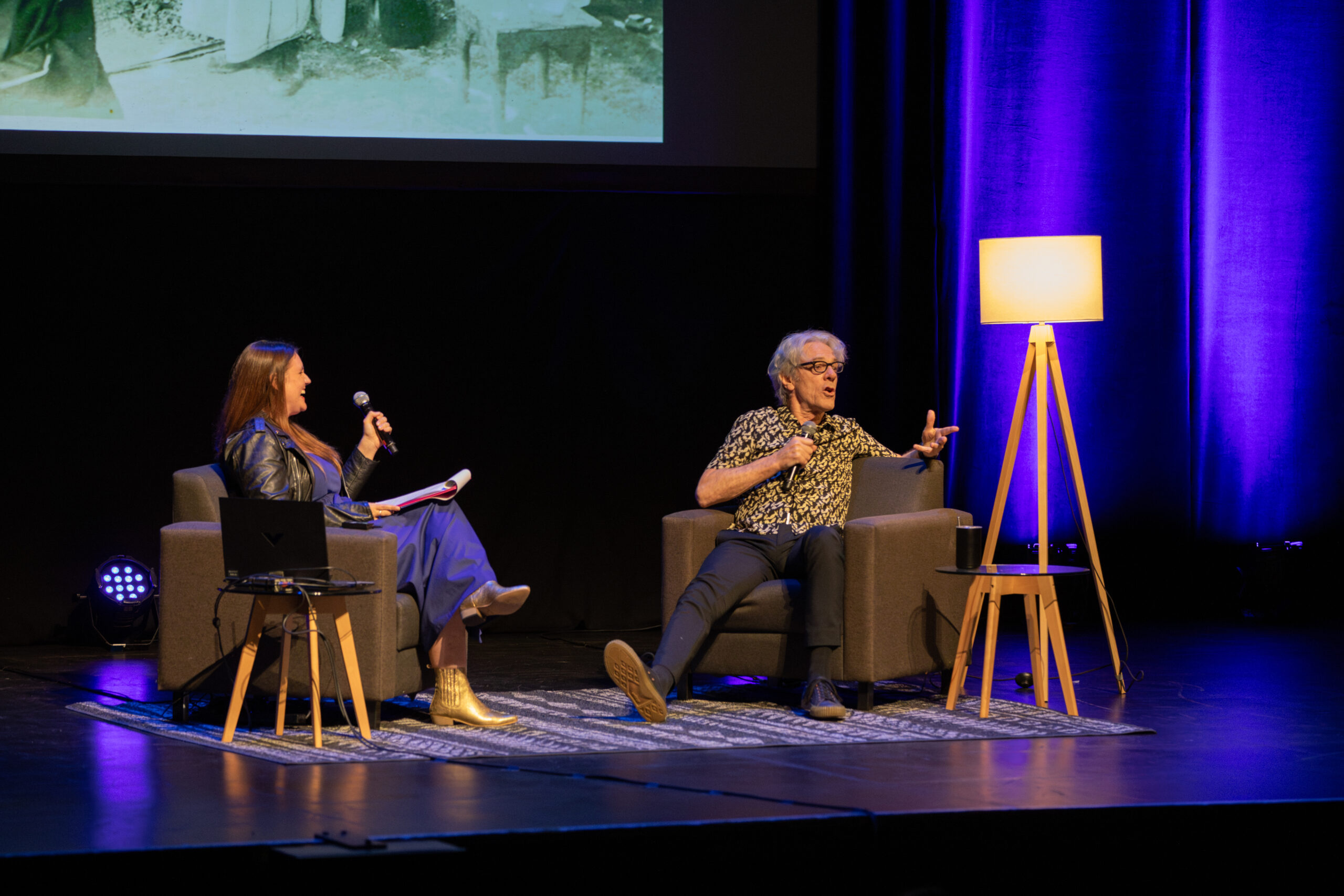
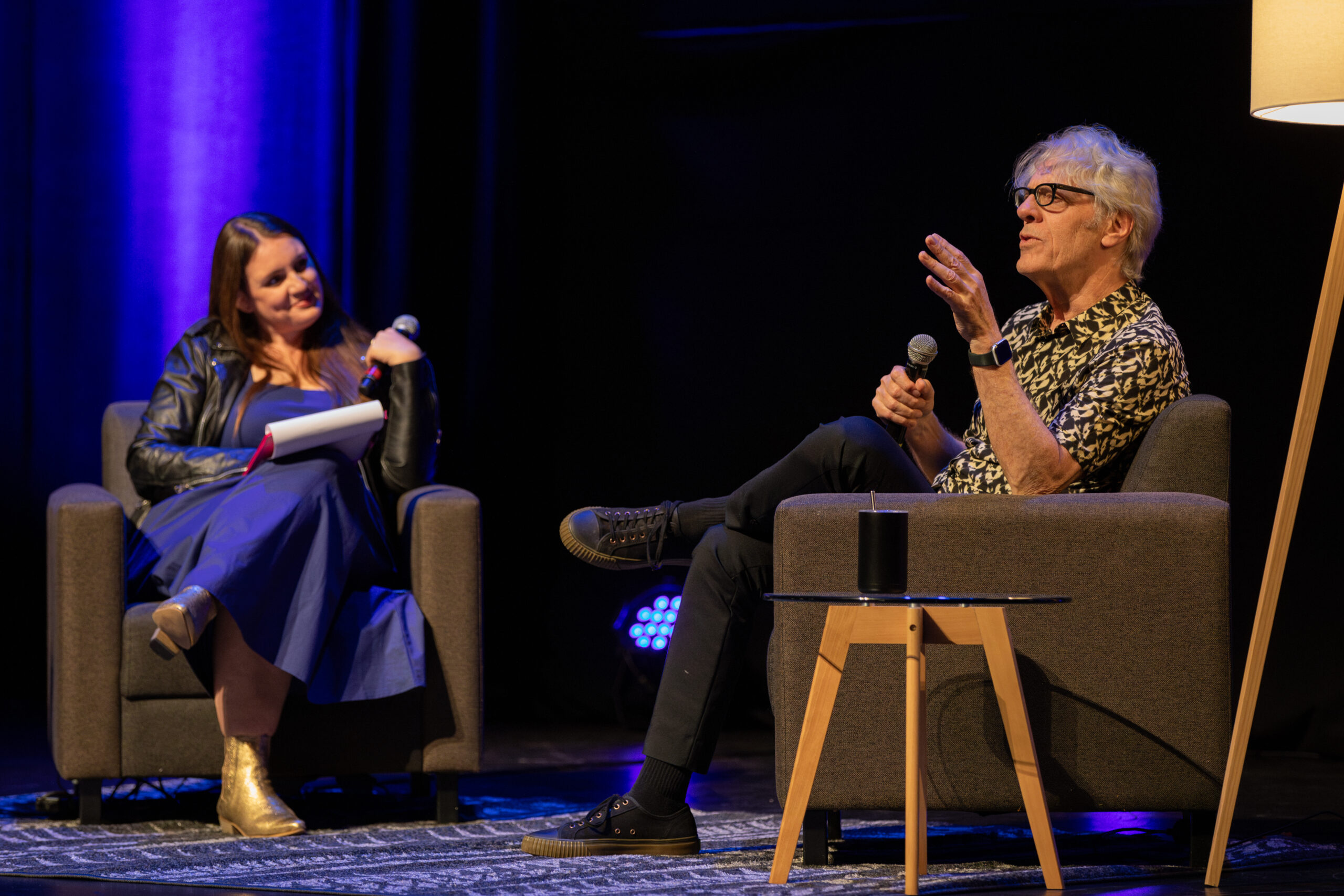
Stewart Copeland brought his Have I Said Too Much? tour to Wellington. The show takes shape as an engaging evening of storytelling and reflection, propelled by sharp wit and a restless intelligence that rarely pauses long enough to settle.
From the outset, Copeland draws the audience into a conversational space where curiosity, momentum, and self-examination set the tone for the night.
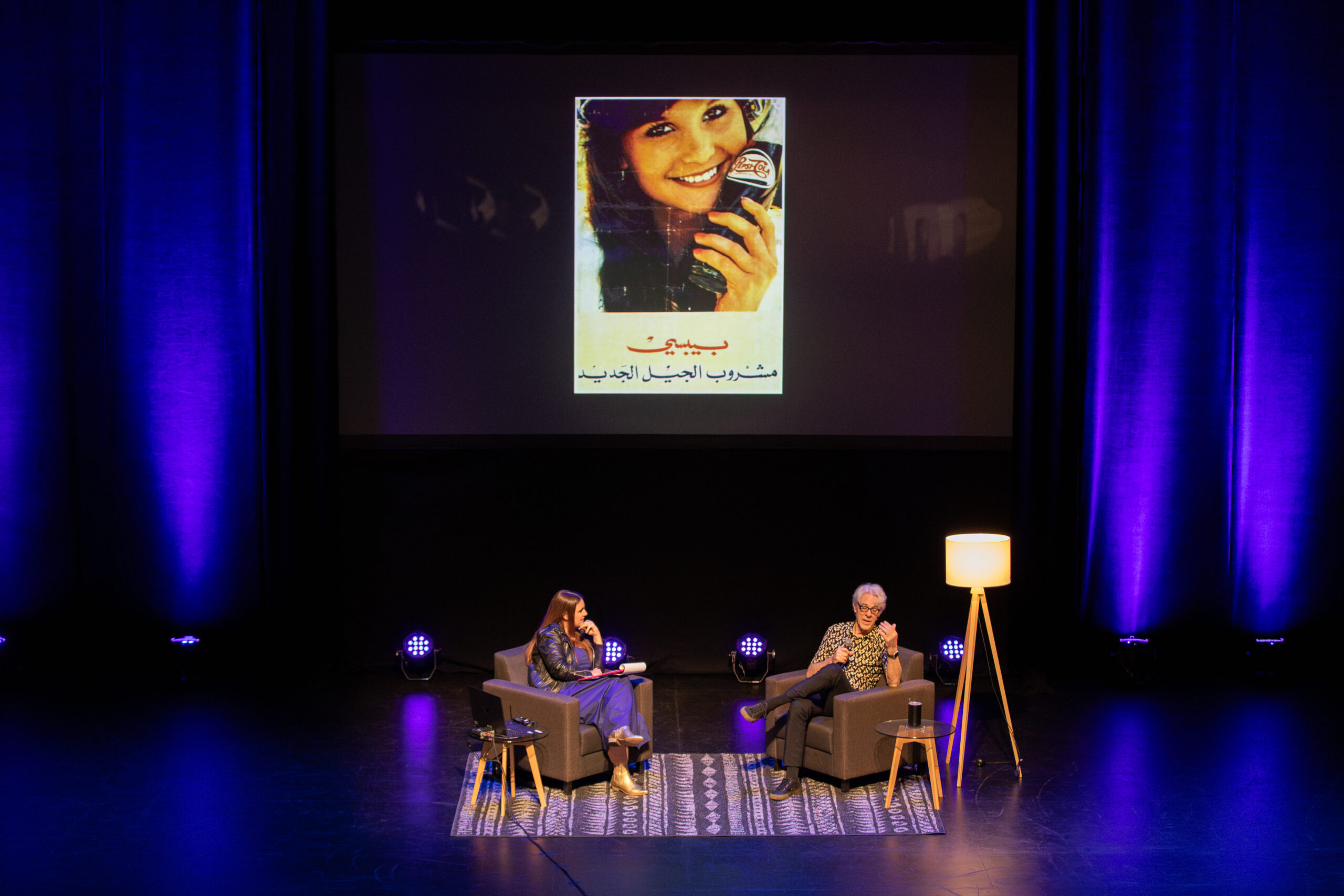
The evening reveals a clear two part arc. The first traces the formation of an identity shaped by movement, instability, and choice. Copeland speaks of his early years as a skinny American kid growing up in Lebanon, part of a life marked early by strain, displacement, and constant change. Music enters not as destiny, but as a practical response to restlessness and circumstance, a means of asserting agency in an unpredictable world. When he later finds himself in London at the dawn of punk, the timing proves decisive. Ready to cut his hair and embrace a more confrontational style, Copeland steps into a moment that rewards urgency, energy, and self belief.
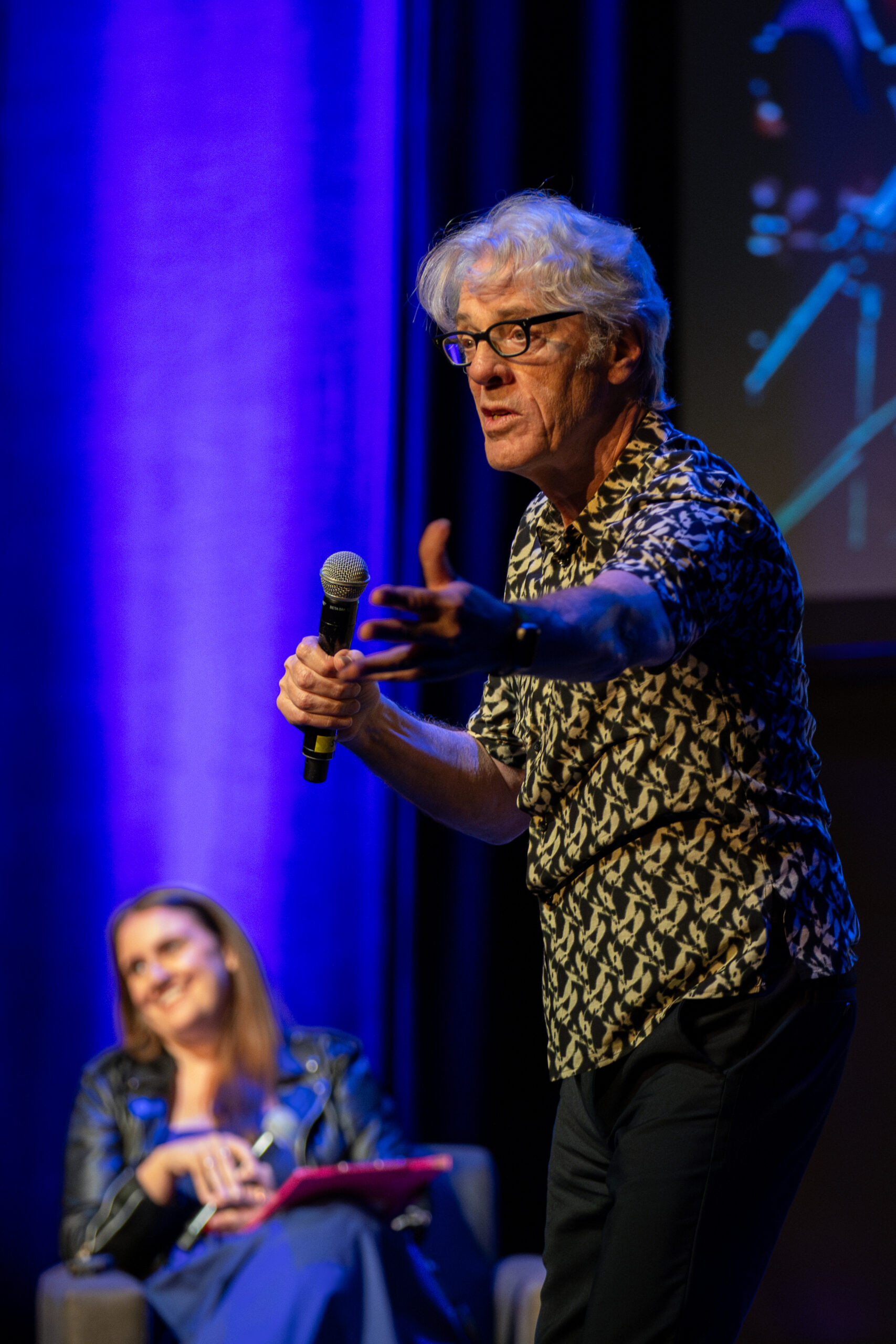
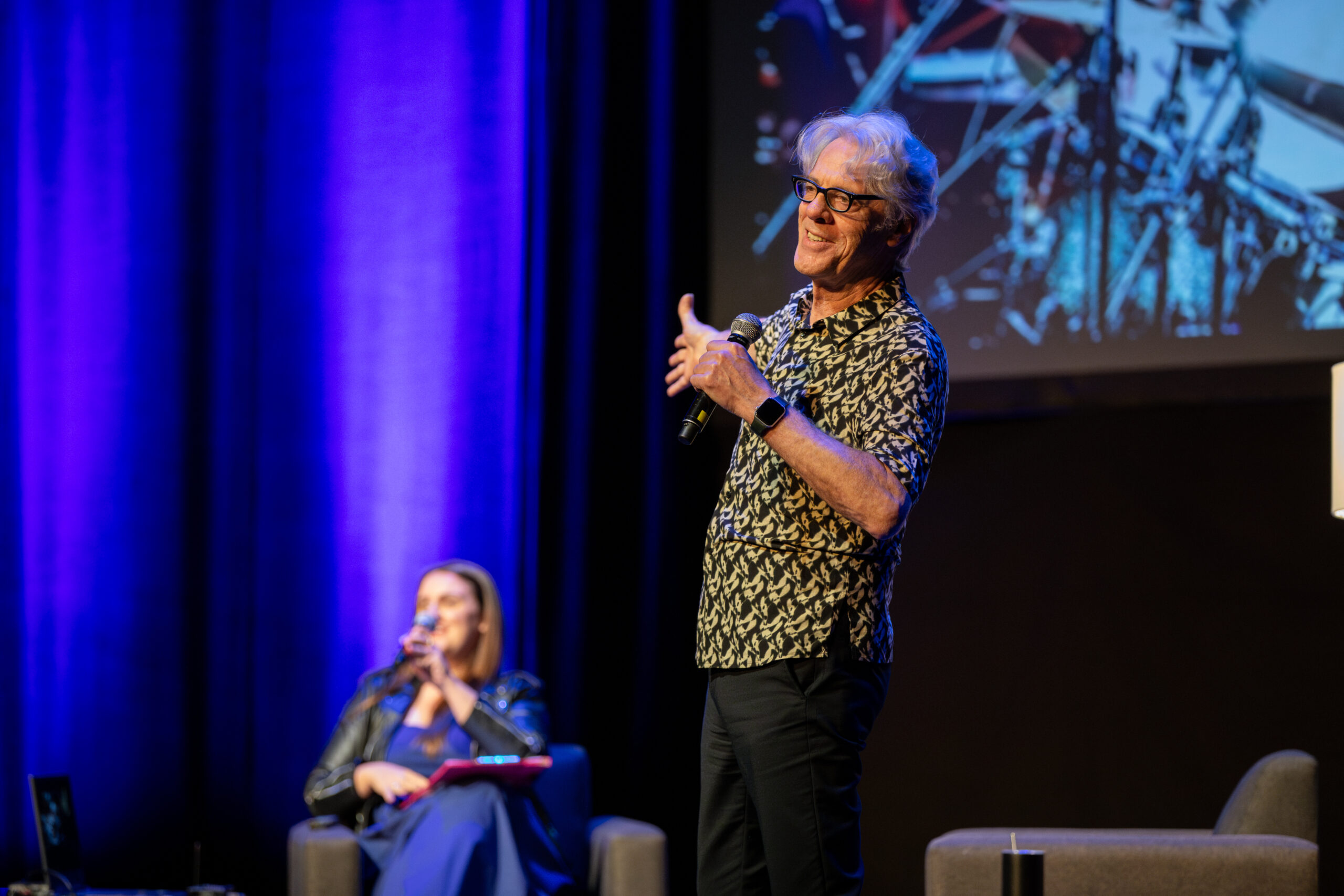
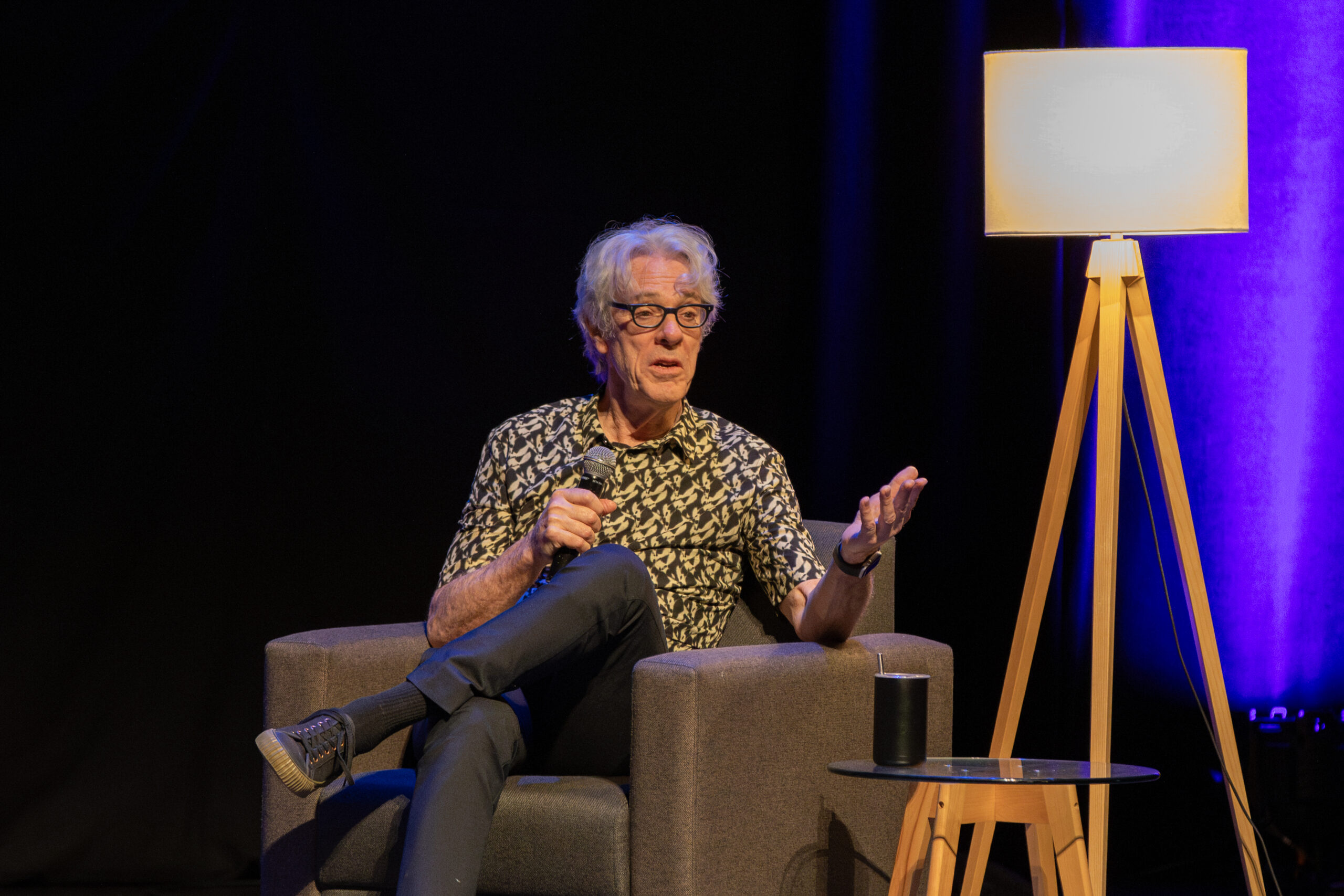
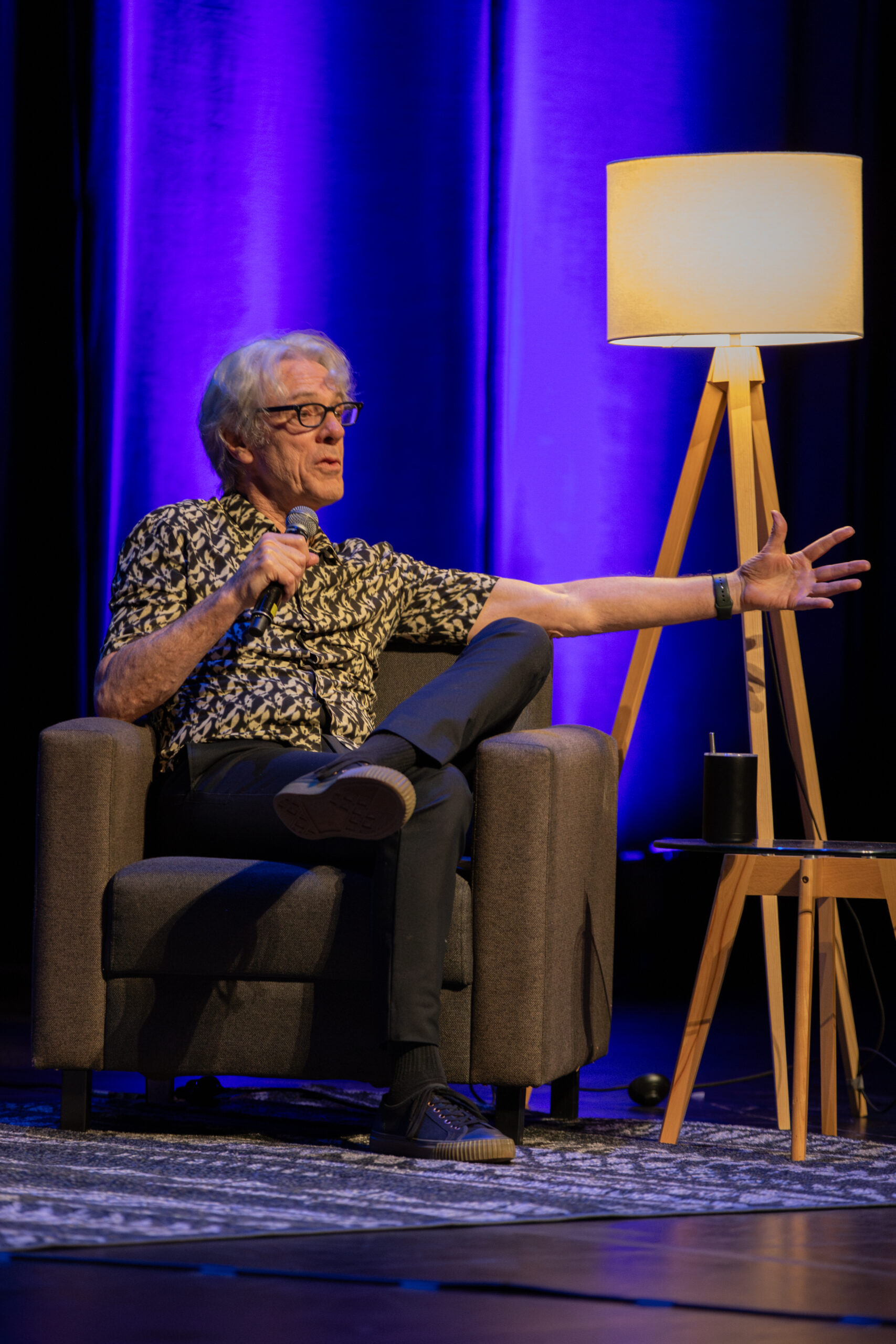
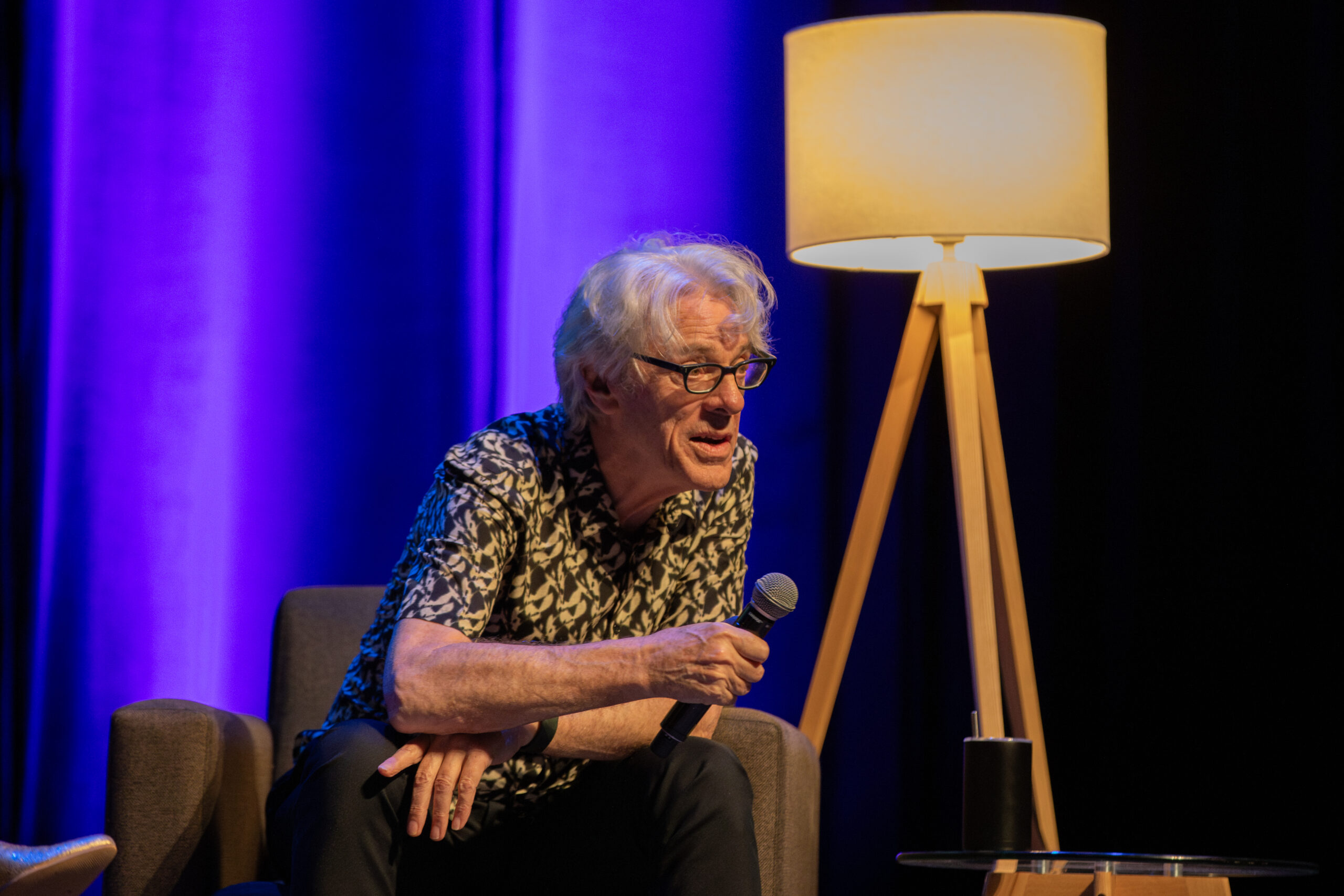
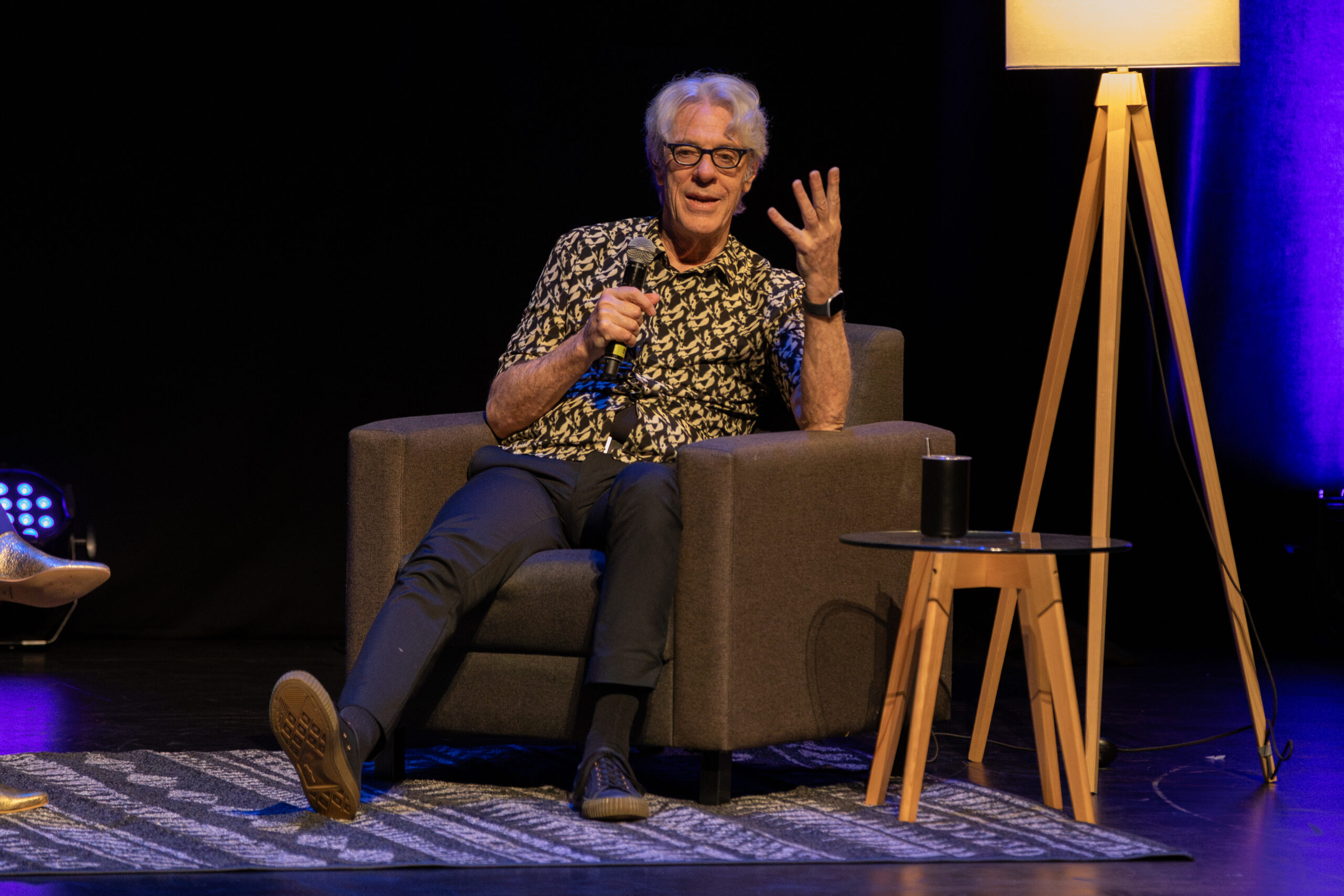
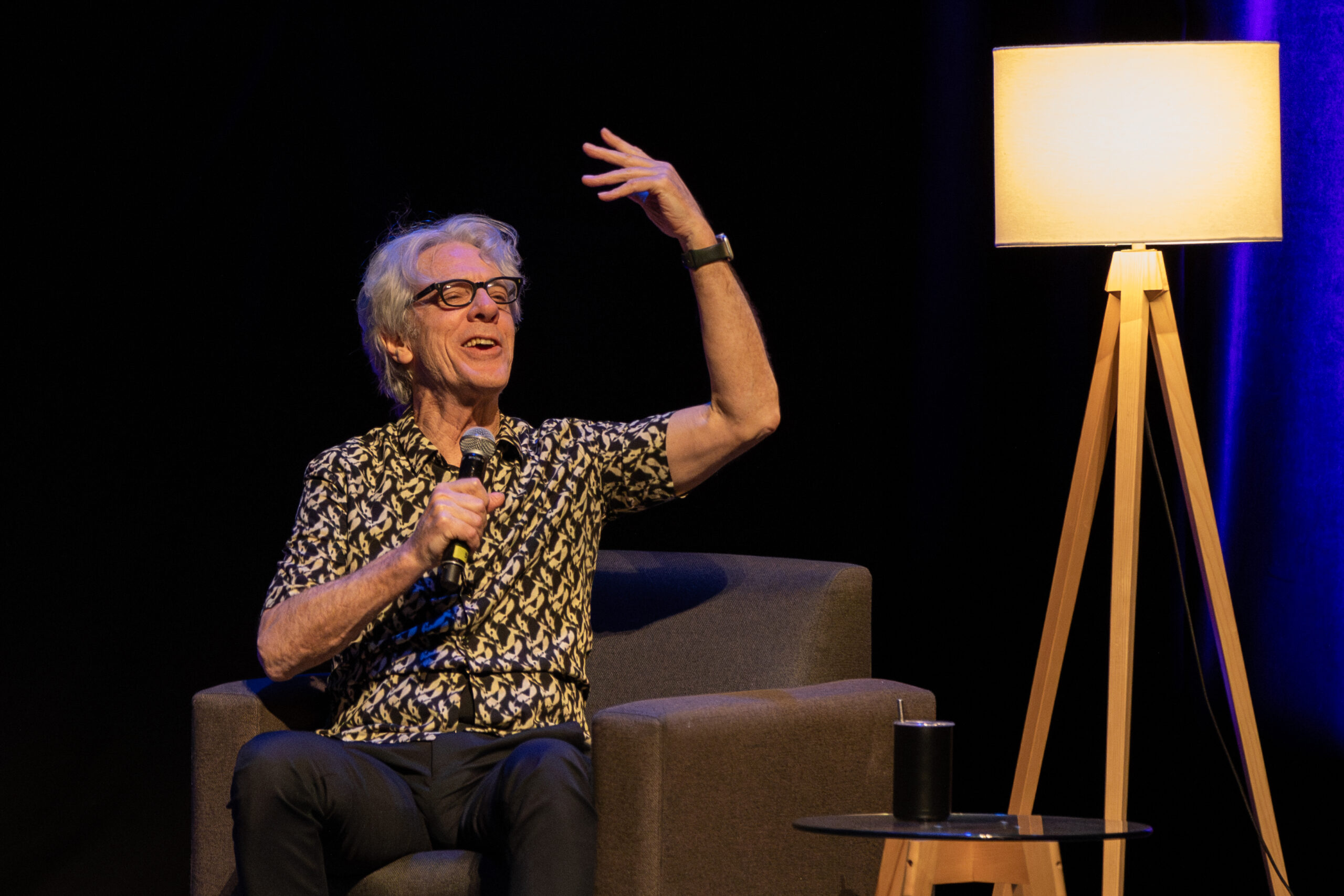
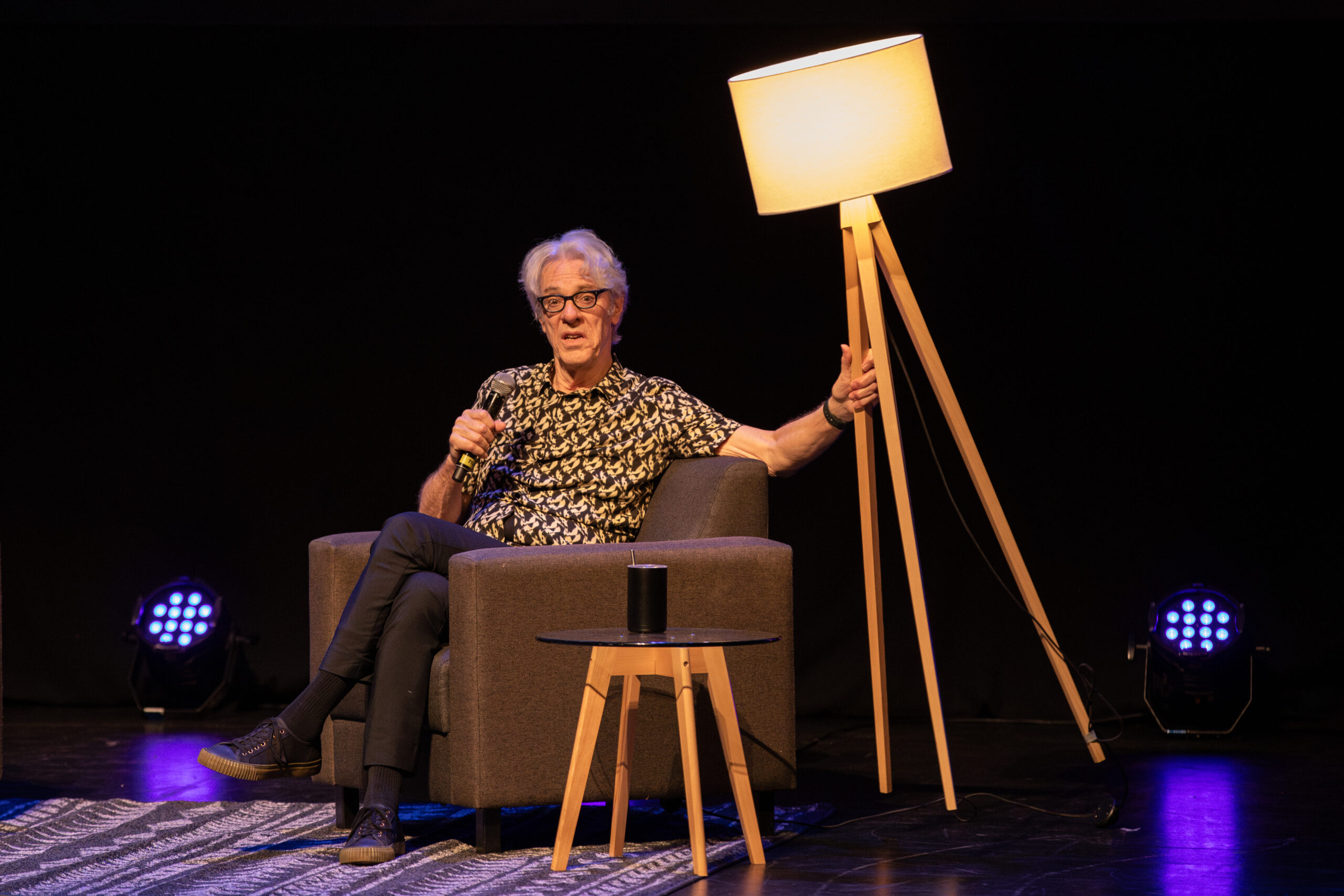
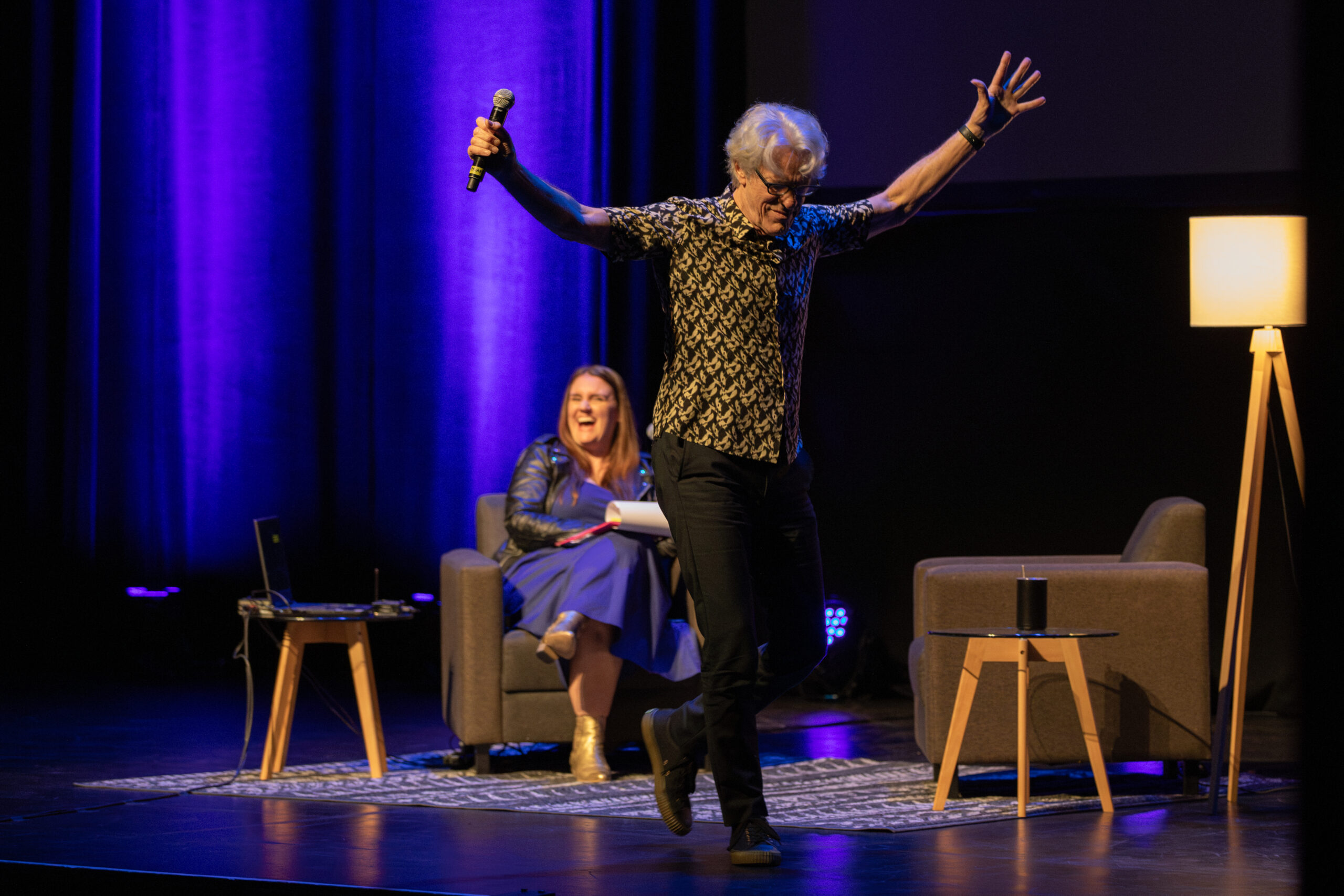
Stewart Copeland is a natural storyteller, funny without labouring the point and candid without flattening complexity. Even without a drum kit, he retains firm control of the rhythm of the room, shaping the evening through timing, emphasis, and forward motion. The same kinetic sensibility that once powered The Police remains central to his presence, keeping the audience alert to each turn of thought.
As the evening progresses, the focus shifts from origin to life after huge popular success. Reflections turn toward what happens when identity must be consciously redefined rather than simply sustained. Copeland’s work beyond the band opens into broader considerations of control, collaboration, and authorship. Music is discussed as a way of shaping narrative and emotion across different forms, with Copeland’s engagement with film and opera emerging as spaces where questions of authority become explicit and the dynamics of power and persuasion are laid bare.
Humour runs throughout, often dry and self aware, but it sits alongside a clear eyed engagement with friction and rupture. Tension is treated as both engine and risk. This is most evident in Copeland’s reflections on intense collaboration, where rivalry, temperament, and unresolved emotion coexist with genuine achievement. His relationship with Sting is handled with candour and respect, allowing the emotional complexity of that partnership to surface while stopping just short of score settling.
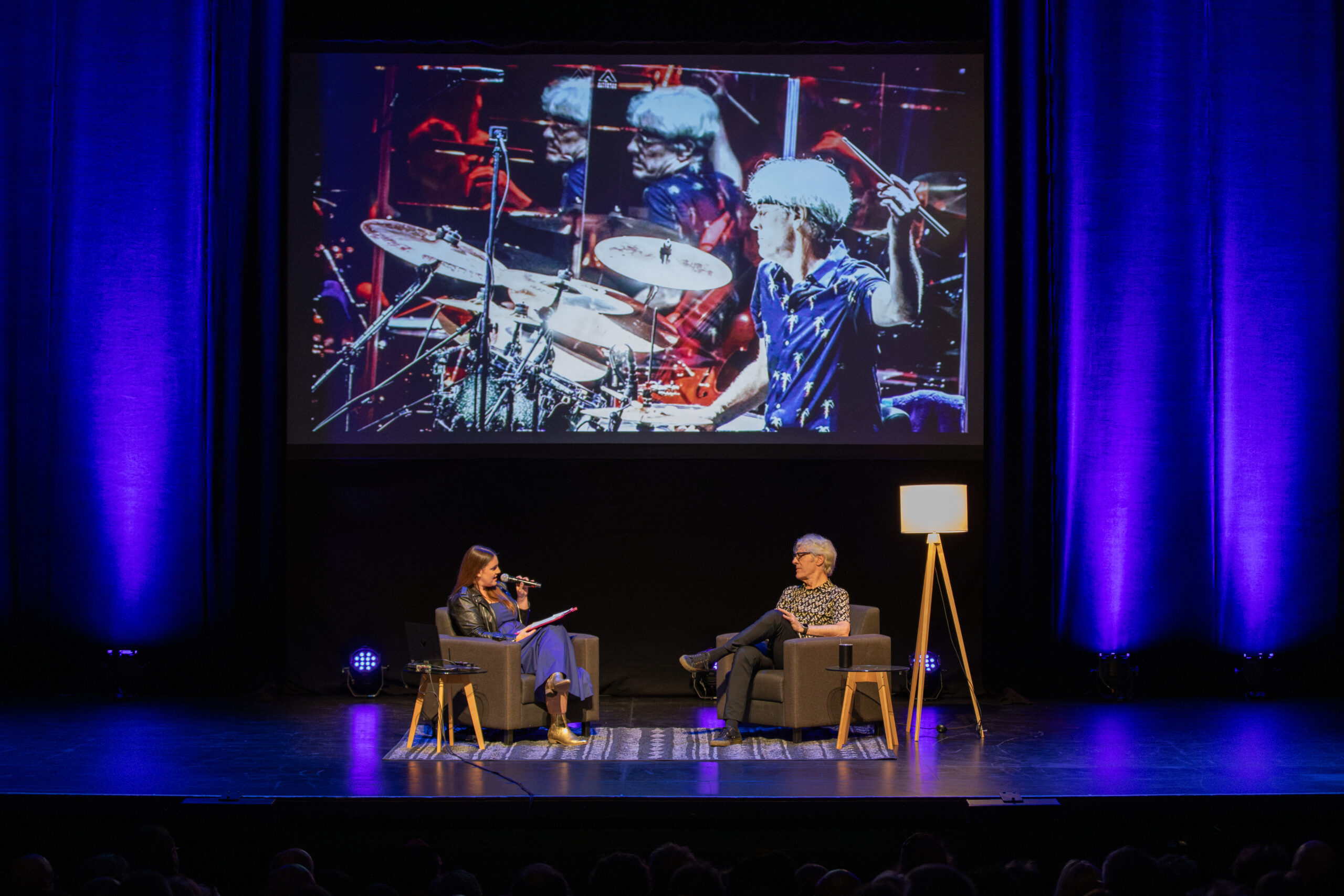
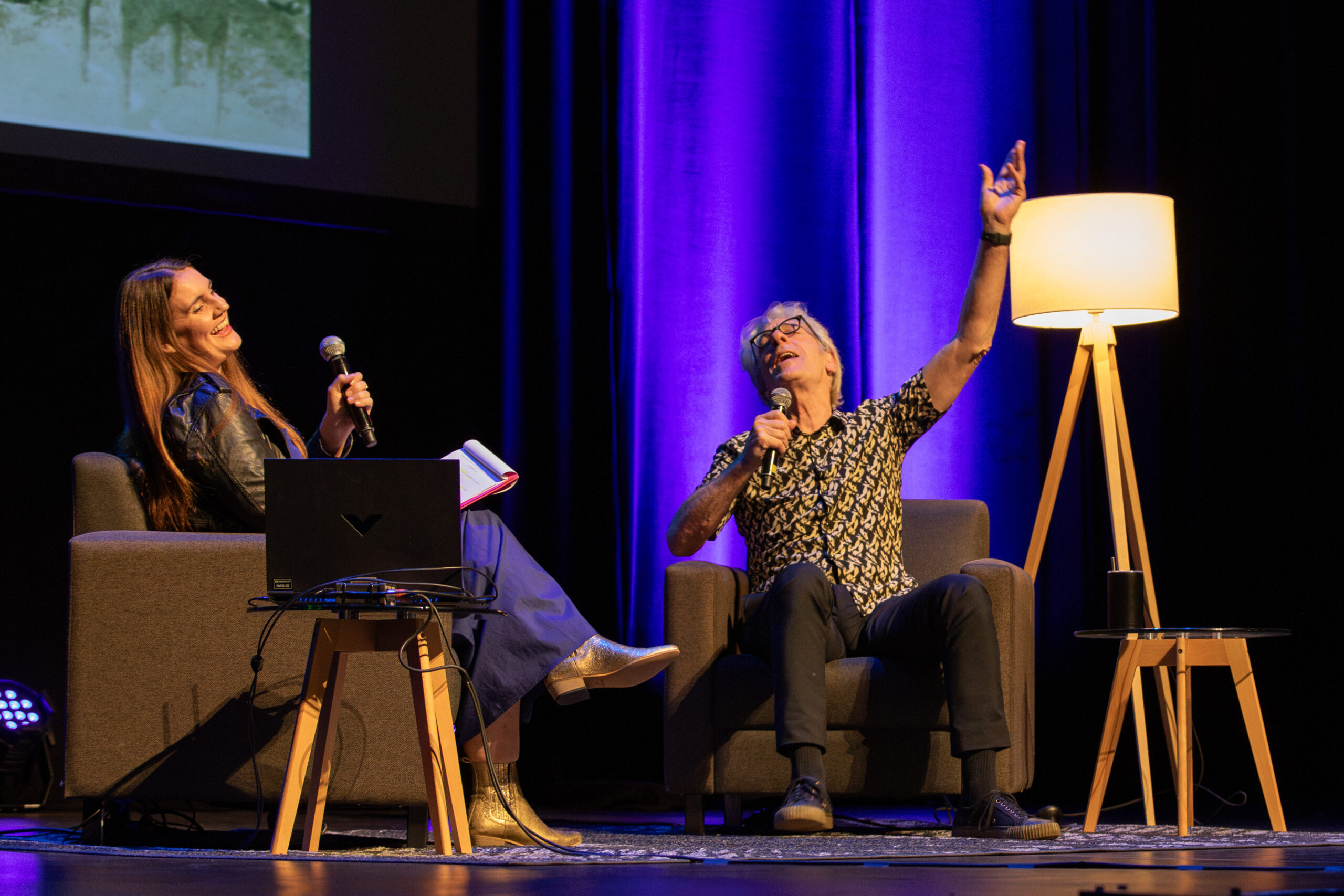
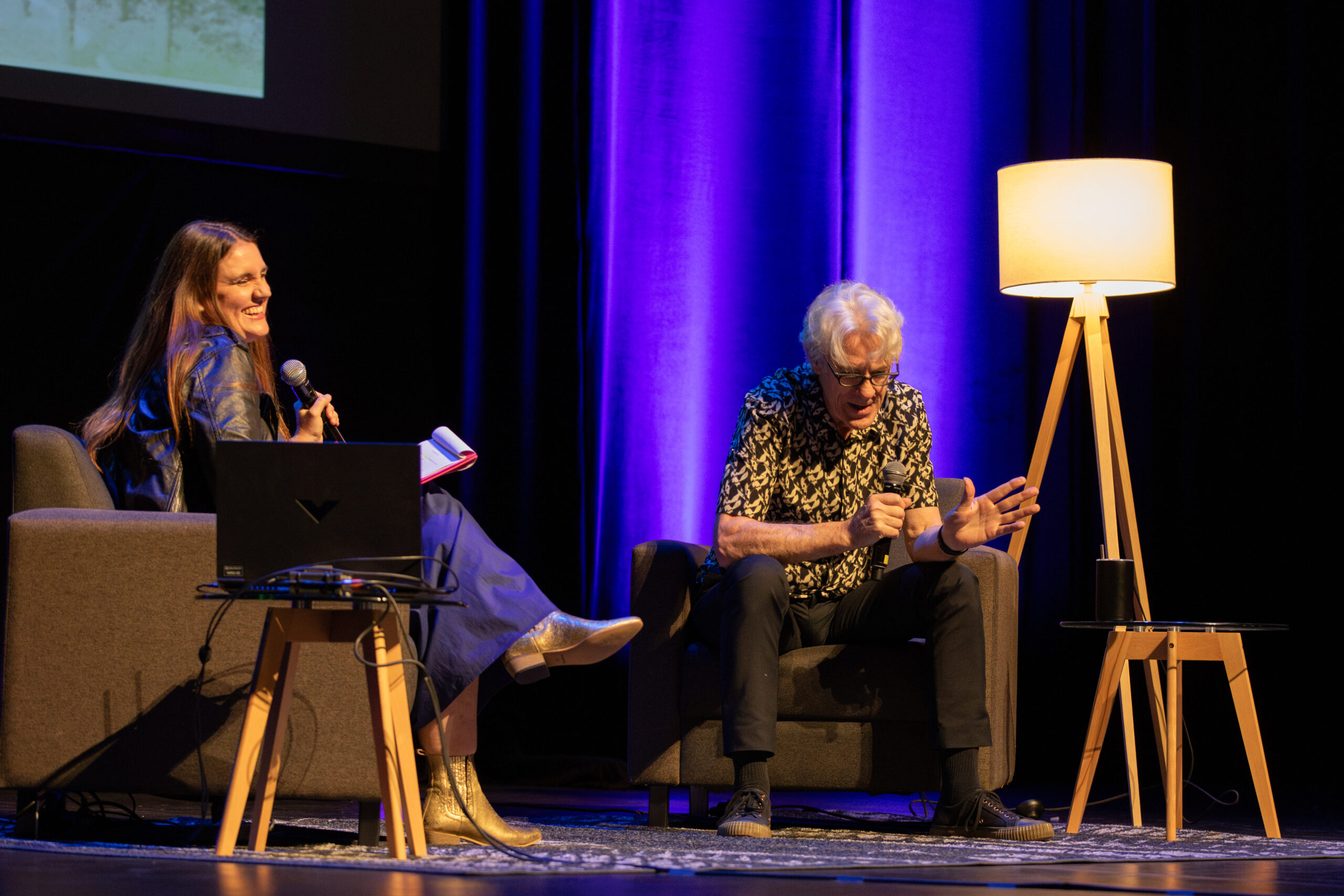
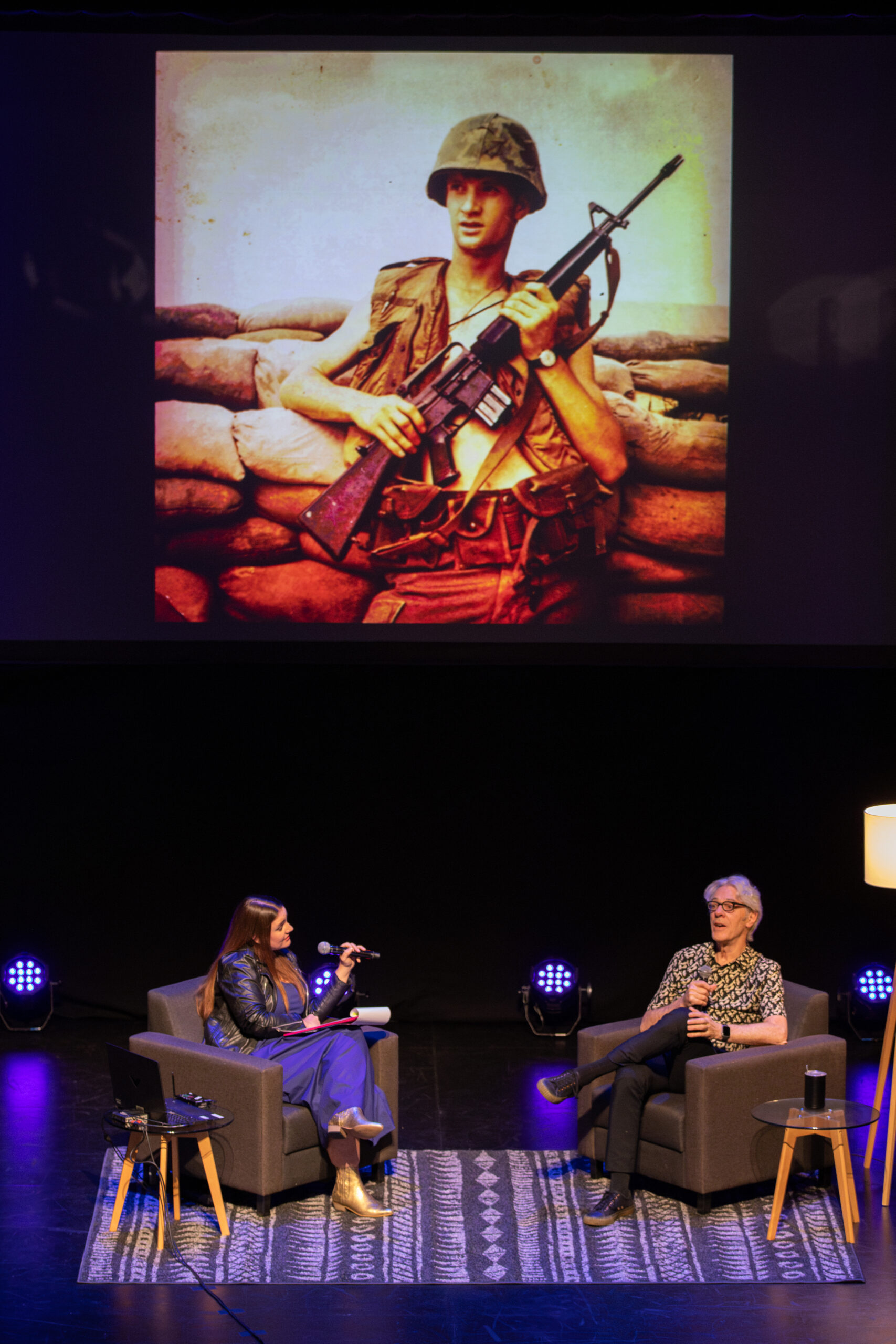
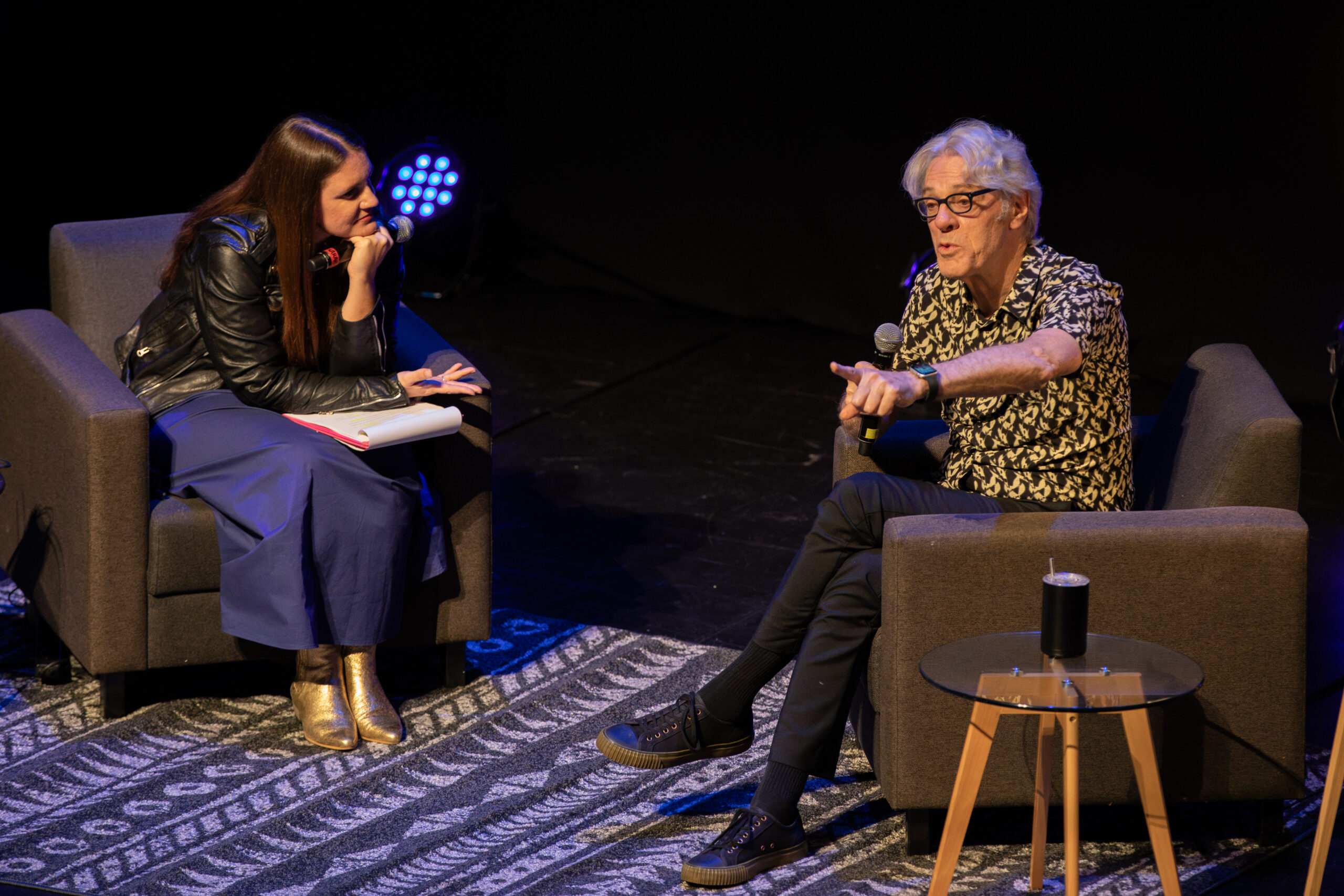
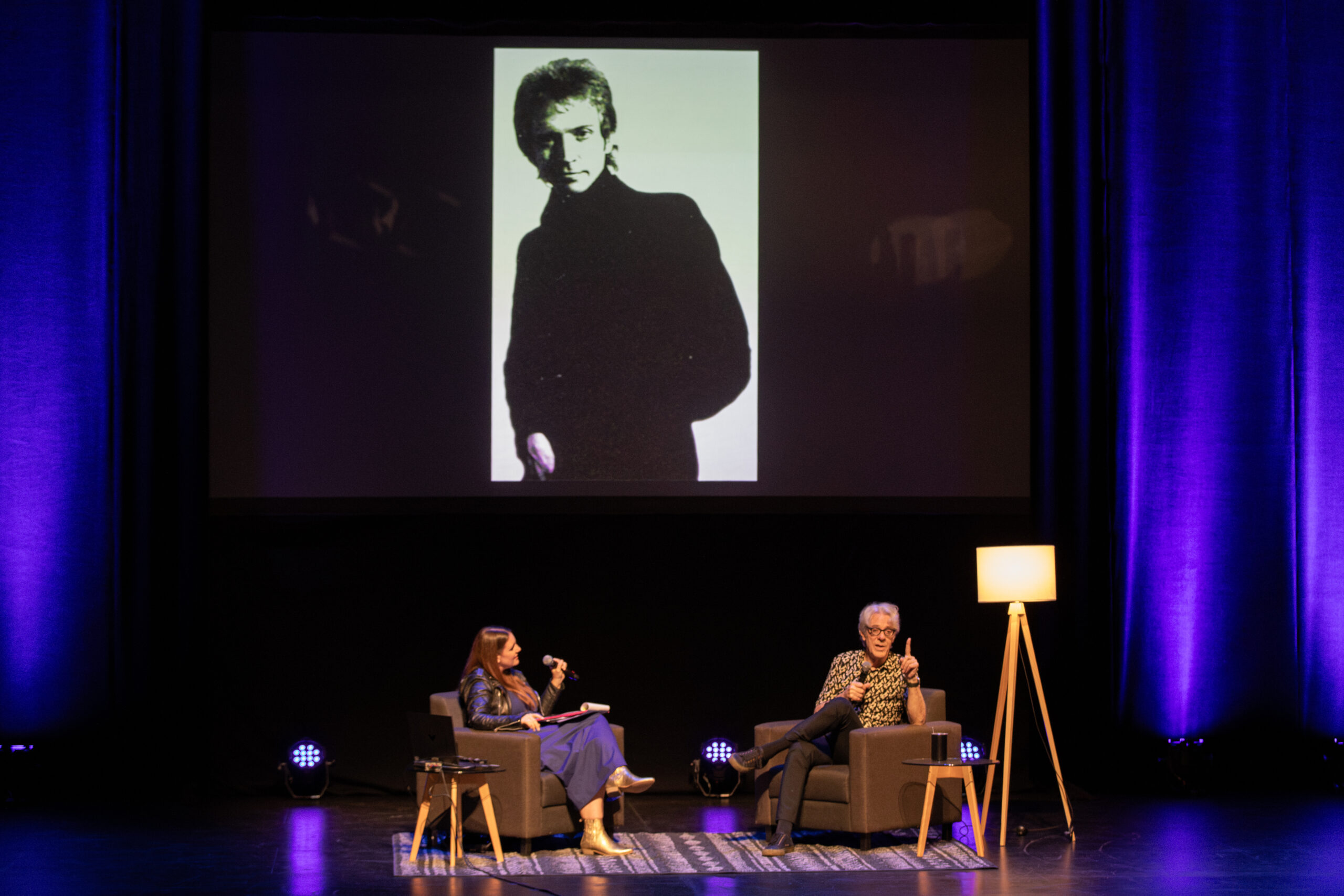
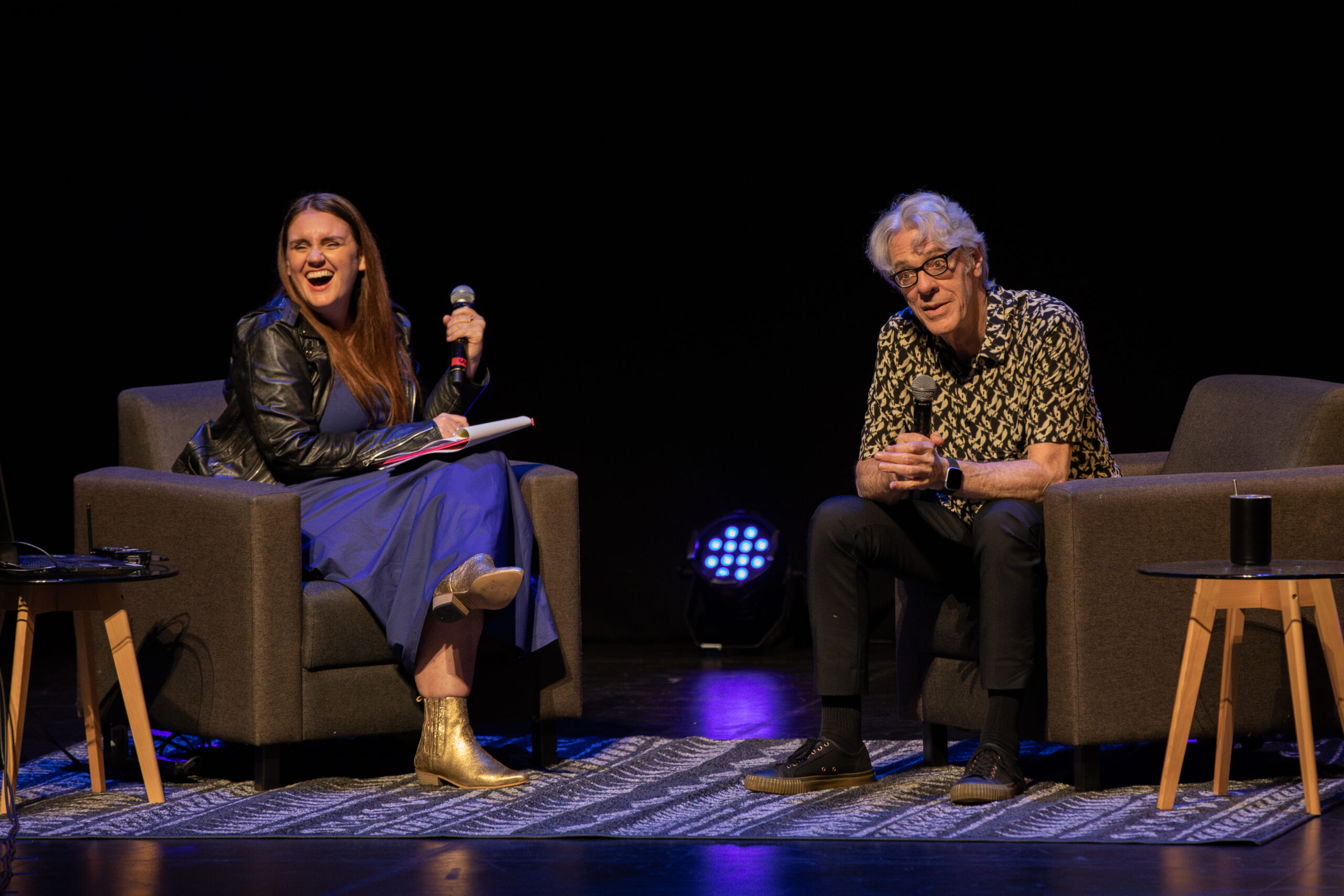
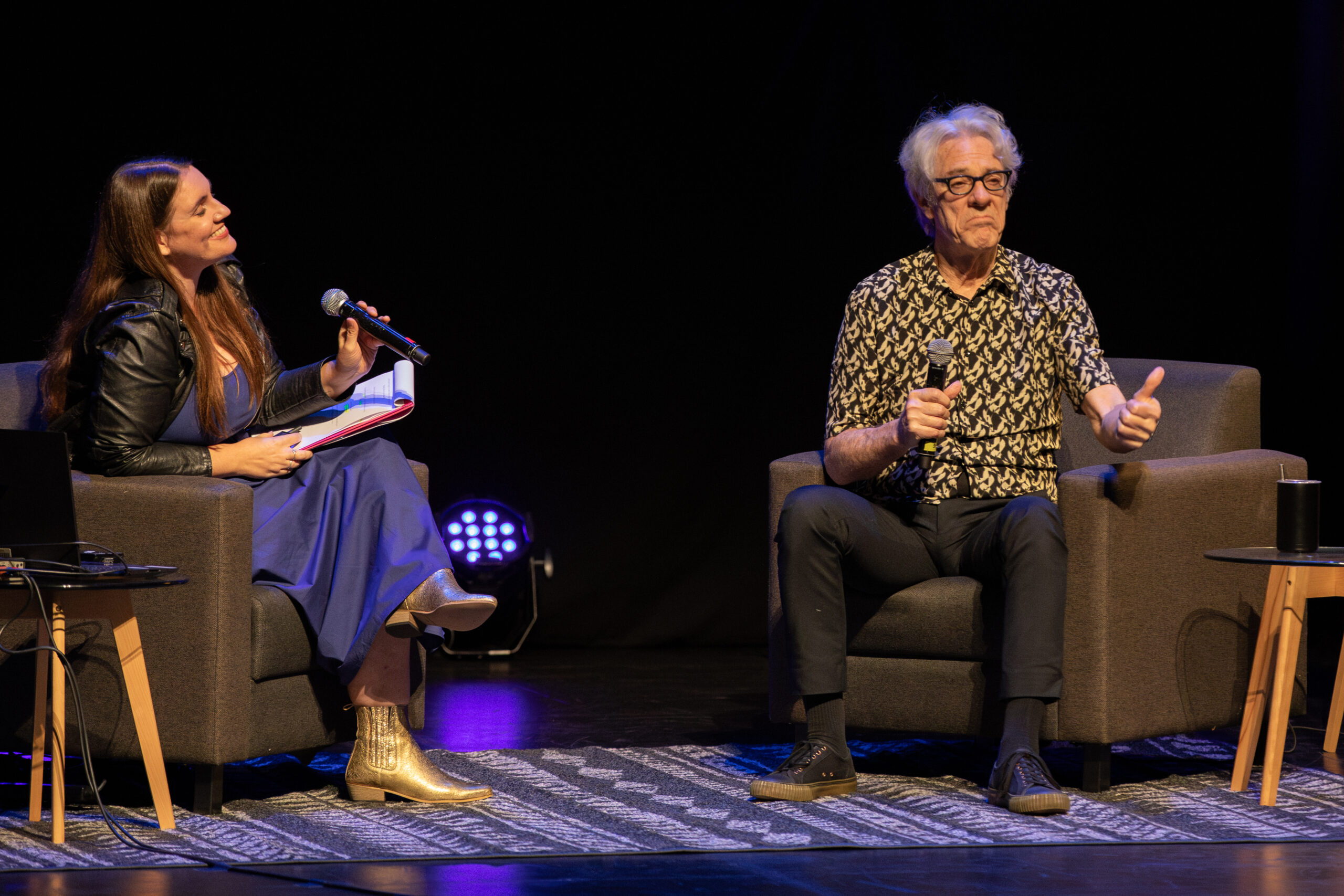
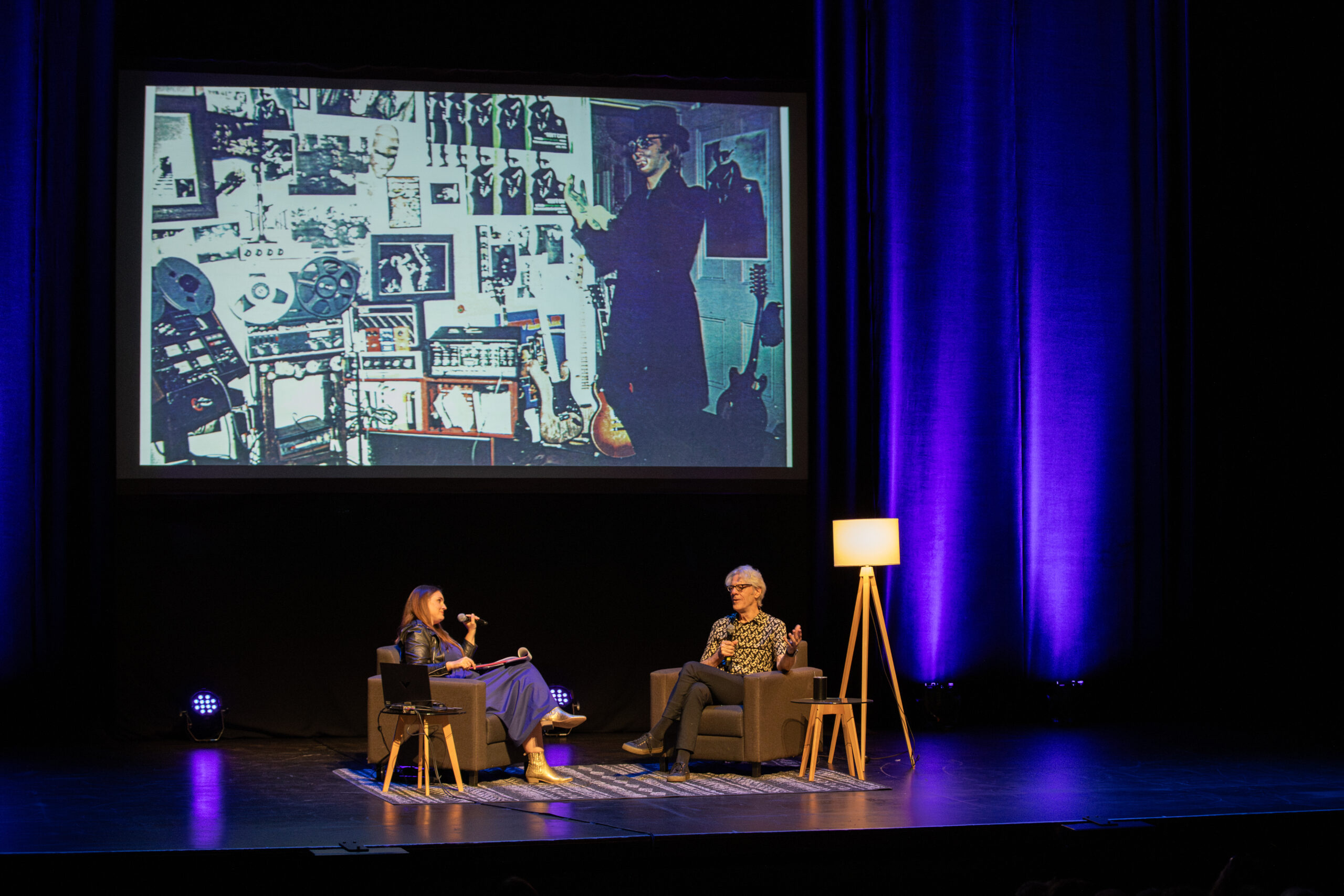
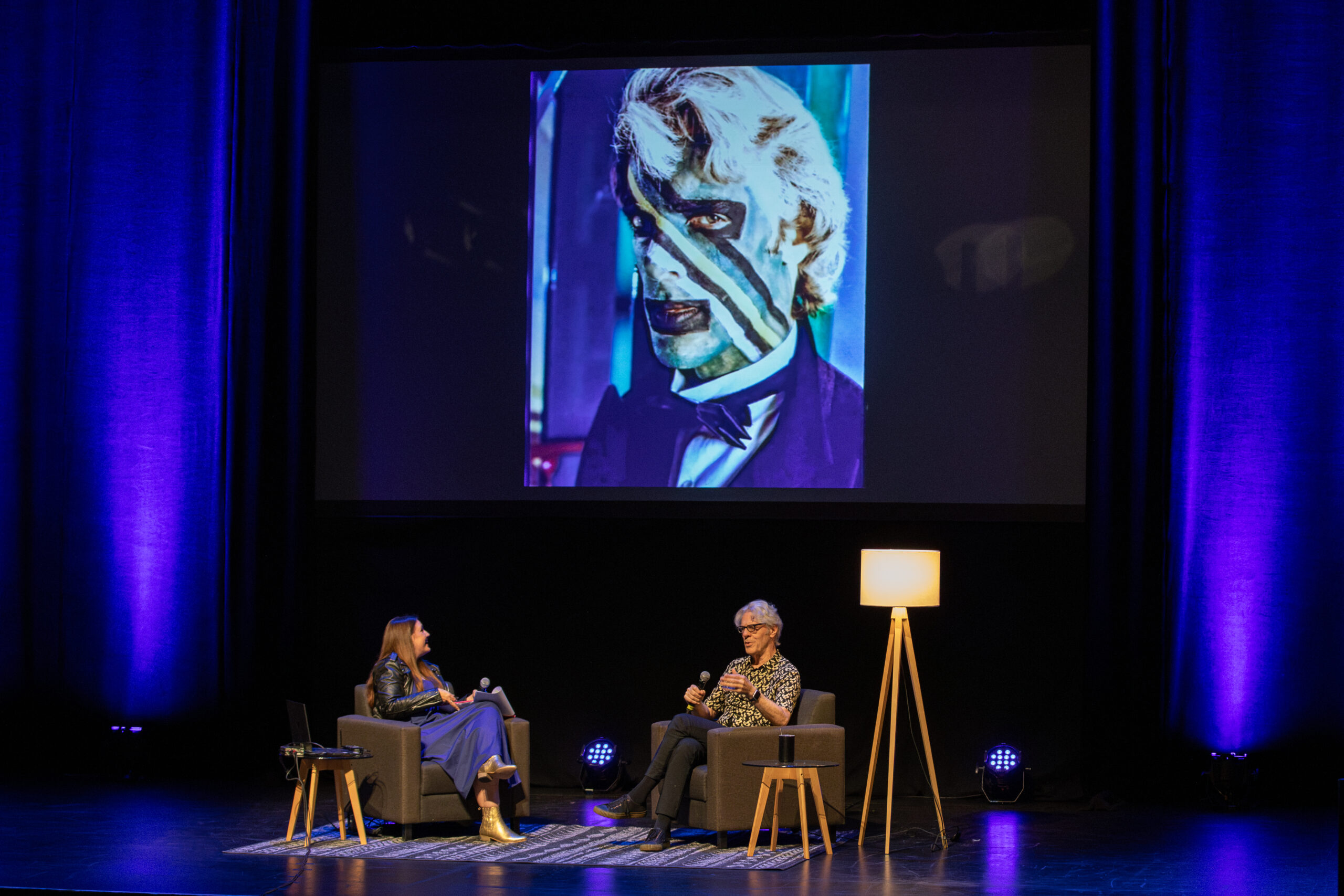
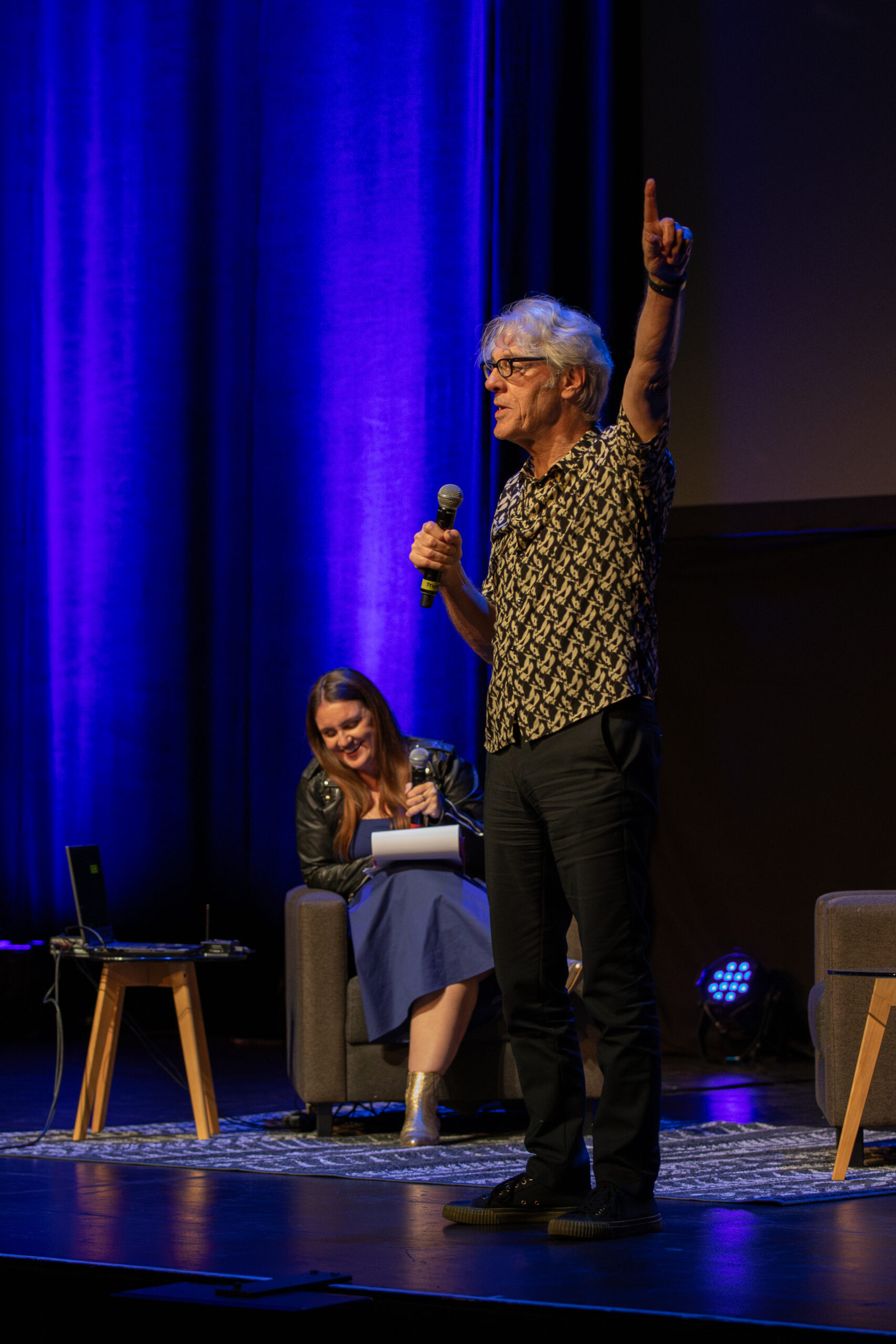
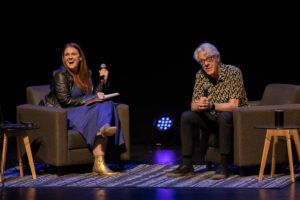
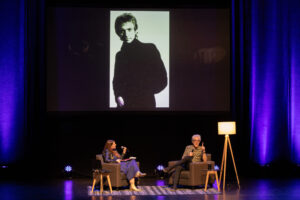
The format supports this openness. Guided by host, broadcaster Sarah Tout, whose calm presence and encouraging smile provide a steady counterpoint to Copeland’s hyperactive energy, and closing with audience questions drawn from an appropriately symbolic drum, the conversation feels responsive and alive. The structure allows ideas to circle back on themselves, reframed rather than resolved, reinforcing the sense of a mind still actively engaged with the unresolved business of his own history.
Familiarity with Copeland’s career adds texture, but it is not essential. Even for those well versed in the mythology of The Police, unexpected corners emerge. Brief appearances by figures such as Kim Philby, Francis Ford Coppola, and Sir George Martin draw the discussion toward questions of identity, loyalty, and self invention. The evening speaks not only to music history, but to the broader challenge of navigating competing roles, convictions, and collaborations over time.
What ultimately stands out is Copeland’s command of narrative. He emerges as a restless maker of music, and as a practiced storyteller, shaping a life of chance and ambition into something vivid and absorbing. The evening succeeds because Copeland understands instinctively how to hold attention, pace revelation, and allow the stories to land.
John Bradbury
Stewart Copeland brings the show to Auckland tonight
Click here for tickets and tour information
Click on any image to view a photo gallery by Stella Gardiner: