
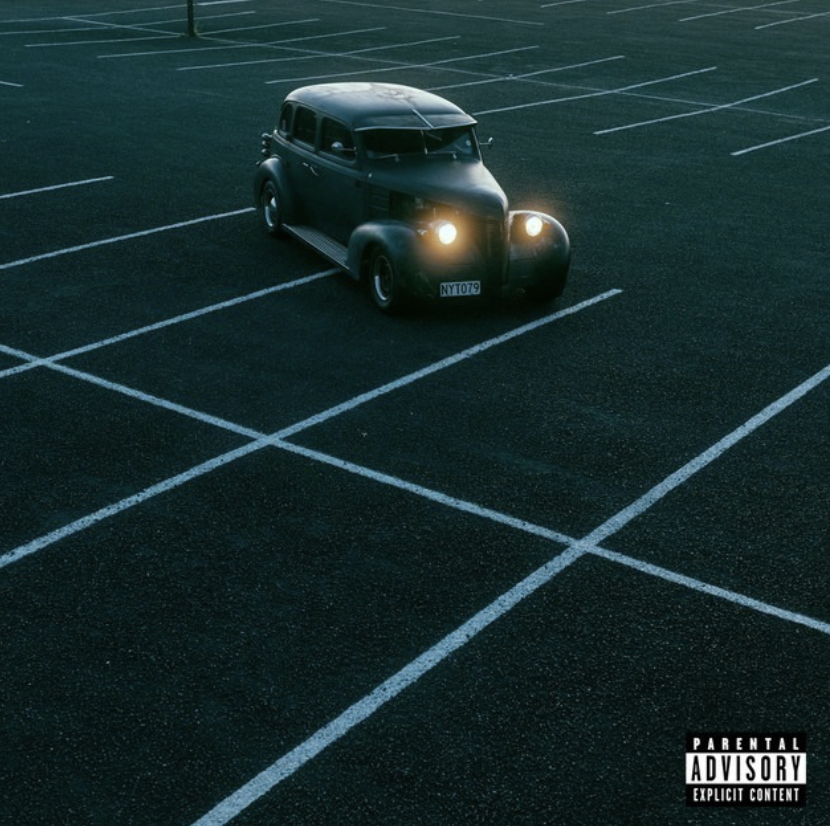
Troy Kingi – Night Lords (AAA) (13th Floor Album Review)
Troy Kingi’s Night Lords opens like a city after midnight, humming with danger, memory and movement.
It quickly establishes itself as a major entry in his 10/10/10 project, in which he set out to create ten albums in ten genres across ten years. With Night Lords, Kingi steps fully into hip hop and R&B, bringing it to life through deep collaboration with Aotearoa’s hip hop community. Featuring MOKOMŌKAI, Diggy Dupé, Mā, SWIDT, Tom Scott, Adam Tukiri, Melodownz, JessB, Rubi Du, Lucky Lance, Tipene, Tyna, Mareko and Rizván, it is an album shaped by many voices but anchored by one vision.
The soundscape is slow, heavy and nocturnal. Bass lines move like headlights across tarmac, drums feel dusty and deliberate, and guitars and keys colour the shadows rather than light them. The album’s instrumental backbone comes from Trey Liu on drums, Marika Hodgson on bass, and Forrest Thorpe together with Leonardo Coghini on keys, with Kingi contributing guitar. The musicians sustain the atmosphere from beginning to end, while a rotating cast of MCs and vocalists shape the stories.
The opening track, Hori on a Hoiho, creates a sense of ritual with slow bass, rattling drums and a high drone as Kingi summons ancestral presence. When MOKOMŌKAI enters with a verse full of muskets, tactics and uprising, and it feels like a gate opening and a warning issued, pressure rising as history draws close.

The pulse sharpens with Afters, as guitars push the rhythm forward, explosive drum accents crack the darkness and voices echo around the call to “wake up”. A drop into tense quiet before the rush returns captures the restlessness of people who cannot sit still, even when direction is unclear.
On Yammie Blue, Diggy Dupé brings a blend of thrill seeking, vulnerability and confession over an unsettling guitar tone and slow groove. The lyrics are full of vivid detail, describing speed, fear and freedom. “Every time you are riding on her, you are ready to risk it all” draws a portrait of someone living at the edge of their impulses, half in control and half chasing escape.
Elsewhere, the focus widens. No Heaven on Earth uses light drumming, a gradual swell and urgent vocals to reflect on violence, survival, faith and loss. Lines such as “Year after year we shed blood, sweat, tear” deepen the album’s moral terrain.
SWIDT bring tight energy to Isn’t How I Remember, where hissing textures and circling guitar leave space for quick, precise flow. The standout line “I feel rich in spirit but I am shackled to poverty” lands with confidence, frustration and humour, and gives the track unmistakable local character.
Emotional weight returns on Cold War, with Tom Scott and Adam Tukiri framing the conflict beneath a relationship’s breakdown. Built on a slow beat and circling bass, the track carries the weary honesty of the verse. “Shots fired, cold blood, no remorse, cannot keep doing this anymore” gives the song its emotional centre.
C the Sun brings disorientation to the forefront. Drum and bass patterns shift under rapid delivery, carrying the expression of exhaustion and self-awareness. “Oh it’s hard to see the sunshine, with closed eyes in a closed mind” captures energy draining away like the track’s almost disappearing bass line.
The album’s breathing space comes through Sudden Dip, where repeated phrases form a steadying mantra, a reminder of the small joys and simple balances that keep people upright. Then JessB and Rubi Du give voice to resilience and resistance on River Don’t Change the Flow. The lyrics turn the day to day in “Some people feel the rain while the others getting wet, all they do is complain” into broader commentary on colonisation. “White lies misinforming us and poisoning our minds” deepens the point.
In the final ten minutes of the album, Much Too Late and the hidden tracks Money and Damned turn heartbreak into wider critique. The shift into Money is especially sharp, the repeated warning “Money won’t save you” cutting straight to the core. Damned closes the album with reflections on sovereignty, identity and resistance; urging us to “Choose a side between truth and lies.”
The achievement of Night Lords lies in how unified it feels. Fourteen artists move through the same late night world without breaking the spell. The record blends personal stories, political reflections, inherited memory and lived struggle. It is a hip hop album built with respect for the genre and the Aotearoa community that sustains it. Night Lords marks a point in the 10/10/10 project where local collaboration defines the work, and it stands as one of the most crucial albums of the series. All that remains now is the finale.
John Bradbury
Night Lords is out on AAA Records
Click here to watch the 13th Floor MusicTalk Interview with Troy Kingi